
Trees
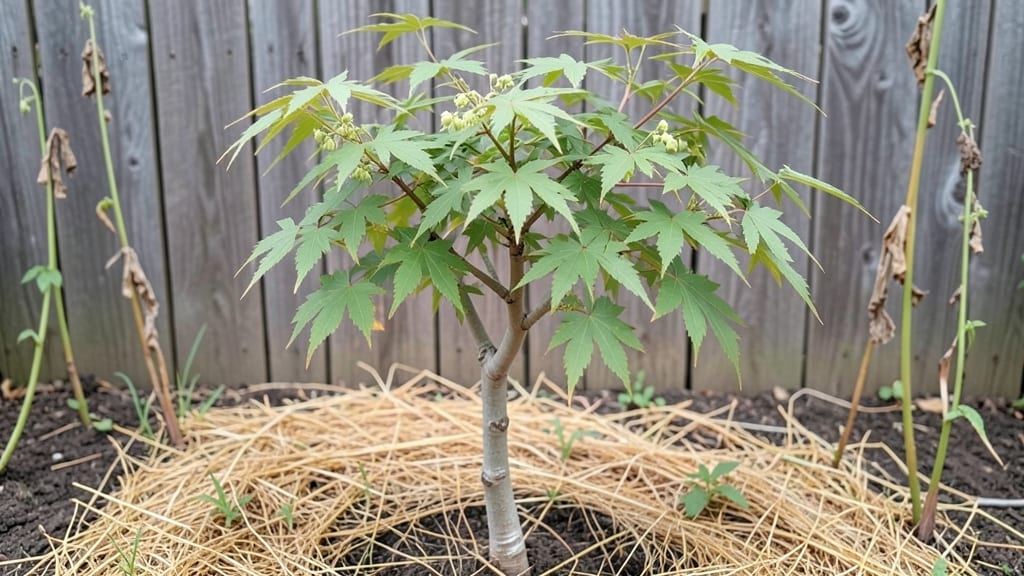
When and how to prune Japanese flowering maples for maximum color impact
Pruning your Japanese flowering maple isn’t just about shaping—it’s about unlocking its full color potential. These trees produce their most vibrant foliage when pruned at the right time, especially for red, purple, or orange varieties.
The key? Understanding how seasonal timing affects color development and growth patterns. Late winter or early spring pruning triggers new growth that will burst with intense hues by fall.
I’ve learned through years of pruning these delicate trees that timing matters more than technique. Cut too early, and you risk exposing brown, woody stems that ruin the aesthetic. Prune too late, and you limit the tree’s ability to develop vibrant new leaves for the next season.
Let’s dive into the science-backed approach to maximize your maple’s year-round color impact.
Step-by-Step Pruning Guide for Japanese Flowering Maples
-
Step 1: Choose the Right Season
Late winter (just before buds swell) or early spring (March-April) is ideal for color-enhancing pruning. Avoid pruning in fall or winter when the tree is dormant. -
Step 2: Gather the Right Tools
Use sharp, clean pruning shears for small branches and bypass pruners for thicker stems. Disinfect tools with rubbing alcohol to prevent disease spread. -
Step 3: Remove Dead or Weak Wood
Start by cutting out dead, diseased, or crossing branches. These compete with healthy growth for nutrients and dilute foliage color. -
Step 4: Thin the Canopy Strategically
Focus on inner branches that block light. Remove 1/3 of the oldest growth to encourage new, vibrant foliage and improve air circulation. -
Step 5: Shape for Color Impact
For red varieties, prune to open the center and enhance foliage density. For purple or orange types, create layered tiers to showcase color depth. -
Step 6: Make Clean Cuts
Cut at a 45-degree angle, just above a bud or branch collar. Avoid leaving stubs, which invite disease and reduce color vibrancy. -
Step 7: Seal and Monitor
Apply pruning sealant to cuts larger than 1/2 inch to prevent moisture loss. Water deeply after pruning to support new growth.
🌿 Pro Tip: For maximum fall color, prune in late winter to allow 6-8 weeks of new growth before autumn.
Timing your pruning to late winter or early spring ensures your Japanese flowering maple develops new, healthy foliage that will intensify in color as the seasons change. This is when the tree’s dormant buds are just beginning to swell, ready to burst into vibrant green, red, or purple leaves.
The science behind this timing lies in the tree’s growth hormones. Pruning in late winter removes old, less vibrant growth and stimulates the production of new, colorful leaves that will mature by fall.
For red varieties like 'Bloodgood', this means deeper crimson hues, while purple types like 'Purple Smoke' will develop richer tones.
If you’re working with a mature Japanese flowering maple, focus on selective thinning rather than heavy pruning. Removing only 10-20% of the canopy at a time prevents stress and color loss.
I’ve seen firsthand how aggressive pruning can lead to pale, weak foliage that lacks the vibrancy these trees are known for.
For young trees, pruning is about establishing structure. Remove competing leaders and shape the central trunk early to encourage a strong, colorful canopy.
Young maples respond well to light pruning, so don’t be tempted to over-shape—let them grow into their natural form while guiding their development.
One of the most common mistakes I see is pruning in fall or winter. While it’s true that some trees can handle late-season cuts, Japanese flowering maples rely on their leaves for photosynthesis and color development.
Removing foliage too late in the season limits their ability to store energy for next year’s vibrant display.
Always use sharp, clean tools to avoid tearing bark or spreading disease. Dull pruners can crush branches, which slows healing and reduces color intensity.
Common pruning mistakes that kill Japanese flowering maple color (and how to Fix them)
Pruning your Japanese flowering maple is like sculpting a living masterpiece—but one wrong cut can dull those stunning red, orange, or purple hues for years. The biggest mistake? Over-pruning in a single session.
These trees thrive on light shaping, not aggressive trimming. Even experienced gardeners sometimes make costly errors that expose unsightly wood or stunt color development.
Another critical error is pruning at the wrong time of year. Late summer cuts, for example, can trigger weak growth that struggles to harden before winter. And let’s not forget improper cut angles—cutting too close to the trunk or leaving stubs invites disease and weakens branches.
These mistakes don’t just harm your tree’s health; they dim its natural vibrancy, turning your showstopper into a lackluster shade of green.
Aggressive Pruning vs. Gentle Pruning for Japanese Flowering Maples
✅ Gentle Pruning
- When: Early spring or late winter
- How much: Remove 10-15% of growth max
- Focus: Dead/diseased branches
- Result: Vibrant color preserved
- Recovery: Fast, minimal stress
❌ Aggressive Pruning
- When: Any time (especially summer)
- How much: 20-30%+ of growth removed
- Focus: Heavy shaping or rejuvenation
- Result: Dull color, weak growth
- Recovery: Slow, increased disease risk
Key Fix: Stick to light pruning in dormant season—never remove more than 15% of foliage at once.
One of the most damaging habits is pruning wet branches, which can spread fungal spores. Always wait for dry, sunny days to trim. Another silent killer is topping the tree—cutting the main stem flat to reduce height.
This stunts growth and leaves ugly, exposed wood. Instead, prune branches back to a bud or side branch to encourage healthy regrowth and maintain that lush, colorful canopy.
Seasonal timing is everything. Late winter pruning (just before buds swell) is ideal because it removes last year’s dead wood while letting new growth emerge strong. Avoid pruning in fall—it leaves fresh cuts vulnerable to winter frost and disease.
And never prune in summer unless dealing with safety hazards, as it stresses the tree and weakens its color intensity for the next season.
If you’ve already made a mistake—like over-pruning or exposing too much wood—don’t panic. Focus on light maintenance in the following years and fertilize lightly in spring to encourage new, vibrant foliage.
For exposed wood, apply a thin layer of pruning sealant (optional for maples, but helpful in wet climates) to prevent rot. Patience is key—your tree will bounce back with proper care and seasonal respect.
Remember, the goal isn’t perfection—it’s enhancing your tree’s natural beauty. With gentle cuts and seasonal awareness, your Japanese flowering maple will reward you with year-round color that steals the show. Start small, observe your tree’s response, and adjust your approach as you learn its unique rhythm. 🌸