
Trees
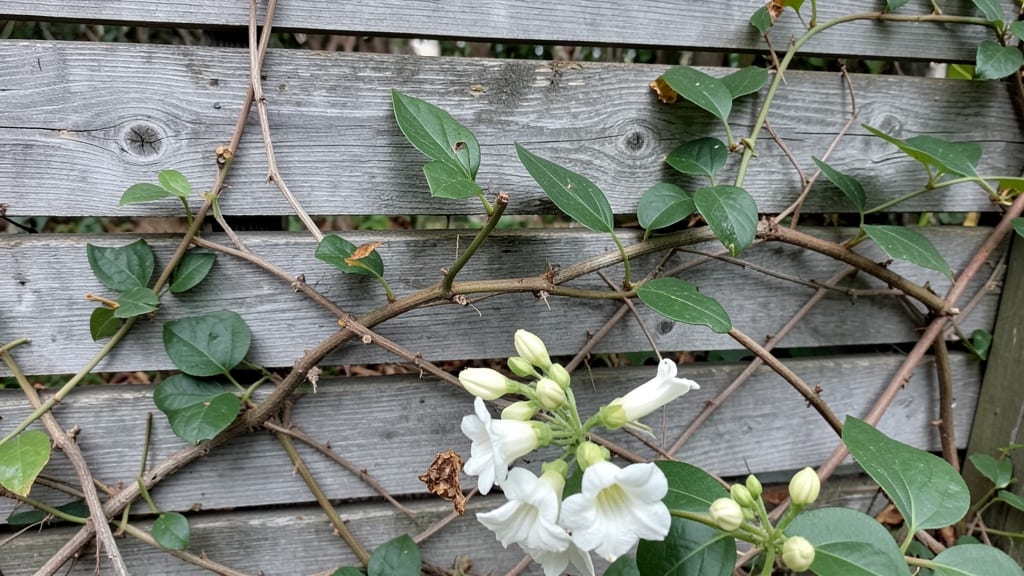
Growing a jasmine flower tree 🌸 means turning your yard into a fragrant sanctuary that blooms year-round—no matter where you live in USDA Zone 6a.
Imagine waking up to the intoxicating scent of jasmine drifting through your garden—no matter the season. Fast-growing varieties like star jasmine or Confederate jasmine deliver lush blooms and sweet aroma with minimal effort, making them the perfect choice for effortless beauty.
Planting in April-May gives your tree the best start, but the real magic happens in June-August when the flowers burst open. With the right care—sunlight, soil, and a little pruning—you’ll have a fragrant centerpiece that outshines even the most elaborate bouquets.
In this guide, I’ll walk you through everything from picking the fastest-growing varieties to keeping your jasmine thriving for decades. Ready to transform your garden into a fragrant paradise?
Top 5 fast-growing jasmine tree varieties for instant fragrance
If you're dreaming of a garden filled with jasmine's intoxicating fragrance in record time, you're in luck! Fast-growing jasmine varieties like Arabian jasmine and Pink jasmine can transform your outdoor space within just a few seasons.
These fragrant climbers thrive in various climates, making them perfect for both urban balconies and rural landscapes.
Choosing the right variety depends on your hardiness zone, desired growth speed, and bloom preferences. Some jasmine trees burst into year-round flowers while others offer seasonal bursts of scented blooms. Let's explore the top 5 fastest-growing options that deliver instant garden fragrance.
| Variety | Growth Rate | Hardiness Zones | Bloom Season | Fragrance Intensity | Mature Height | Best For |
|---|---|---|---|---|---|---|
| Arabian Jasmine (Jasminum sambac) | 3-4 ft/year | 9-11 (needs frost protection) | Year-round (tropical) | ⭐⭐⭐⭐⭐ (extreme) | 6-10 ft | Containers, trellises, warm climates |
| Pink Jasmine (Jasminum officinale 'Pink Star') | 2-3 ft/year | 7-10 | Spring-Summer (peaks May-June) | ⭐⭐⭐⭐ (strong) | 10-15 ft | Arbors, privacy screens, climbers |
| Primrose Jasmine (Jasminum mesnyi) | 3-5 ft/year | 8-11 | Spring-Fall (April-October) | ⭐⭐⭐⭐ (rich floral) | 15-20 ft | Large gardens, trellises, hedges |
| Star Jasmine (Trachelospermum jasminoides) | 2-3 ft/year | 7-11 | Summer-Fall (June-September) | ⭐⭐⭐ (moderate) | 10-15 ft | Drought-tolerant areas, slopes |
| Confederate Jasmine (Trachelospermum jasminoides 'Confederate') | 3-4 ft/year | 7-10 | Spring-Summer (April-July) | ⭐⭐⭐ (subtle but sweet) | 8-12 ft | Fragrant hedges, borders, containers |
The Arabian jasmine stands out as the fastest grower, adding 3-4 feet per year while delivering year-round tropical fragrance. Perfect for gardeners in USDA zones 9-11, this variety thrives in containers and can be trained along trellises for vertical gardens.
Its white star-shaped flowers open at night, releasing an intoxicating scent that fills the air.
For cooler climates (zones 7-10), the Pink jasmine offers a stunning pink bloom with a strong floral aroma. While slightly slower-growing, its spring-summer blooms create a romantic garden atmosphere.
Pair it with climbing roses for a fragrant, picturesque display. This variety also handles light frosts better than its tropical cousins.
If you want a low-maintenance option that thrives in dry conditions, Star jasmine is an excellent choice. Though its fragrance is moderate, its drought tolerance makes it ideal for xeriscaping projects.
This variety blooms late summer to fall, providing fragrance when many gardens fade. Prune lightly after blooming to encourage next year's flowers.
For gardeners seeking a bold visual impact, Primrose jasmine delivers bright yellow blooms that contrast beautifully with green foliage. This fast-growing climber reaches 15-20 feet and thrives in full sun to partial shade.
Its spring-to-fall blooming cycle ensures months of fragrance, making it perfect for large gardens or privacy screens.
Don't overlook the Confederate jasmine for fragrant hedges or container gardens. This variety grows 3-4 feet annually and produces white, star-shaped flowers with a subtle sweet scent. Unlike many jasmines, it blooms earlier in the season, providing spring fragrance when other plants are just waking up.
Its compact size makes it ideal for small spaces.
When selecting your jasmine tree, consider your local climate and garden layout. For instant fragrance, prioritize Arabian or Primrose jasmine—both grow quickly and reward you with abundant blooms.
If you're in a cooler zone, opt for Pink or Star jasmine for hardier growth. Always plant in well-draining soil with
How to plant and care for fast-growing jasmine trees for maximum blooms
Fast-growing jasmine trees like Arabian jasmine and star jasmine can transform your garden into a fragrant paradise in just a few seasons. The key to unlocking their full potential lies in understanding their specific needs—from sunlight exposure to pruning techniques.
With the right approach, you'll enjoy continuous blooms and intoxicating fragrance year-round, even in cooler climates.
Unlike finicky houseplants, jasmine trees thrive on consistency and proper timing. Whether you're planting a new sapling or reviving an established tree, mastering these care fundamentals ensures rapid growth and abundant flowers. Let's dive into the step-by-step process that will have your jasmine tree flourishing in no time.
🌱 Pro Tip: Choose the Right Spot First
Jasmine trees need 6+ hours of sunlight daily for optimal growth. Plant near a south-facing wall or fence to maximize warmth and protect from harsh winds. If your yard has partial shade, opt for star jasmine—it tolerates 4-6 hours of sun better than other varieties.
Start by selecting a well-draining soil mix with a slightly acidic pH (6.0-7.0). Amend heavy clay soil with compost or sand to improve aeration. When planting, dig a hole twice as wide as the root ball but only as deep—this prevents root suffocation.
Gently loosen the roots before placing the tree in the hole, then backfill with native soil mixed with organic matter.
Watering is critical during the first 30 days after planting. Give your jasmine tree a deep soak (2-3 gallons) every 5-7 days to encourage deep root growth. Once established, reduce to weekly watering during dry spells. Morning watering is ideal—it prevents fungal diseases by allowing foliage to dry quickly.
Mulch around the base with 2-3 inches of organic mulch to retain moisture and regulate soil temperature.
Pruning plays a vital role in maintaining your jasmine tree's shape and promoting abundant blooms. The best time to prune is late winter or early spring, just before new growth appears. Remove dead or crossing branches first, then thin out overcrowded areas to improve airflow.
For bushier growth, trim back 1/3 of the current season's growth—this stimulates branching and more flowers. Always use sterilized pruners to prevent disease spread.
Seasonal care keeps your jasmine tree thriving year-round. In spring, apply a balanced fertilizer (10-10-10) every 4-6 weeks to fuel growth. During summer, reduce feeding to every 8 weeks and monitor for pests like spider mites.
In fall, stop fertilizing and lightly prune to remove any weak or diseased branches. Winter care is minimal—just ensure the tree is protected from freezing winds and water sparingly if the ground is frozen.
With these care techniques, your fast-growing jasmine tree will reward you with lush foliage and fragrant blooms in just a few seasons. The secret lies in consistency—whether it's watering schedules, pruning timing, or seasonal adjustments.
Soon, your garden will be the envy of the neighborhood, filled with the sweet, intoxicating scent of jasmine that lingers long after sunset. 🌸