
Trees
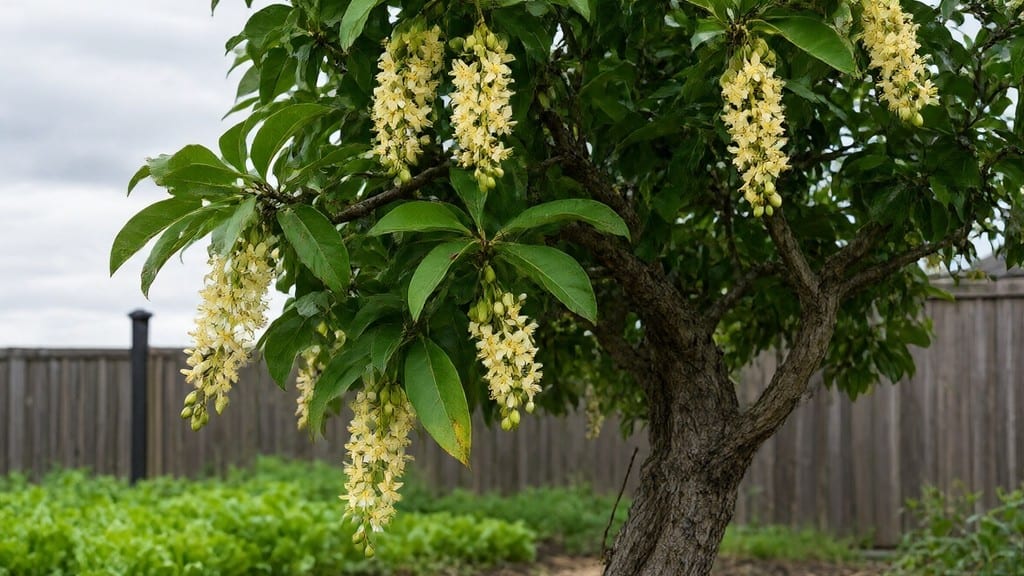
Best pruning times for loquat tree flowers to maximize blooms
The loquat tree (Eriobotrya japonica) produces stunning, fragrant white flowers that can fill your garden with a sweet, plum-like aroma. But to maximize these blooms, timing your pruning sessions correctly is essential.
Prune at the wrong time, and you risk reducing flower production or even harming your tree. The key is understanding your climate zone and the tree's natural growth cycles.
Loquat trees bloom in late winter to early spring, typically between January and March in warmer climates like Zone 9b. In cooler regions like Zone 6, blooms may appear slightly later, around March to April.
Pruning too late in the season can remove next year's flower buds, while pruning too early may stress the tree before dormancy. Let's break down the best times to prune for optimal flower production.
-
1
Late Winter Dormancy (Zone 9b: November - January)
Prune after harvest season but before bud break to stimulate new growth and flower buds. This is the safest time for major pruning as the tree is dormant. -
2
Early Spring (Zone 6: April - May)
In cooler climates, wait until after the last frost date (typically mid-April) to prune. This ensures flower buds aren't damaged by late frosts while still allowing time for new growth before summer. -
3
Post-Harvest Light Pruning (Summer)
After fruit harvest (typically February-April in Zone 9b or July-August in Zone 6), perform light pruning to remove dead or diseased branches and improve air circulation. Avoid heavy cuts to prevent stress. -
4
Avoid Pruning During Bloom
Never prune while the tree is in full bloom (typically January-March). This can remove current year's flowers and stress the tree, reducing both flower production and fruit yield. -
5
Regional Adjustments
In tropical/subtropical climates (Zone 9b+), prune in late winter (November-January). In cooler climates (Zone 6), delay until after last frost (April-May) to protect flower buds from cold damage.
Understanding your local climate is crucial. In Zone 9b, where loquat trees thrive year-round, late winter pruning (November-January) aligns with the tree's natural dormancy period. This timing allows you to remove dead or crossing branches while leaving the flower buds intact for the next bloom cycle.
The goal is to open the canopy to improve sunlight penetration, which encourages more robust flowering.
If you're in Zone 6, where winters are colder, timing becomes even more critical. Prune after the last frost date (typically mid-April) to avoid damaging new flower buds that form in late winter.
In these regions, loquat trees are often grown in containers and moved indoors during winter, so pruning can be adjusted to fit your indoor/outdoor schedule. Always wait until the tree shows signs of new growth before pruning.
Another key factor is the age of your loquat tree. Young trees (under 3 years old) benefit from light pruning to establish a strong structure. Focus on removing water sprouts and shaping the tree to encourage a balanced canopy.
Mature trees (over 5 years old) can handle more aggressive pruning to rejuvenate growth, but always aim to preserve at least 50% of the foliage to maintain flower production.
One common mistake is pruning too late in the season, which can reduce next year's blooms. Loquat trees form their flower buds on old wood, meaning the buds develop on branches from the previous year.
If you prune after these buds have formed (typically in late winter), you risk removing next year's flowers. Always prune before bud break to avoid this issue.
To further encourage fragrant blooms, combine pruning with proper fertilization and watering. After pruning in late winter, apply a balanced fertilizer (6-6-6 NPK) to support new growth. Water deeply but avoid overwatering, as soggy soil can lead to root rot and stress the tree.
Mulch around the base to retain moisture and regulate soil temperature, which also promotes healthier flower production.
Finally, keep an eye on your tree's growth habits. Loquat trees naturally grow in a rounded shape, so avoid heavy topping or shearing, which can stunt growth and reduce flowering.
Instead, focus on selective pruning to open the canopy and improve air circulation. This approach not only enhances
Step-by-step pruning techniques for fragrant loquat flowers
Pruning your loquat tree (Eriobotrya japonica) at the right time and with the right technique is key to unlocking those fragrant blooms that fill your garden with sweet perfume.
The goal is to shape the tree, remove dead wood, and encourage airflow—all while avoiding cuts that stress the plant. Whether you're a beginner or seasoned gardener, these steps will help you maximize flower production while keeping your tree healthy.
Before you begin, gather your tools: a sharp bypass pruner, sterilized loppers, and a pruning saw for thicker branches. Always disinfect your tools with rubbing alcohol to prevent spreading disease.
Safety first—wear gloves and protective eyewear to avoid scratches from thorns or sap. Now, let’s dive into the step-by-step process to transform your loquat tree into a fragrant blooming powerhouse.
How to Prune Your Loquat Tree for More Fragrant Flowers
-
Step 1: Remove Dead or Diseased Wood
Start by cutting out any dead branches or those with signs of disease (e.g., black spots, oozing sap). Make clean cuts ½ inch above a bud or branch collar to prevent infection. -
Step 2: Thin the Canopy for Sunlight
Open the tree’s interior by removing crossing branches or those growing inward. Aim for a vase-like shape to ensure sunlight reaches all areas, promoting even blooming. -
Step 3: Shorten Overly Long Branches
Trim excessive growth by cutting back 1/3 of the branch length to a bud or lateral branch. This encourages new growth and more flowering spurs. -
Step 4: Encourage Airflow with Strategic Cuts
Remove suckers (shoots at the base) and water sprouts (fast-growing vertical shoots). These compete for nutrients and reduce flower production. -
Step 5: Rejuvenate Older Trees
For mature trees with fewer blooms, perform a rejuvenation prune by cutting back 1/4 to 1/3 of the oldest branches to the ground. This stimulates new growth and revitalizes flowering.
Pro Tip: Always prune just outside the branch collar to avoid damaging the tree’s healing mechanism.
After pruning, your loquat tree will need time to recover and focus its energy on producing fragrant flowers. Water deeply right after pruning to reduce stress, and avoid fertilizing for 4-6 weeks to let the cuts heal.
Keep an eye out for new shoots in spring—they’re a sign your pruning worked!
For young trees, limit pruning to light shaping and deadwood removal to avoid stunting growth. Mature trees can handle more aggressive cuts, but never remove more than 25% of the foliage in one session. Over-pruning can reduce flower production and weaken the tree.
If you live in cooler climates (Zone 6 or below), time your pruning for late winter or early spring, just before buds swell. In warmer zones (Zone 9b and above), prune in late winter or early spring to avoid summer heat stress.
Always check your local frost dates to avoid pruning too early.
With these techniques, your loquat tree will reward you with an abundance of fragrant blooms that’ll make your garden the envy of the neighborhood. Happy pruning! 🌸