
Blooming
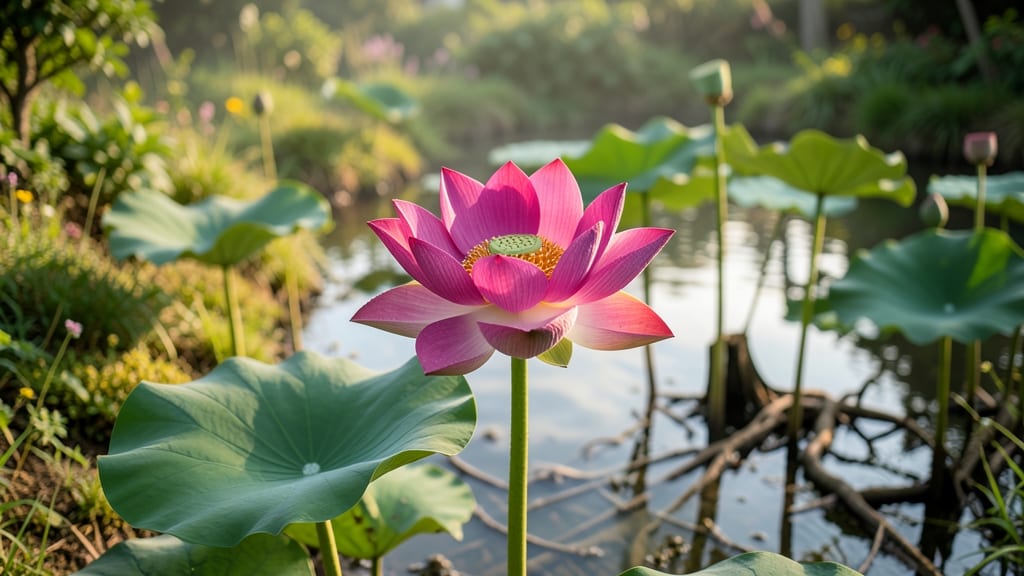
The sacred lotus 🌸 blooms during its flowering season with breathtaking precision, turning ponds and gardens into serene sanctuaries—but timing these fleeting moments depends entirely on where you live.
Picture this: the first golden petals unfurling at dawn, only to close by noon, a daily ritual that lasts just 4-6 hours. Miss the window, and you’ll spend summer chasing blooms that never arrive—or worse, watching your lotus sleep through its prime.
That’s why knowing your climate zone isn’t just helpful; it’s the difference between a pond full of dreams and one full of flowers.
From the steamy jungles of Southeast Asia, where lotuses burst into bloom as early as March, to the Mediterranean’s delayed summer shows, the right conditions can shift your flowering season by months.
Water temperature, sunlight hours, and even the pH of your pond play starring roles in coaxing those iconic blooms. Below, I’ll break down the exact months for your zone, plus the simple tweaks that can extend your lotus’s performance by weeks.
You’ll discover how to read your lotus’s signals—like the way leaves cup before a bloom—or when to adjust your care routine to keep the magic going. No more guessing games, just stunning, predictable blooms that turn heads (and cameras) all season long.
Lotus flowering season by climate zone: exact months for peak blooms
Timing your lotus blooms isn’t just about luck—it’s about understanding your climate zone. In tropical regions like Southeast Asia, lotuses bloom year-round with peaks during monsoon transitions, while temperate zones (like the U.S. South) see dramatic summer displays.
Even subtropical Mediterranean areas have distinct windows. Knowing these patterns lets you plant rhizomes at the perfect time for maximum flowers.
Your location dictates everything from water temperature needs to sunlight exposure. For example, Asian lotus (Nelumbo nucifera) thrives in USDA Zones 9-11 with blooms stretching from May to October, while American lotus (Nelumbo lutea) in cooler zones may only flower from June to August.
Let’s break down the exact months by climate type so you can set your garden up for success.
Here’s a quick reference for peak bloom windows across three major climate categories:
If you’re in a tropical zone, your lotus may bloom almost any month—but the heaviest displays align with monsoon transitions (March-May and September-November). In Southeast Asia, for example, lotuses often peak during Songkran festival (April) when temperatures hit 85°F+ and humidity rises.
For subtropical Mediterranean climates, focus on late spring to early fall when daytime temps stay above 70°F.
In temperate zones, timing is critical. Plant rhizomes in early spring (March-April) for blooms by mid-summer. The Pacific Northwest sees later blooms (July-September) due to cooler water temperatures, while the Midwest may only get June-July flowers.
To push blooms earlier, try warming your pond water with a solar heater or adding black plastic liners to absorb sunlight.
For coastal regions, ocean breezes extend the season. In California, lotuses bloom from May to August thanks to consistent 70°F+ water temps, while Georgia’s humid summers create ideal conditions from April to October.
If you’re near the coast, leverage salt-tolerant varieties like Nelumbo lutea to handle brackish water conditions.
Adjust your planting schedule based on your zone’s last frost date. In Zones 5-7, wait until after May 15th to plant rhizomes—earlier planting risks frost damage. In Zones 8-9, you can plant as early as March 1st for summer blooms.
Pro tip: Soak rhizomes in warm water for 24 hours before planting to jumpstart growth in cooler climates.
Water temperature is the #1 factor controlling bloom timing. Lotus rhizomes need 65°F+ water to initiate flowering. In temperate zones, use a pond heater in early spring to raise water temps by 5-10°F and trigger earlier blooms.
Conversely, in tropical zones, shade your pond during peak summer heat (85°F+) to prevent bud drop.
Light exposure also plays a role. Lotus plants need 6-8 hours of direct sunlight daily, but in high-heat zones, afternoon shade can prevent bud stress. If you’re in a Mediter
How to extend your lotus flowering season: pro tips for longer blooms
Lotus flowers are famous for their fleeting beauty, but with the right care, you can coax them into blooming for weeks longer than usual. The key lies in understanding their natural triggers—like water temperature, light exposure, and nutrient timing—and tweaking them to your advantage.
For example, Asian lotus (Nelumbo nucifera) typically blooms for 3-4 weeks, but with these strategies, you can stretch that to 8-10 weeks or more.
One of the biggest misconceptions is that lotuses bloom randomly. In reality, their flowering cycles are tightly linked to seasonal cues, particularly day length and water warmth. By manipulating these factors, you can encourage earlier or later blooms, effectively extending your display.
For instance, in USDA Zones 9-11, most lotuses bloom from June to September, but with adjustments, you can push those blooms into May or October.
⚠️ WARNING: Common Mistakes That Shorten Blooming
⚠️ Sudden water temperature drops can shock the plant and halt bud development. Maintain a consistent 70-85°F water range for optimal blooming.
⚠️ Inconsistent sunlight exposure confuses the plant’s internal clock. Lotuses require 6-8+ hours of direct sun daily—partial shade can delay or prevent blooming entirely.
To extend your lotus season, start with water temperature control. Lotuses are sensitive to cold water, which can stunt growth and delay blooms.
Use a submersible heater in early spring to gradually warm the water to 75°F—this mimics natural summer conditions and signals the plant to initiate flowering earlier. Conversely, in late summer, keep the water slightly cooler (70°F) to prolong the blooming period into fall.
Strategic fertilization timing is another game-changer. Feed your lotus with a phosphorus-heavy fertilizer (like 5-10-10) in early spring to encourage rhizome growth, then switch to a balanced bloom booster (10-10-10) when buds form.
Avoid fertilizing in late summer or fall, as this can promote new growth at the expense of existing blooms. Pro tip: Top-dress with compost around the rhizome in March and June for a slow-release nutrient boost.
Sunlight is non-negotiable for lotus blooms. While they thrive in full sun (6-8+ hours daily), you can manipulate their cycle by adjusting light exposure. For earlier blooms, provide supplemental grow lights in late winter to simulate longer days.
To delay fall blooms, gradually reduce light exposure by 1 hour per week in September—this mimics the shortening days of autumn and can extend the season by 3-4 weeks.
Finally, prune spent blooms and yellowing leaves regularly to redirect the plant’s energy into new growth. Deadhead flowers immediately after they fade, and trim 1/3 of the oldest leaves in early summer to encourage reblooming.
With these adjustments, your lotus can transform from a short-lived spectacle into a season-long centerpiece—worth the effort for those iconic, sunrise-opening blooms. 🌸