
Flowers
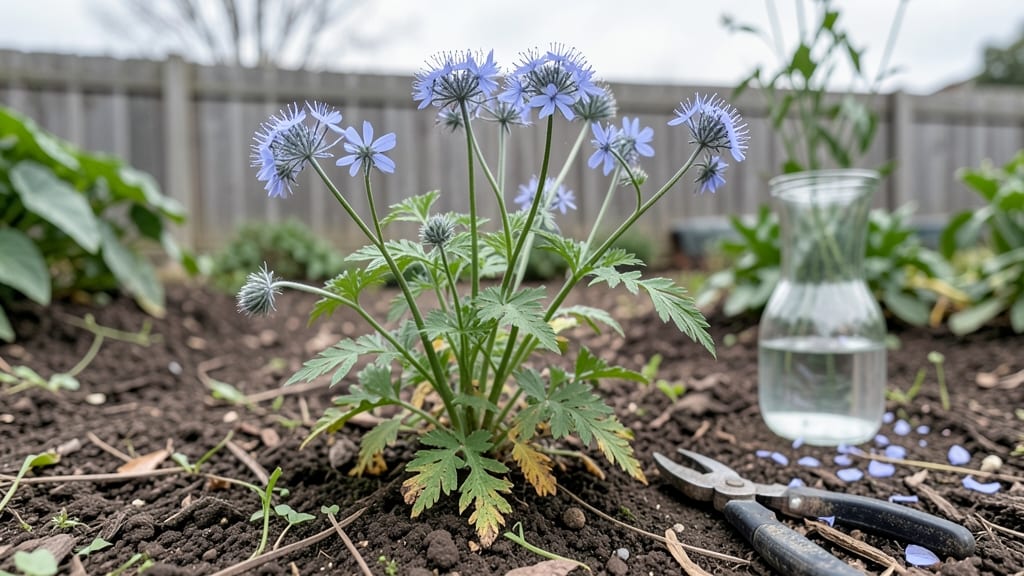
Growing nigella as cut flowers unlocks a world of delicate, lace-like blooms that bring effortless elegance to any arrangement 🌸.
These self-seeding annuals are a gardener’s secret weapon: they thrive in zone 6a with minimal fuss, yet their airy texture and unexpected longevity make them perfect for both fresh and dried bouquets.
From planting in March-April to harvesting June-August, I’ll walk you through every step to maximize your yield and create stunning floral displays that last.
You’ll discover how to pair nigella with complementary blooms, extend vase life, and even dry them for arrangements that keep their beauty for years.
Why nigella cut flowers are perfect for dried floral arrangements
Nigella, or Love-in-a-Mist, transforms any garden into a whimsical fairyland with its delicate blue, white, or pink blooms surrounded by feathery seed pods. What makes these flowers truly magical for dried arrangements is their natural preservation ability.
Unlike many cut flowers that wilt quickly, nigella blooms maintain their vibrant color and intricate structure for months when properly dried.
The secret lies in nigella's unique seed pod structure. These pods develop after blooming and create a lacy, airy texture that adds depth to dried arrangements.
Their self-seeding nature also means you’ll always have fresh blooms year after year, making them a low-maintenance, high-reward choice for gardeners and florists alike.
One of the standout features of nigella as a dried flower is its color retention. When harvested at the right stage—just before blooming—the flowers preserve their vibrant hues for months. This makes them ideal for seasonal arrangements that maintain their beauty long after fresh flowers would wilt. Their lightweight stems also make them perfect for adding movement and texture to dried bouquets. The airy texture of nigella’s seed pods creates a whimsical, ethereal look that pairs beautifully with other dried flowers. Unlike dense blooms like roses, nigella adds lightness and dimension to arrangements. This quality makes them a favorite among floral designers who want to create romantic, cottage-core-inspired displays that feel both timeless and fresh. For maximum longevity, harvest nigella in the morning when the stems are fully hydrated. Cut stems at a 45-degree angle just above a leaf node to encourage water uptake and slow the drying process. Once harvested, remove lower leaves to prevent bacterial growth and hang stems upside down in a dry, dark place for 2-3 weeks until completely dry. Another advantage of nigella is its versatility in arrangements. Whether paired with eucalyptus, dried grasses, or other seed pods, nigella adds a soft, romantic touch. Its self-seeding habit also means you’ll always have a renewable source of flowers for future projects. Plus, the seed pods can be collected and used in homemade potpourri or as natural fillers for wreaths and centerpieces. If you’re new to drying flowers, nigella is one of the easiest and most forgiving options. Unlike delicate blooms that require precise timing, nigella’s natural resilience means even slight mistakes in drying won’t ruin the final result. This makes it an ideal choice for beginners looking to experiment with dried floral arrangements without stress. For professional florists, nigella offers a unique selling point in dried arrangements. Its unexpected color palette and textural contrast make it a standout in wedding bouquets, memorial tributes, and holiday decor. Many florists also appreciate how nigella holds its shape even after years of storage, ensuring consistent quality for long-term projects. To get the most out of your nigella cut flowers, harvest at peak maturity. Look for buds that are fully formed but not yet open, with deep, consistent color. Avoid harvesting when the seed pods have already formed, as this reduces the structural integrity of the dried blooms. With the right care, your nigella arrangements will retain their beauty for years, making them a worthwhile investment for any gardener or floral enthusiast. Incorporating nigella into your garden and floral projects is a game-changer for creating long-lasting, low-maintenance dried arrangements. Whether you’re a seasoned florist or a beginner gardener, nigella’s unique charm and durability make it a must-have for any collection of cut flowers.
Characteristic
Details
Botanical Name
Nigella damascena
Color Range
Blue, white, pink, black
Drying Method
Hanging or air-drying
Longevity
1-2 years when stored properly
Seed Pod Texture
Lacy, papery, and lightweight
Harvest Time
When buds are firm but closed
Color Retention
Excellent, even after drying
Arrangement Use
Dried bouquets, wreaths, potpourri
Step-by-step guide: harvesting and drying nigella for cut flowers
Harvesting nigella cut flowers at the right time transforms your garden into a dried floral goldmine. The key is timing—cutting stems when buds are fully formed but not yet open ensures they retain their delicate structure and vibrant colors.
This method preserves their lace-like texture and prevents seed pods from popping open prematurely, which can ruin your arrangements.
Once you’ve harvested, the drying process is simple but critical. Whether you choose hanging bundles or flat air-drying, proper technique guarantees your nigella will stay intact for years.
I’ve found that hanging upside-down in a dark, dry space like a closet or garage produces the best results, locking in their natural beauty.
How to Harvest and Dry Nigella Cut Flowers
- 1 Choose the right time: Harvest when buds are firm and fully colored but before they open. This is usually 3-5 days before blooming. Look for deep, consistent color and a woody stem that snaps easily.
- 2 Cut stems properly: Use clean, sharp pruners to cut stems at a 45-degree angle, about 6 inches below the bloom. This encourages water uptake and prevents the stem from sitting flat in a vase. Remove any lower leaves to avoid bacterial growth.
- 3 Bundle stems for drying: Gather 5-10 stems into small bundles and secure them with twine or rubber bands. Hang bundles upside-down in a dark, dry, and well-ventilated space like a closet, garage, or attic. Avoid direct sunlight, which can bleach the petals.
- 4 Dry for 2-4 weeks: Nigella typically takes 2-4 weeks to dry completely. Check periodically to ensure no moisture remains in the stems. If buds start to open prematurely, move them to a cooler, drier spot to slow the process.
- 5 Store dried nigella: Once fully dry, remove stems from bundles and store them in paper bags or breathable fabric pouches to prevent humidity buildup. Keep them in a cool, dark place like a cardboard box or wooden crate. Properly stored nigella can last 1-2 years without losing color or structure.
For extra-long-lasting arrangements, consider air-drying on a flat surface like a wire rack or newspaper-lined tray. Lay stems flat with petals facing upward and cover loosely with a paper bag to retain moisture during the initial drying phase.
This method works well for smaller batches and gives you more control over the drying process.
Pro tip: If you’re drying nigella for seed collection, allow some blooms to fully open and dry on the plant. The seed pods will pop open naturally, scattering seeds for next year’s garden.
Just be sure to harvest the rest for drying to avoid losing your best stems.
With these techniques, your nigella cut flowers will become timeless dried blooms that add elegance and texture to any arrangement. Whether you’re crafting winter wreaths or rustic bouquets, nigella’s unique charm will shine through for seasons to come. 🌸✂️🌿