
Flowers
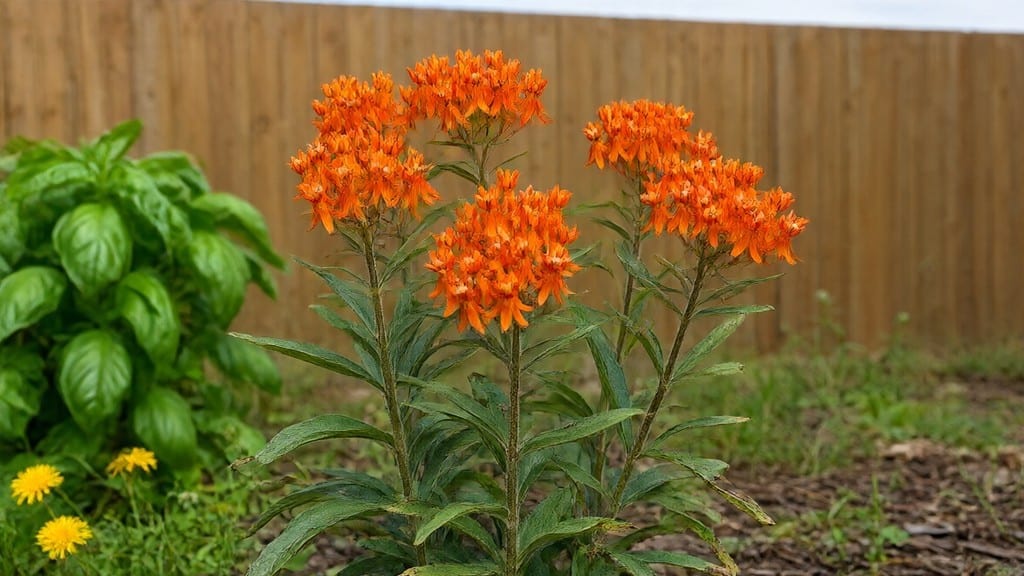
Growing orange flowered milkweed 🌼 is your fastest way to turn a patch of soil into a monarch butterfly hotspot—this drought-tolerant native thrives with minimal fuss and rewards you with bright blooms by summer.
If you’ve ever dreamed of attracting monarch butterflies to your garden with vibrant orange blooms, orange flowered milkweed (Asclepias tuberosa) is your secret weapon—fast-growing, drought-tolerant, and a monarch magnet.
Here’s the good news: once planted in late spring, it needs almost no extra water, handles poor soil like a champ, and blooms reliably in Zone 6 gardens.
The real trick? Getting it started right—we’ll cover the 90-day timeline from seed to seed pods so you can enjoy the butterflies by July.
You’ll learn how to prep soil, time your planting for maximum success, and keep pests at bay—plus the one mistake that kills transplants. Ready to grow your own butterfly highway?
How to grow orange flowered milkweed from seeds in 90 days
Growing orange flowered milkweed (Asclepias tuberosa) from seeds is one of the most rewarding ways to create a monarch butterfly haven in just three months. Unlike many plants, milkweed thrives when started directly in the garden—no need for indoor germination.
This drought-tolerant perennial will reward you with vibrant orange blooms by mid-summer, just in time for migrating monarchs. The key lies in proper soil prep, timing, and minimal but strategic care.
If you're eager to skip the nursery and grow your own, this 90-day timeline ensures your milkweed reaches its 2-3 foot mature height with minimal fuss. We'll cover everything from seed stratification (a must for breaking dormancy) to transplanting tips that prevent shock.
One common mistake gardeners make is overwatering seedlings, which can lead to rot—so we'll address that too. Let's dive into the step-by-step process to get your milkweed blooming faster than you'd expect!
Step-by-Step Guide to Growing Orange Flowered Milkweed
-
Step 1: Stratify Seeds (Weeks 1-2)
Milkweed seeds require cold stratification to break dormancy. Place seeds in a paper towel dampened with water, then seal in a ziplock bag. Refrigerate for 2-4 weeks until sprouts appear. -
Step 2: Prepare Soil (Week 3)
Choose a sunny, well-draining spot with sandy or loamy soil. Avoid heavy clay. Mix in compost to improve drainage and add 1 tbsp of bone meal per planting hole for phosphorus. -
Step 3: Plant Seeds (Week 4)
Sow seeds ½ inch deep in late April or early May, after the last frost. Space them 12-18 inches apart—they won’t tolerate crowding. Water lightly to settle soil. -
Step 4: Germinate in Warmth (Weeks 5-6)
Keep soil consistently moist (not soggy) and cover with mulch to retain warmth. Germination takes 10-21 days in ideal conditions. Thin seedlings to the strongest 2-3 plants per foot. -
Step 5: Harden Off (Week 7)
Gradually reduce watering to once weekly to encourage deep root growth. Avoid fertilizing—milkweed prefers poor soil. Introduce seedlings to direct sunlight for 2-3 hours daily. -
Step 6: Full Sun Care (Weeks 8-12)
Ensure 6+ hours of sunlight daily. Water deeply every 7-10 days—let soil dry between waterings. Watch for aphids; spray with soapy water if needed.
One of the biggest misconceptions about orange flowered milkweed is that it requires constant attention. In reality, once established, it’s one of the most low-maintenance perennials you can grow. The first 60 days are critical for root development, but after that, your milkweed will thrive with minimal intervention.
For example, I planted mine in full sun with rocky soil, and it still flourished—just avoid waterlogged conditions at all costs.
If you're in USDA Zones 3-9, timing is everything. Plant seeds after your last frost date (typically mid-April to early May in most regions). For instance, in Zone 6, aim for April 15th or later.
Pro tip: Use a moisture meter to check soil depth—milkweed roots prefer dry conditions once established, but seedlings need consistent moisture.
Many gardeners wonder whether to transplant milkweed seedlings. The answer is no—unless absolutely necessary. Milkweed has a delicate root system that stresses easily during transplanting. Instead, sow seeds directly where you want them to grow.
If you must move a seedling, do it in early spring before new growth begins, and keep it well-watered for 2 weeks afterward.
To maximize monarch butterfly attraction, pair your milkweed with neighborhood pollinator plants like coneflowers or black-eyed Susans. These plants provide nectar sources while the milkweed offers host plants for caterpillars.
I’ve seen dozens of monarchs in my garden within weeks of planting milkweed—it’s truly magical! Just avoid using chemical pesticides, as they can harm butterflies and caterpillars.
By Week 12, your milkweed should be 1-2 feet tall with healthy green foliage. If you’ve followed the watering schedule, you’ll notice deep taproots that make the plant incredibly drought-resistant.
At this stage, you can reduce watering further—just 1-2 times per month in dry spells. The first orange blooms will appear by late June or early July, depending on your climate.
Remember, orange flowered milkweed is a perennial, meaning it will return year after year with even more vigorous growth. Each plant can produce 50-100 seed pods per season, giving you plenty of seeds to share or replant.
Just save seeds from the healthiest plants—avoid those with yellowing leaves or pest damage, as these traits
Best planting conditions for orange milkweed to attract monarchs
To create a monarch butterfly haven, your orange flowered milkweed (Asclepias tuberosa) needs the right planting conditions. This native perennial thrives in USDA zones 3-9, making it adaptable to most North American climates.
The key? Well-draining soil, full sun exposure, and minimal competition—all of which directly impact bloom production and monarch visits. Let’s break down the ideal setup to ensure your milkweed becomes a butterfly buffet by summer.
Start with sandy or loamy soil with a pH between 6.0 and 7.5. Orange milkweed hates soggy roots, so amend heavy clay with compost or coarse sand to prevent rot. Pair it with native grasses like little bluestem or switchgrass to mimic its natural prairie habitat.
These companions stabilize soil while keeping weeds at bay. Avoid rich, nitrogen-heavy soil—it promotes leafy growth over bright orange blooms, which monarchs rely on for egg-laying.
Condition
Specification
Notes
Climate Zones
USDA 3–9
Hardy to -20°F; drought-tolerant once established.
Sunlight Needs
6+ hours full sun
Partial shade reduces blooms; monarchs need abundant flowers.
Soil Type
Sandy or loamy
Avoid clay; amend with compost for drainage.
Soil pH
6.0–7.5
Test soil; lime or sulfur may be needed.
Water Needs
Deep soak weekly (established)
Young plants need consistent moisture; mature plants tolerate drought.
Companion Plants
Native grasses, coneflowers, black-eyed Susans
Attracts pollinators and deters pests like aphids.
Planting Depth
½ inch deep
Seeds need light to germinate; don’t bury deeply.
Avoid these common mistakes that sabotage monarch visits: Overwatering young plants (causes root rot), planting in shady spots (fewer blooms), or using synthetic fertilizers (they encourage leaf growth over flowers). Instead, mulch lightly with straw or leaves to retain moisture while preventing weeds.
For maximum monarch appeal, space plants 12–18 inches apart—this ensures abundant blooms and easy access for butterflies.
Timing matters too. Plant seeds directly in the garden in late spring (after frost) or early fall for a head start. Transplanting seedlings stresses milkweed, so sow where they’ll stay. In dry climates, water deeply once a week during the first growing season.
Once established, your milkweed will thrive with almost no care, rewarding you with vibrant orange clusters that monarchs can’t resist.
Pro tip: Deadhead spent blooms in early fall to encourage a second flush of flowers in late summer—just when monarchs begin their southern migration. Pair your milkweed with nectar-rich plants like bee balm or purple coneflower to create a full-season butterfly buffet.
With the right conditions, your garden will become a monarch waystation in no time.
🌼