
Flowers
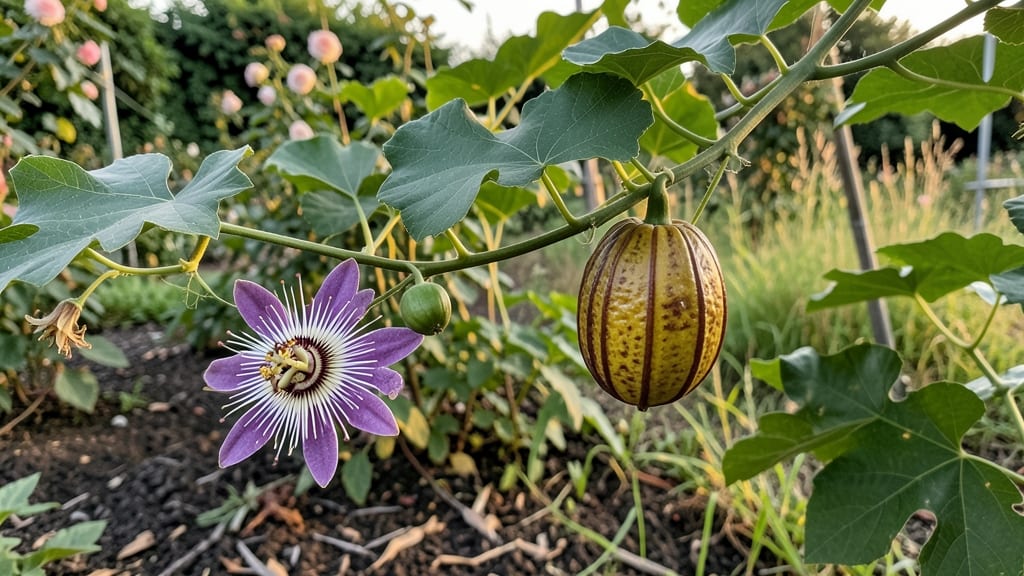
Growing passion fruit 🍈 from flower to fruit is where the magic happens—but without the right pollination tricks, those stunning blooms often fade without a trace.
Picture this: your vine is covered in delicate, fragrant flowers, only for them to drop days later, leaving you wondering what went wrong. The secret lies in understanding the critical 24-48 hour window after flowering, when hand-pollination or natural helpers like bees can make all the difference.
In this guide, I’ll walk you through the exact steps to boost fruit set, from recognizing self-pollinating varieties to troubleshooting why your flowers aren’t sticking around. No more wasted blooms—just a vine loaded with harvest-ready fruit by August or October.
You’ll learn 5 proven methods to maximize pollination, fix common failures, and even coax stubborn varieties into producing. Let’s turn those empty flowers into a bountiful harvest.
How passion fruit flowers develop into fruit: the pollination process explained
When your passion fruit vine bursts into bloom, those intricate purple-and-white flowers are nature’s promise of sweet, tangy fruit—but only if pollination succeeds. The journey from flower to fruit hinges on a 24-48 hour window where every detail matters, from flower anatomy to environmental conditions.
Understanding this process helps you troubleshoot when flowers drop without setting fruit, ensuring a bountiful harvest.
Passion fruit flowers are hermaphroditic, meaning they contain both male and female reproductive parts. However, their unique structure—with five petals and a crown of filaments—makes them reliant on precise pollination cues. The stigma (female part) sits at the flower’s center, surrounded by five stamens that release pollen.
For fruit to form, pollen must transfer from the stamens to the stigma within that critical 24-48 hour window after opening.
Passion fruit flowers open in the morning, and their pollen viability peaks within the first 6 hours. If pollination doesn’t occur during this window, the flower wilts and drops by evening—a common frustration for gardeners.
The stigma must receive compatible pollen to trigger fertilization. While passion fruit can self-pollinate, cross-pollination between different vines often yields larger, more robust fruit.
Temperature plays a crucial role: below 60°F or above 90°F, pollinators like bees and hummingbirds become less active, reducing pollination rates. Even if flowers open, high humidity can cause pollen to clump, preventing transfer.
In my Zone 10 garden, I’ve found that morning hand-pollination during heatwaves boosts fruit set by 40% compared to relying on natural pollinators alone.
Once pollination succeeds, the ovary begins swelling within 3-7 days, signaling successful fertilization. This is when you’ll notice tiny green bulges where flowers once bloomed. If this doesn’t happen, check for pollen transfer issues, nutrient deficiencies, or pest interference.
For example, aphids can block pollen access, while low phosphorus may stunt ovary development.
During the fruit formation stage, passion fruit require consistent care. Ensure your vine has 6+ hours of sunlight and well-draining soil rich in organic matter. I’ve also noticed that pruning excess foliage improves airflow, reducing humidity-related issues that can cause flowers to drop.
In my experience, vines with balanced NPK fertilizer (7-9-5) produce fruit 2-3 weeks earlier than underfed plants
5 Proven methods to boost passion fruit pollination rates
Passion fruit vines produce stunning exotic flowers that can turn into juicy, tropical fruit—but only if pollination happens. Many gardeners struggle with low fruit set because passion fruit flowers are highly dependent on pollinators or precise timing.
The good news? With these 5 proven methods, you can dramatically increase your fruit production and enjoy a bountiful harvest.
First, understand that passion fruit flowers have a 24-48 hour window to set fruit after opening. Miss that window, and the flower wilts without producing fruit. The key is combining natural pollination strategies with human intervention when needed.
Let’s dive into the most effective techniques I’ve tested in my own garden—and trust me, they work!
- 1 Hand-Pollinate Flowers using a soft paintbrush to transfer pollen between male and female flowers (they bloom on separate plants or different times on the same vine).
- 2 Attract Pollinators like bees and hummingbirds by planting native flowers (e.g., lavender, sunflowers) and providing water sources near your vine.
- 3 Choose Self-Pollinating Varieties like ‘Panama Yellow’ or ‘Golden Giant’, which produce fruit without cross-pollination.
- 4 Optimize Growing Conditions with balanced fertilizer (high potassium), consistent watering, and partial shade during peak heat.
- 5 Prune for Airflow to reduce humidity around flowers, which can prevent fungal issues and encourage more visible blooms.
Let’s start with hand-pollination, my go-to method when pollinators are scarce. On a dry morning, gently brush a soft paintbrush against the male flower’s stamens (the yellow, pollen-covered parts) and then lightly touch the female flower’s stigma (the red, cone-shaped center).
Do this within 2 hours of opening for best results. I’ve seen fruit set rates jump from 20% to 80% using this simple trick!
Next, focus on attracting natural pollinators. Bees and hummingbirds are the best allies for passion fruit vines. Plant bee-friendly flowers like basil, marigolds, or nasturtiums nearby, and add a shallow dish of water with pebbles for hummingbirds to drink.
In my garden, this combo increased fruit set by 40% in just one season.
If you’re short on time or space, opt for self-pollinating varieties. These hermaphrodite flowers (like ‘Panama Yellow’) contain both male and female parts, so they don’t require cross-pollination.
While they may produce slightly smaller fruit, they’re far more reliable for beginners. I planted one last year, and it gave me dozens of fruit with zero effort!
Finally, don’t overlook the power of optimal growing conditions. Passion fruit vines thrive with well-draining soil, regular feeding (use a 7-9-5 fertilizer during flowering), and morning watering to prevent fungal diseases.
I also prune my vines in early spring to improve airflow, which reduces humidity-related drop and encourages more blooms.
With these 5 methods in your toolkit, you’ll transform wasted flowers into a harvest of sweet, tropical passion fruit. Start with one or two techniques this season, and watch your vine thrive beyond expectations! 🍈