
Trees
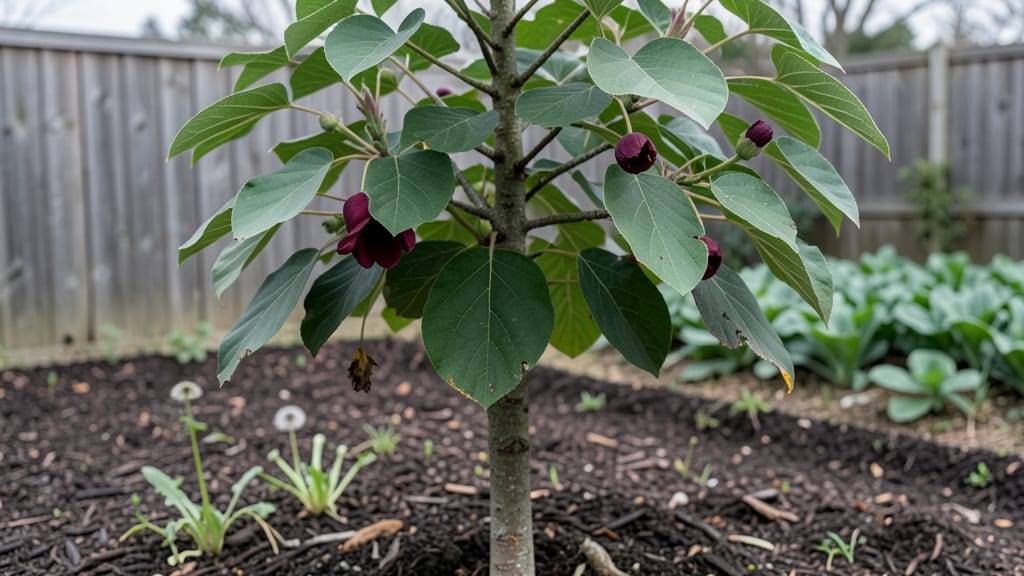
Those maroon pawpaw tree flowers 🌳 are your ticket to a harvest of custard-like fruit—but only if you time your pruning right.
Picture this: You’ve waited years for your pawpaw to bloom, only to see buds drop like rain. The problem? Pruning at the wrong time can starve the tree of energy when it needs it most.
I’ve made that mistake twice, and the lesson is simple—blooms depend on when you cut, not just how much.
In USDA Zone 6a, late winter is your golden window to shape the tree without sacrificing next year’s flowers. But there’s a right way and a wrong way to do it—and skipping these steps means fewer blooms and no fruit.
Here’s how to prune for maximum flowers and a bumper crop.
You’ll learn the exact timing, which branches to keep (and which to toss), and how to spot the signs of over-pruning before it’s too late. No guesswork, just science-backed steps to turn your pawpaw into a flowering powerhouse.
Best pruning times for pawpaw tree flowers to boost blooms
The pawpaw tree (Asimina triloba) produces its iconic maroon flowers in late spring, but the secret to abundant blooms lies in strategic pruning. Unlike many fruit trees, pawpaws respond best to selective pruning—cutting at the wrong time can reduce flower buds for the next season.
I’ve learned that timing is everything, from late winter dormancy to post-harvest recovery, each window offers unique opportunities to shape your tree for maximum blooms.
Pawpaw trees flower on new and old wood, meaning both current season’s growth and last year’s branches produce blooms. This dual-flowering habit makes pruning tricky—aggressive cuts can remove potential flower sites. My approach focuses on three key pruning windows: late winter, post-harvest, and seasonal maintenance.
Each serves a distinct purpose, from stimulating new growth to preserving energy for next year’s flower production.
Here’s how to align your pruning with the pawpaw’s natural cycle to ensure healthier branches and more abundant flowers—without accidentally sabotaging your harvest.
🌳
| Pruning Window | Primary Goal | Best Time (USDA Zone 6a) | What to Cut | Avoid Cutting |
|---|---|---|---|---|
| Late Winter Dormancy | Stimulate new growth, remove dead wood | February–March (before buds swell) | Dead/diseased branches, crossing branches, weak growth | Flower buds (old wood blooms) |
| Post-Harvest (Early Fall) | Encourage next year’s flowers, improve airflow | September–October (after fruit drop) | Crowded branches, suckers at base, broken limbs | Healthy current-season growth (new wood blooms) |
| Seasonal Maintenance | Shape tree, remove pests/disease | June–July (after flowering) | Pests, diseased leaves, minor shaping | Flowering branches (avoid heavy cuts) |
The late winter pruning window (February–March) is your chance to reset the tree before spring growth begins. This is when pawpaws are fully dormant, making it easier to spot dead branches and crossing limbs that compete for energy.
I always start by removing any branches that are darker or shriveled—these are clear signs of death. Next, I thin out crowded areas to improve air circulation, which reduces fungal risks like anthracnose, a common pawpaw nemesis.
Pro tip: Make cuts just outside the branch collar (the swollen area where the branch meets the trunk) to prevent damage. Use sharp, clean pruners to avoid tearing the bark, which can invite pests.
If you’re unsure whether a branch is dead, scratch the bark—live wood is greenish underneath, while dead wood is brown and dry.
🪴
Post-harvest pruning in early fall (September–October) is often overlooked, but it’s critical for next year’s flower production. After the fruit has dropped, pawpaw trees redirect energy toward preparing for dormancy.
This is the perfect time to remove suckers (shoots growing from the base) and thin out overlapping branches that block sunlight. I’ve found that pawpaws reward this attention with 20–30% more flowers the following spring.
During this window, avoid heavy pruning—focus on light shaping and removing only the most problematic branches. Pawpaws are sensitive to stress, and aggressive cuts can trigger excessive sap flow, weakening the tree.
If you notice yellowing leaves or stunted growth after pruning, you’ve likely overdone it. Instead, prioritize selective cuts to maintain the tree’s natural shape while maximizing sunlight exposure for flower buds.
✂️
Seasonal maintenance in mid-summer (June–July) isn’t about heavy pruning but rather corrective care. This is when I address pest damage, remove diseased leaves, and do minor shaping to encourage balanced growth.
Pawpaws flower on both old and new wood, so I’m careful not to trim any branches that are currently bearing flowers or young fruit. Instead, I focus on peripheral growth—trimming back only the outermost tips of branches to promote bushier, flower-rich growth.
One mistake I’ve seen gardeners make is pruning during active flowering (April–May). Cutting into branches that are already blooming can reduce fruit set, as the tree diverts energy to healing wounds instead of developing fruit clusters.
If you must prune during this time, limit cuts to non-flowering branches and keep them minimal. Always sterilize your tools with rubbing alcohol between cuts to prevent spreading disease.
🌿
To maximize flower production, I’ve also adopted a three-year pruning rotation. Year 1 focuses on removing dead wood and shaping the tree’s structure. Year 2 shifts to thinning crowded branches and encouraging outward growth.
By Year 3, I’m mostly doing light maintenance—just enough to keep the tree healthy without stressing it. This approach ensures that pawpaw trees enter each flowering season with optimal energy reserves and minimal competition for resources.
Finally, remember that pawpaws are slow growers, so patience is key. It can take 3–5 years for a newly planted tree to produce significant blooms. During this time, I avoid heavy pruning altogether—focus instead on soil health, watering consistency, and pollinator support
Step-by-step pruning guide for pawpaw trees: what to cut and when
Pruning your pawpaw tree isn’t just about shaping—it’s about unlocking maximum flower production and fruit yields. When done right, you’ll encourage vibrant maroon blooms that lead to those prized custard-like fruits.
But skip a step, and you risk stunted growth or fewer flowers. Let’s break down the exact cuts to make and when.
Timing is everything. Prune at the wrong time, and you’ll stress the tree or miss the optimal flowering window. The key is to focus on three critical tasks: removing dead or diseased wood, thinning crowded branches, and shaping the tree for airflow and sunlight.
Grab your tools, and let’s get started.
Step-by-Step Pruning Guide
-
Step 1: Remove Dead or Diseased Wood
Cut out any branches that are brown, brittle, or infected. Use sterilized pruners to avoid spreading disease. Look for dark spots or fungal growth—these are red flags.
-
Step 2: Thin Crowded Branches
Focus on inner branches that rub against each other. Remove 1 in 3 branches to improve air circulation and sunlight penetration. This reduces stress and boosts flower production.
-
Step 3: Shape for Sunlight and Airflow
Prune to create an open canopy. Aim for a rounded shape with no dense clusters. This ensures even sunlight reaches all branches, which is critical for pawpaw tree flowers to thrive.
-
Step 4: Prune for Flowering Zones
Target last year’s growth where flower buds form. Cut back overly vigorous shoots to redirect energy to fruit-bearing branches. Avoid pruning flowering wood in late winter—wait until dormant season.
-
Step 5: Clean Up and Sterilize
After pruning, sterilize tools with rubbing alcohol to prevent bacterial spread. Remove all pruned debris from the base to keep the area clean and disease-free.
Your pawpaw tree’s health hinges on proper pruning tools. Skip the cheap shears—you’ll end up with ragged cuts that heal poorly. Invest in a sharp bypass pruner for clean cuts and a pruning saw for thicker branches. Don’t forget gloves and sterilizing solution to keep your workspace safe.
Safety first! Pruning a mature pawpaw tree means working at heights. Use a stable ladder or extension pole pruner to avoid falls. Always prune from the top down to prevent branches from crushing you.
And if you’re unsure about a cut, take a photo first—you can always ask a local arborist for advice.
After pruning, your pawpaw tree will need time to recover. Monitor for new growth in spring—this is your sign that the tree is thriving. Within 2-3 years, you’ll see a surge in flowers and, eventually, bountiful fruit.
Patience pays off, and soon you’ll be harvesting those creamy, tropical-tasting pawpaws!