
Shrubs
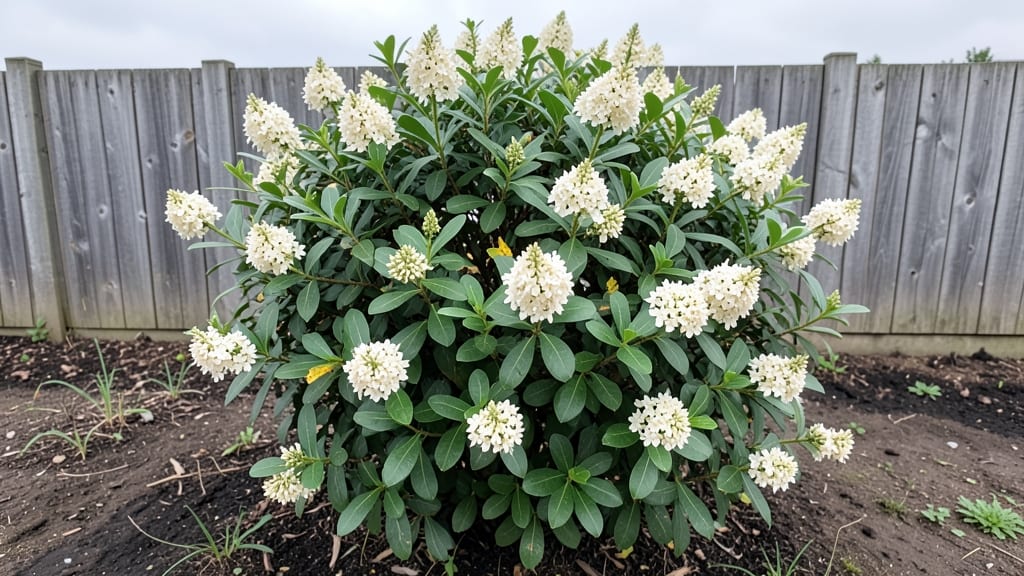
A thriving privet hedge flowering 🌿 transforms any yard into a fragrant, pollinator-friendly haven—but only if you time your pruning just right.
If your privet hedge is struggling to produce vibrant flowers or maintain dense growth, proper pruning timing could be the missing piece of the puzzle—discover the best strategies to transform your hedge this season.
Too late, and you risk cutting off next year’s blooms. Too early, and you stunt growth. The secret lies in a simple late-winter or early-spring approach that balances shape and flowers without sacrificing either.
Here’s how to prune for more blooms, thicker growth, and a hedge that stays lush from spring through fall—plus the mistakes that kill flowering before they start.
Best pruning times for privet hedge flowering and growth
Your privet hedge may look lush but still fail to produce those fragrant, white flowering blooms you love. The secret lies in timing your pruning correctly—cutting at the wrong moment can stunt growth or eliminate next year’s flowers entirely.
Unlike many shrubs, privet hedges thrive when pruned strategically to encourage both dense foliage and abundant blooms. Let’s break down the best times to prune for a hedge that’s both thick and beautiful.
Privet hedges typically bloom in late spring to early summer, but their flowering potential depends heavily on when—and how—you prune. The late winter to early spring window is your golden opportunity to shape your hedge while preserving next year’s flower buds.
Missing this timing can lead to sparse blooms or leggy growth. Understanding these seasonal cues will help you transform your privet into a thriving, flower-filled boundary.
- Late Winter (Jan-Feb): Prune before buds swell to encourage new growth and flowering buds. This is ideal for shaping and rejuvenating your hedge.
- Early Spring (March-April): Focus on light trimming to remove dead or crossing branches. Avoid heavy cuts—this can delay flowering.
- Post-Flowering (June-July): Prune after blooms fade to maintain shape and promote fall regrowth. Cut back by 1/3 of new growth to keep density.
- Avoid Pruning in Fall: Cutting too late in the season can stimulate tender new growth that won’t survive winter frosts, weakening next year’s blooms.
- Never Prune During Flowering: Removing branches while flowers are in bloom can reduce next year’s flower production by removing flower buds hidden in the leaves.
If you’ve been pruning your privet hedge in summer or fall, you might be unknowingly sabotaging its flowering potential. Summer pruning can stress the plant, while fall cuts encourage tender growth that won’t survive winter.
The key is to prune when the plant is dormant but before new growth begins, which is why late winter to early spring is the perfect window.
For maximum flowering, aim to prune your privet hedge in late February to early March, just as the first buds begin to form. This timing ensures you’re cutting back old growth while leaving next year’s flower buds intact.
Use sharp, clean pruners to make 45-degree cuts just above a leaf node or bud, which encourages bushier growth and more blooms.
After your hedge has finished flowering—typically in June or July—you can do a light maintenance trim to shape it up. This post-flowering prune helps remove any overgrown or unsightly branches while still allowing the plant to recover before winter.
Just be sure to avoid heavy cuts during this time, as it can reduce the hedge’s ability to store energy for next year’s blooms.
One of the biggest mistakes gardeners make is over-pruning their privet hedge. Cutting back too aggressively—especially in one season—can leave your hedge looking sparse and leggy. Instead, aim for a gradual approach, removing only 1/3 of the hedge’s growth per year.
This keeps your privet dense, healthy, and full of flowers for years to come.
For thicker growth, focus on pruning the outer branches to encourage inward growth. This creates a fuller, more compact hedge while still allowing sunlight to reach the inner foliage.
If your hedge is looking too sparse at the bottom, you can also prune the top branches to promote growth lower down. Just remember: less is more when it comes to privet pruning.
Finally, always sterilize your pruning tools between cuts to prevent the spread of disease. A quick wipe with rubbing alcohol or a bleach solution ensures your tools are clean and ready for the next cut.
This small step can make a big difference in keeping your privet hedge healthy and vibrant.
With the right pruning timing and techniques, your privet hedge will reward you with dense growth and abundant flowering year after year. Start with a late winter prune, follow up with a light summer trim, and avoid cutting in fall or during flowering.
Your hedge will thank you with a lush, flower-filled display that’s the envy of the neighborhood! 🌿✂️🌸
How to prune privet for thicker growth vs. more flowers
Pruning your privet hedge isn't just about keeping it tidy—it's about striking the perfect balance between dense foliage and vibrant blooms. The key lies in understanding when and how to make cuts.
For thicker growth, focus on structural pruning in late winter, while flowering-focused cuts require a gentler touch after the blooms fade. Let’s break down the techniques that will transform your hedge this season.
Your privet hedge thrives on precision pruning. Cutting at the wrong time can stunt flowers or leave gaps in your hedge’s density. For example, aggressive pruning in spring can reduce blooms, while waiting too long may sacrifice shape.
The solution? A strategic approach tailored to your goals—whether you prioritize lush greenery or showy flowers. Let’s explore the tools and techniques that make all the difference.
| Goal | Best Time to Prune | Cutting Technique | Tools Needed | Expected Result |
|---|---|---|---|---|
| Thicker Growth | Late winter (before buds swell) | Shape with 1/3 reduction; remove dead or weak branches | Hand pruners, hedge shears | Denser foliage, stronger structure |
| More Flowers | After flowering (late spring/early summer) | Light pruning; trim spent blooms and overcrowded branches | Hand pruners, bypass pruners | Increased blooms next season |
| Balanced Growth & Blooms | Late winter + post-flowering | Combine structural cuts and light thinning | Hedge shears, loppers | Healthy hedge with flowers and density |
Start with the right pruning tools—your choice can make or break the outcome. For thicker growth, invest in sharp hedge shears or hand pruners to make clean cuts. If you’re focusing on flower production, bypass pruners work best for delicate trimming.
Always sanitize your tools with rubbing alcohol to prevent disease spread. A pruning saw may be needed for thicker branches, but avoid overusing it on young growth.
When shaping for thicker growth, aim to reduce the hedge by no more than 1/3 in late winter. This encourages new shoots to fill in gaps while maintaining strength.
For flower-focused pruning, wait until after blooms fade—typically late spring or early summer—and trim only the spent flowers and overlapping branches. This redirect energy toward next year’s blooms. Think of it as a two-step process: structure first, then refinement.
Don’t forget to step back and assess your hedge’s shape after each cut. Look for uneven growth or bare patches—these are signs you need to adjust your approach. For example, if one side is sparser, focus extra cuts there to encourage even regrowth.
Mulch around the base after pruning to retain moisture and support recovery. With consistent care, your privet will reward you with lush foliage and abundant flowers year after year.
Pro tip: Mark your pruning schedule on a calendar to avoid missing key deadlines. Late winter is your window for structural pruning, while post-flowering is ideal for flower maintenance. By balancing these two approaches, you’ll achieve the perfect privet hedge—dense, healthy, and bursting with blooms. Happy pruning!