
Pruning
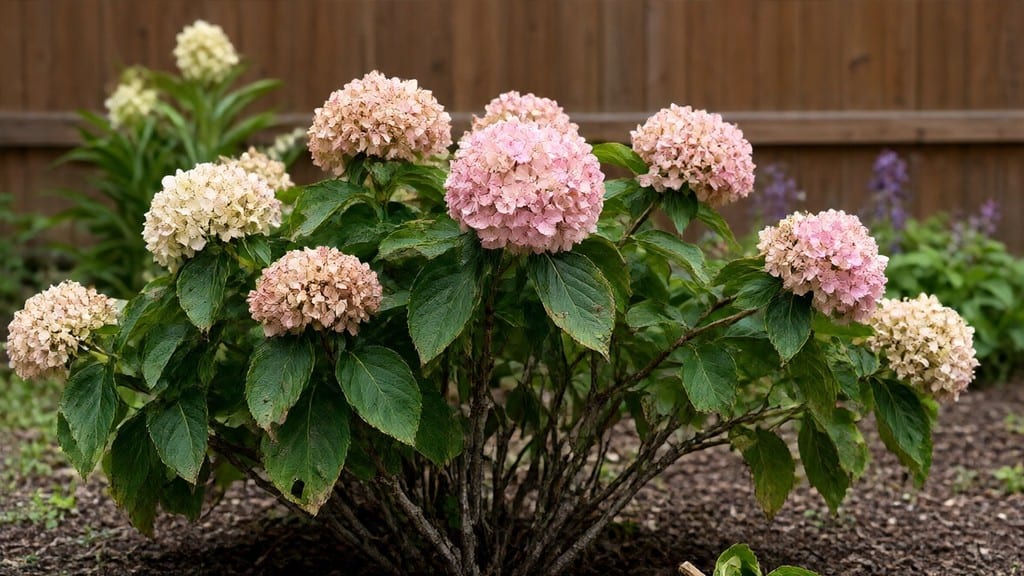
Pruning hydrangea flowers isn’t just about shaping your shrubs—it’s the secret to year-round blooms and stronger stems. I’ve pruned dozens of hydrangeas, and the difference between a sparse plant and one covered in flowers comes down to timing, technique, and knowing which stems to cut.
The right approach turns a once-a-year bloomer into a plant that gives you color from spring through fall.
First, gather your tools: clean, sharp pruners, gloves, and a bucket for clippings. The key is working at the right time—late winter or early spring for most varieties, but lacecap hydrangeas need a different approach.
I learned this the hard way when I accidentally pruned my lacecaps too late and lost their signature blooms. Each type has its own rules, and getting it wrong means fewer flowers next season.
After pruning, your hydrangeas will reward you with thicker foliage and bigger blooms by summer. The cuts encourage new growth, and proper aftercare—like consistent watering and balanced fertilizer—keeps them thriving. Even a black thumb can master this with the right guidance, and the results are worth the effort.
This method works for mophead, lacecap, and oakleaf varieties, though adjustments are needed for panicle types. Whether you’re trimming a single bush or a whole garden bed, the principles stay the same. Let’s get those blooms growing strong.
📚 In This Guide
- What you need
- Instructions
- Tips and common mistakes
- Wrapping up and next steps
What you need
- ● Pruning shears: Bypass pruners (sharp, clean, and 4–6 inches long) for clean cuts. Avoid dull tools—they crush stems!
- ○ Garden gloves: Heavy-duty, cut-resistant (optional but recommended to protect hands from thorns or rough stems).
- ● Disinfectant: Rubbing alcohol (70% or higher) or a 1:10 bleach-water solution to sterilize tools between cuts (prevents disease spread).
- ● Garden twine or plant ties: 1–2 feet per plant (for supporting heavy blooms post-pruning).
- ● Garden waste bag: 1–2 large bags (for collecting pruned branches and debris).
- ● Loppers: For thicker stems (½–1 inch diameter)—extend your reach for larger hydrangeas.
- ● Hand pruners: Small, precise shears for delicate trimming (great for shaping).
- ● Pruning saw: For stubborn, woody stems (if your shears can’t handle it).
- ● Plant food: Balanced fertilizer (10-10-10 or similar) to nourish hydrangeas after pruning.
- ● Notebook & pen: To jot down notes on pruning patterns or plant IDs if you have multiple varieties.
Instructions for pruning hydrangeas to encourage continuous blooms
This straightforward method transforms your hydrangeas into year-round showstoppers with minimal effort.
Identify Your Hydrangea Type and Bloom Cycle
First, determine whether your hydrangeas are bigleaf (Hydrangea macrophylla) or panicle (Hydrangea paniculata) varieties, as their pruning needs differ dramatically. Bigleaf types bloom on old wood (last year's growth), while panicle types produce flowers on new wood (current season's growth). Examine last year's stems—if they're still sturdy and have bud scales, you're dealing with old-wood bloomers.
Here's the thing—if you prune old-wood types incorrectly, you'll sacrifice next year's flowers. I always wait until late spring, after the buds swell but before they burst open, to prune these varieties. For new-wood types, you can prune anytime during dormancy or even mid-season without risking next year's blooms.
Gather Your Tools and Prepare for Pruning
You'll need sharp, clean pruning shears and rubbing alcohol to sterilize them between cuts. Disinfecting prevents spreading disease from plant to plant. I keep a small bottle of rubbing alcohol in my gardening toolkit specifically for this purpose. Remove any dead, diseased, or crossing branches first—they compete with healthy growth and create entry points for pests.
Work on a dry day when temperatures are above 50°F to minimize plant stress. Clear away any leaf litter from the base of the plant, as damp debris can harbor fungal spores. This is also a good time to assess the plant's overall shape—hydrangeas respond well to open, airy structures that allow sunlight to penetrate the center.
Apply the Correct Pruning Technique for Your Type
For old-wood types like bigleaf hydrangeas, cut back only the previous year's blooms—never more than 1/3 of the plant's height. I make my cuts just above a set of healthy buds or lateral branches. The goal is to remove spent flowers while preserving next year's blooms. Avoid cutting into old wood, which is the brown, woody stem beneath last year's growth.
With new-wood types, you have more flexibility. I typically cut back panicle hydrangeas by 1/3 to 1/2 of their height in late winter or early spring. This encourages robust new growth that will produce abundant flowers. For both types, always make cuts at a 45-degree angle, about 1/4 inch above a bud or lateral branch, to promote better water runoff and prevent rot.
Shape and Maintain for Optimal Growth
After removing dead or problematic branches, step back and evaluate the plant's overall form. Hydrangeas thrive with an open, rounded shape that allows air circulation. I focus on creating a natural, balanced silhouette rather than a perfectly symmetrical one. Remove any inward-growing branches that could rub against others and create wounds.
Apply a balanced, slow-release fertilizer after pruning to replenish nutrients lost during the process. Water deeply to help the plant recover from the stress of pruning. You'll notice new growth emerging from the buds within 3-4 weeks, signaling that the plant is responding well to the pruning. This is especially satisfying with old-wood types, as it confirms you've preserved next year's blooms.
Monitor and Adjust for Seasonal Blooms
Old-wood types will produce flowers on the current year's growth from the buds you preserved. I keep an eye out for swollen buds in late spring—this is your cue that next year's blooms are forming. For new-wood types, you can prune again in mid-summer to encourage a second flush of flowers, especially if you notice leggy growth.
Throughout the growing season, remove any spent blooms promptly to redirect the plant's energy into new growth rather than seed production. This simple habit extends the blooming season and keeps your hydrangeas looking their best. With consistent care, your hydrangeas will reward you with vibrant, continuous blooms from early summer through fall.
Tips & tricks for perfect hydrangea pruning
These straightforward strategies will help you avoid common mistakes and achieve stunning, continuous blooms with minimal effort.
Timing is Everything: For old-wood types like bigleaf hydrangeas, prune only after you see swollen buds in late spring—this confirms next year's blooms are already forming. I've learned the hard way that cutting too early can remove potential flowers before they even appear. New-wood types are more forgiving, but I still recommend pruning in late winter or early spring to give the plant maximum time to recover and produce abundant summer blooms.
Tool Preparation Matters: Always sterilize your pruning shears between cuts using rubbing alcohol—this simple step prevents spreading disease from one plant to another. I keep a small bottle in my gardening kit specifically for this purpose. Also, make sure your shears are sharp; dull blades create jagged cuts that heal poorly and invite pests. A quick sharpening before you start makes all the difference in clean, professional-looking pruning.
Visual Cues for Pruning: When pruning old-wood types, look for the transition point between last year's brown, woody stem and this year's green growth. This is where you should make your cut—about 1/4 inch above a healthy bud. For new-wood types, aim to cut back by 1/3 to 1/2 of the plant's height, focusing on creating an open, airy structure that allows sunlight to reach the center. This open shape is key to preventing fungal issues and encouraging robust new growth.
Post-Pruning Care: After pruning, apply a balanced, slow-release fertilizer to replenish nutrients lost during the process. I've found that hydrangeas respond particularly well to fertilizers with a slightly higher phosphorus content, which supports root and flower development. Water deeply immediately after pruning to help the plant recover from the stress. You'll typically see new growth emerging from the buds within 3-4 weeks—a clear sign that your pruning was successful.
Pro Tips for Prune Hydrangea Flowers
- These straightforward strategies will help you avoid common mistakes and achieve stunning, continuous blooms with minimal effort.
- Timing is Everything: For old-wood types like bigleaf hydrangeas, prune only after you see swollen buds in late spring—this confirms next year's blooms are already forming.
- Tool Preparation Matters: Always sterilize your pruning shears between cuts using rubbing alcohol—this simple step prevents spreading disease from one plant to another.
Frequently asked questions
Got questions about pruning hydrangea flowers? You’re not alone—let’s clear up the most common concerns so you can keep those blooms looking their best all season long.
When is the best time to prune hydrangea flowers?
The timing depends on your hydrangea type! For mophead and lacecap hydrangeas (like Hydrangea macrophylla), prune in late winter or early spring before new growth starts. For panicle hydrangeas (like Hydrangea paniculata), you can prune in late winter or even summer after blooming—just avoid pruning too hard in early spring.
Can I prune hydrangea flowers after they’ve already bloomed?
Yes, but it depends on the type! For mophead and lacecap hydrangeas, pruning after blooming can reduce next year’s flowers. However, panicle hydrangeas can handle summer pruning—they bloom on new wood, so cutting back spent blooms encourages a second flush of flowers. Always use clean, sharp shears for the best results!
What if I prune my hydrangea too late in the season?
If you prune too late—say, after mid-summer for mophead types—you might sacrifice next year’s blooms. For panicle hydrangeas, late pruning won’t hurt, but you’ll miss out on the second bloom cycle. To avoid mistakes, mark your calendar: aim for late winter or early spring for most varieties. If you’re unsure, wait until the plant is dormant!
What should I do if my hydrangea doesn’t bloom after pruning?
No blooms? Check these basics first! Ensure your hydrangea gets 6+ hours of sunlight and well-draining soil. Over-pruning (cutting back more than 1/3 of the plant) can also kill blooms. For mophead types, avoid pruning old wood—only trim dead or crossing branches. If the problem persists, consider fertilizing with a bloom booster in early spring.
Is there a way to prune hydrangeas without killing them?
Start by removing dead, diseased, or crossing branches first. For mophead hydrangeas, prune just above a set of healthy buds. Never cut into old wood—this type blooms on last year’s growth. Use disinfected shears to prevent disease, and water deeply after pruning. If your plant looks stressed, give it time to recover before heavy pruning.
Wrapping up and next steps
Pruning your hydrangeas might feel like a daunting task, but with the right timing and technique, you’ll unlock vibrant, year-round blooms that’ll make your garden the envy of the neighborhood! 🌸 Whether you’re dealing with bigleaf, panicle, or oakleaf varieties, the key is patience and precision—cutting back at the right time ensures healthier growth and stunning flowers.
Now that you’re armed with the know-how, grab those pruners and give your hydrangeas the TLC they deserve. Start with one bush at a time, and soon, your garden will be bursting with color. Happy pruning! 🌿