
Flowers
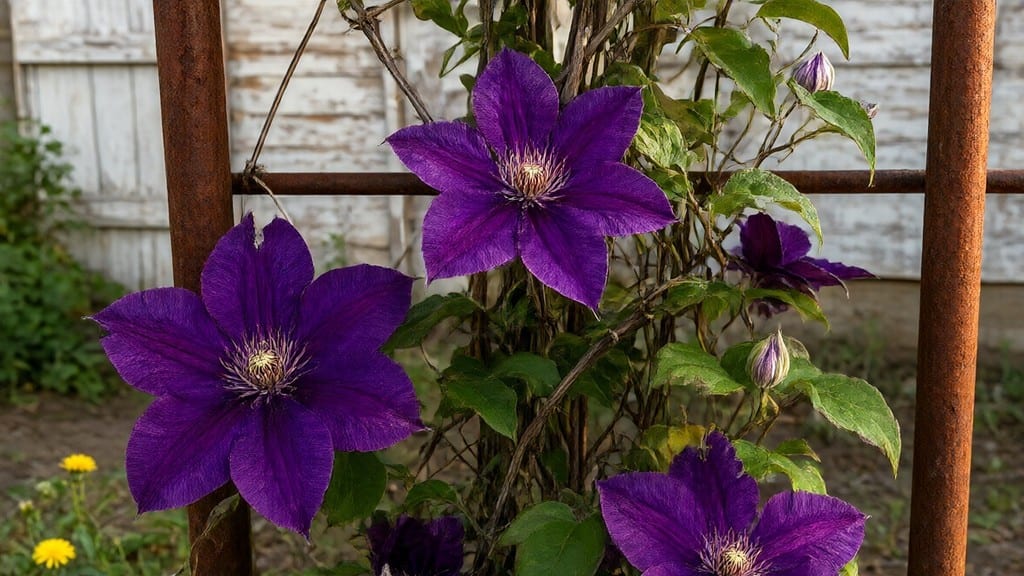
Growing a stunning red flowered clematis 🌸 can transform even the shadiest corner of your garden into a vibrant, eye-catching display.
If you love vibrant red blooms but struggle with shady garden spots, red flowered clematis varieties could be your perfect solution—these climbing beauties thrive where others fade.
Unlike many plants that demand full sun, these shade-tolerant vines bring bold color to your garden while requiring minimal fuss. With the right care, they’ll reward you with dramatic red blooms from spring through summer, making them a standout choice for any outdoor space.
In this guide, I’ll walk you through everything you need to know—from choosing the best varieties for your zone to mastering pruning, watering, and troubleshooting common issues—so you can enjoy a thriving red flowered clematis all season long.
Top 5 red flowered clematis varieties that thrive in shade
If you're dreaming of bold red clematis blooms but have a shady garden spot, you're in luck! These shade-tolerant varieties deliver stunning color while thriving where others struggle. The key is selecting early-flowering types or evergreen cultivars that adapt well to low-light conditions.
Most clematis varieties crave full sun exposure, but these red-flowering exceptions prove that shade doesn't mean sacrificing vibrant blooms. Their secret? Many produce buds on old wood, allowing them to flower before full foliage develops, and some have darker foliage that absorbs more light.
Comparison table below highlights the top 5 red clematis varieties that excel in partial shade (2-6 hours of sunlight), including their bloom times, growth habits, and care essentials for maximum performance.
| Variety | Bloom Time | Max Height | Light Needs | Pruning Group | Key Feature |
|---|---|---|---|---|---|
| 'Niobe' | Late spring | 8-10 ft | Partial shade | 2 (early bloomer) | Dark red blooms, evergreen foliage |
| 'Freckles' | Mid-spring | 6-8 ft | Partial shade | 2 (early bloomer) | Deep red with white centers |
| 'The President' | Late spring | 10-12 ft | Partial shade | 2 (early bloomer) | Rich burgundy blooms, late-season rebloom |
| 'Black Beauty' | Mid-spring | 8-10 ft | Partial shade | 2 (early bloomer) | Deep maroon-red, dark foliage |
| 'Vyvyan Pennell' | Late spring | 6-8 ft | Partial shade | 3 (repeat bloomer) | Bright red, compact growth |
When selecting your shade-tolerant clematis, prioritize Pruning Group 2 varieties like 'Niobe' or 'The President'—they flower on previous season's growth and produce stunning early spring blooms before full shade sets in. For repeat blooming, 'Vyvyan Pennell' offers bright red flowers throughout summer with minimal light demands.
The darkest foliage varieties like 'Black Beauty' are particularly effective in deep shade because their leaves absorb more indirect light. Pair these with a light-colored trellis to reflect additional light onto the vines.
My personal favorite for shade gardens is 'Freckles'—its unique bicolor blooms create striking contrast against green foliage.
All these varieties benefit from morning sunlight (even just 2-3 hours) to boost flower production, but they'll still perform well with dappled shade from trees. The key is well-draining soil—clematis roots rot easily in soggy conditions.
Amend your garden bed with compost and consider adding gravel for drainage if your soil is heavy.
For maximum shade success, plant your clematis near a south-facing wall or east-facing fence to capture reflected light. Avoid west-facing exposures where afternoon sun can overheat foliage.
I've found that evergreen varieties like 'Niobe' handle shade better than deciduous ones because they maintain foliage year-round to capture light.
One critical care tip for shade-grown clematis: feed lightly in early spring with a balanced fertilizer (5-10-10 ratio) to encourage new growth before the shade canopy fully develops. Avoid high-nitrogen fertilizers which promote leafy growth at the expense of flower production—your goal is bold red blooms, not foliage.
When training your shade-loving clematis, use a strong trellis or arbor to support the heavy vines. In low-light conditions, growth may be slower than in full sun, so provide extra support early.
I recommend a 5-foot tall obelisk for compact varieties like 'Vyvyan Pennell' or a 10-foot arbor for taller types like 'The President'.
Watch for powdery mildew in humid shade gardens—this fungal disease thrives where air circulation is poor
How to choose and plant red flowered clematis for maximum shade success
Red flowered clematis varieties like 'Niobe' and 'The President' can transform shady garden corners into vibrant displays. Unlike sun-loving varieties, these shade-tolerant climbers thrive with just 3-6 hours of morning sun, making them perfect for north-facing walls or dense foliage areas.
The key to success lies in proper soil preparation, strategic trellis placement, and understanding their unique pruning needs.
For optimal shade performance, focus on three critical factors: moisture-retentive soil, a sturdy support structure, and companion plants that complement their growth habits. I’ve planted these beauties near hostas and ferns, creating a lush understory that protects their roots while enhancing their dramatic red blooms.
Let’s break down the essential steps to ensure your shade-loving clematis thrives.
Step-by-Step Planting Guide for Shade Success
- 1. Choose the right variety: Opt for shade-tolerant types like 'Niobe' (deep red) or 'Vyvyan Pennell' (crimson blooms). These varieties handle partial shade better than sun-loving hybrids.
- 2. Prepare the soil: Amend with organic matter (compost or peat moss) to improve drainage and moisture retention. Aim for a pH of 6.5-7.0—test your soil if unsure.
- 3. Select a sturdy trellis: Use a heavy-duty arbor or obelisk (6-8 feet tall) to support their weight. Install near a north-facing wall to maximize reflected light.
- 4. Plant at the right depth: Bury the crown 2-3 inches below soil to protect from temperature swings. Space plants 3-5 feet apart for airflow.
- 5. Water deeply after planting: Soak the root zone with 1-2 gallons of water. Mulch with 3 inches of shredded bark to retain moisture and suppress weeds.
- 6. Prune for shade conditions: Use Group 1 pruning (early spring) for non-flowering stems. Avoid heavy summer pruning—it stresses shade-adapted plants.
- 7. Add companion plants: Pair with hostas or heucheras to create a layered look. These shade-lovers protect clematis roots while adding texture.
After planting, monitor your clematis for yellowing leaves, which often signals overwatering in shade. I’ve found that morning watering prevents fungal issues while keeping roots consistently moist. For extra vibrancy, feed with a balanced fertilizer (5-10-10) in early spring—just avoid heavy feeding in summer, as it encourages weak growth.
One of my favorite tricks is training young vines along a wire trellis in a spiral pattern. This not only maximizes vertical space but also creates a stunning waterfall effect of red blooms.
Pair this technique with dwarf conifers at the base for a striking contrast. With the right care, your shade-loving clematis will reward you with prolonged blooms from late spring to early fall.
Remember, patience is key—it may take 2-3 years for mature blooms to appear in shade. But once established, these climbers become the star of your garden, drawing hummingbirds and adding drama to even the shadiest spots. 🌷