
Trees
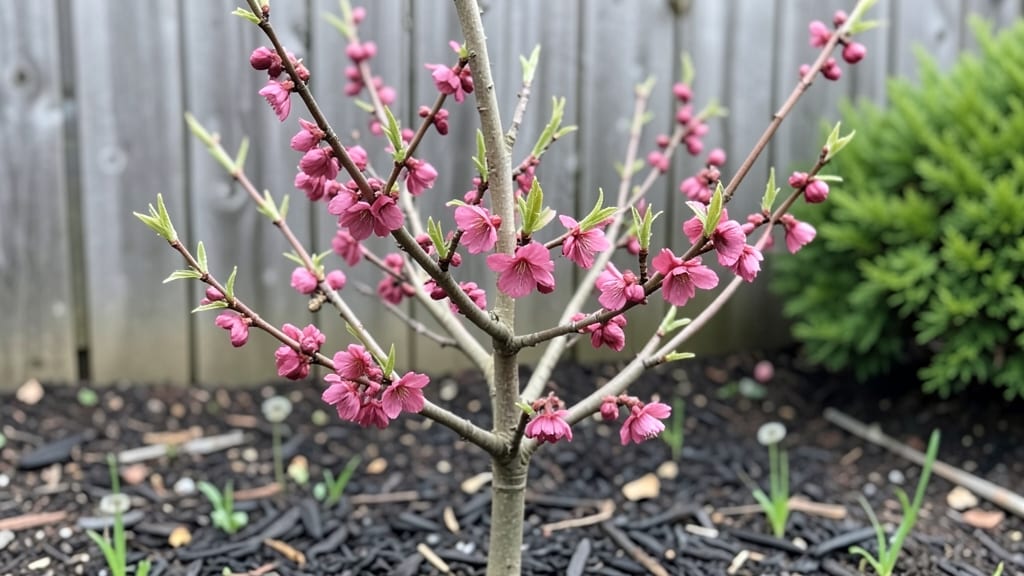
Growing a red flowering peach 🌸 means turning your spring into a riot of color—but only if you nail the basics.
Imagine a backyard bursting with vibrant red blossoms that transform your spring into a breathtaking floral spectacle. These trees aren’t just showstoppers; they’re also surprisingly low-maintenance once you get the planting and care right. That’s the key to long-lasting blooms and a tree that thrives for years.
In Zone 6a, timing is everything—planting in March or April after the last frost gives your tree the best start. But even the right timing won’t help if the soil is too heavy or the spot gets too much shade.
I’ll walk you through the exact steps to set yours up for stunning spring displays, from soil prep to pruning secrets that keep those blossoms coming back.
Ready to turn your yard into a springtime masterpiece? Here’s how to grow a red flowering peach that steals the show—year after year.
How to plant red flowering peach trees for maximum blossom growth
Red flowering peach trees (Prunus persica 'Red Flowering') are a gardener’s dream—they offer stunning red blossoms in spring while potentially producing small, edible peaches. But to unlock their full potential, you need to plant them with precision.
The right soil conditions, sunlight exposure, and planting timing will ensure your tree bursts into vibrant blooms year after year. Let’s dive into the essential steps to set your red flowering peach up for success.
Before you even dig, timing is critical. Plant your red flowering peach tree in early spring, after the last frost date in your area. This gives roots time to establish before summer heat arrives. For most USDA zones 5-9, this means late March to early April.
In warmer zones (like 9-11), you can plant in winter months to avoid summer stress. Always check your local frost dates to avoid planting too early—young roots can’t handle cold snaps.
Now, let’s get to the step-by-step process. Follow these planting instructions to ensure your red flowering peach thrives and delivers those show-stopping blooms.
Step-by-Step Planting Guide for Red Flowering Peach Trees
Choose the Right Location
Select a spot with full sun exposure (6+ hours daily) and well-draining soil. Red flowering peaches hate soggy roots, so avoid low-lying areas where water pools. If your soil is heavy clay, amend it with compost or sand to improve drainage.
Test and Prepare the Soil
Red flowering peaches thrive in slightly acidic to neutral soil (pH 6.0-7.0). Test your soil’s pH with a kit from your local nursery. If it’s too acidic (pH < 6.0), add lime; if too alkaline (pH > 7.0), mix in sulfur or peat moss.
Loosen the soil to a depth of 18-24 inches and mix in 2-3 inches of compost.
Dig the Planting Hole
Dig a hole twice as wide as the tree’s root ball but only as deep. This encourages roots to spread outward rather than settling too low. Gently remove the tree from its container and loosen any circling roots with your fingers. Avoid damaging the root ball—this can stress the tree.
Position the Tree Correctly
The top of the root ball should sit 1-2 inches above ground level. This prevents water from pooling around the trunk, reducing rot risk. Backfill the hole with the amended soil, tamping it gently as you go to remove air pockets. Water the tree deeply to settle the soil.
Space Trees Properly
Red flowering peach trees need 15-25 feet of space between them to grow fully. If you’re planting near a fence or wall, ensure there’s at least 10 feet of clearance for airflow. Proper spacing reduces competition for nutrients and light, leading to healthier blooms and fewer pests.
Mulch and Water
Apply a 3-inch layer of mulch around the base of the tree, keeping it 6 inches away from the trunk to prevent rot. Use organic mulch like wood chips or straw.
Water the tree deeply once a week for the first month, then taper to every 10-14 days once established. Avoid overhead watering to reduce disease risk.
Climate plays a huge role in your red flowering peach’s success. In cooler zones (5-6), plant in early spring to avoid late frosts that can damage blossoms.
In warmer zones (7-9), you can plant in late winter, but choose a spot with afternoon shade to protect the tree from intense heat. If you’re in Zone 10 or higher, consider planting in fall to give roots time to establish before summer.
One common mistake gardeners make is overwatering newly planted trees. While red flowering peaches need consistent moisture, soggy soil can lead to root rot. Always check the top 2 inches of soil before water
Pruning and maintenance tips to prolong red flowering peach blooms
Your red flowering peach tree can produce stunning spring blooms for years if you follow a seasonal maintenance routine. The key lies in balancing pruning, fertilization, and pest control to encourage healthy growth and vibrant flowers.
Unlike fruit-bearing peaches, these ornamental varieties focus on showy blossoms, so proper care keeps them thriving as centerpiece plants.
Start by understanding that winter pruning and summer light pruning serve different purposes. Winter is the best time to remove dead wood and shape the tree, while summer pruning helps control growth and improve air circulation.
A well-maintained tree can bloom 3-4 weeks longer than neglected ones, making your garden the envy of the neighborhood.
⚠️ Warning: Over-Pruning Reduces Blooms
Your red flowering peach sets next year's flower buds on current year's growth. If you prune too aggressively (removing more than 25% of branches), you'll slash bloom production by up to 50%. Always prioritize selective pruning—focus on dead wood and crossing branches rather than heavy thinning.
For fertilization, timing is everything. Apply a balanced 10-10-10 fertilizer in early spring when buds begin to swell, and again in early summer after blooming. Avoid late-season fertilizing, as it can stimulate tender new growth vulnerable to fall frosts.
Organic options like composted manure or fish emulsion work well for established trees.
Watch for peach leaf curl, a fungal disease that causes puckered, red leaves and defoliation.
Treat preventatively in late fall or early winter with a copper fungicide spray before buds swell. Aphids are another common pest—use a strong water spray to dislodge them or introduce ladybugs as natural predators for organic control.
Watering strategy directly impacts bloom duration. Young trees need deep watering every 3-5 days, while mature trees thrive on weekly deep soaks (10-15 gallons). Always water at soil level to avoid wetting foliage, which can promote fungal diseases.
Mulch around the base with 3-4 inches of organic mulch to retain moisture and regulate soil temperature.
Finally, monitor for nutrient deficiencies—yellowing leaves may signal iron or zinc deficiency, while weak stems could mean potassium shortage. A simple soil test every 2-3 years ensures you're addressing issues before they affect blooms.
With consistent care, your red flowering peach will reward you with prolonged, show-stopping blooms year after year.