
Trees
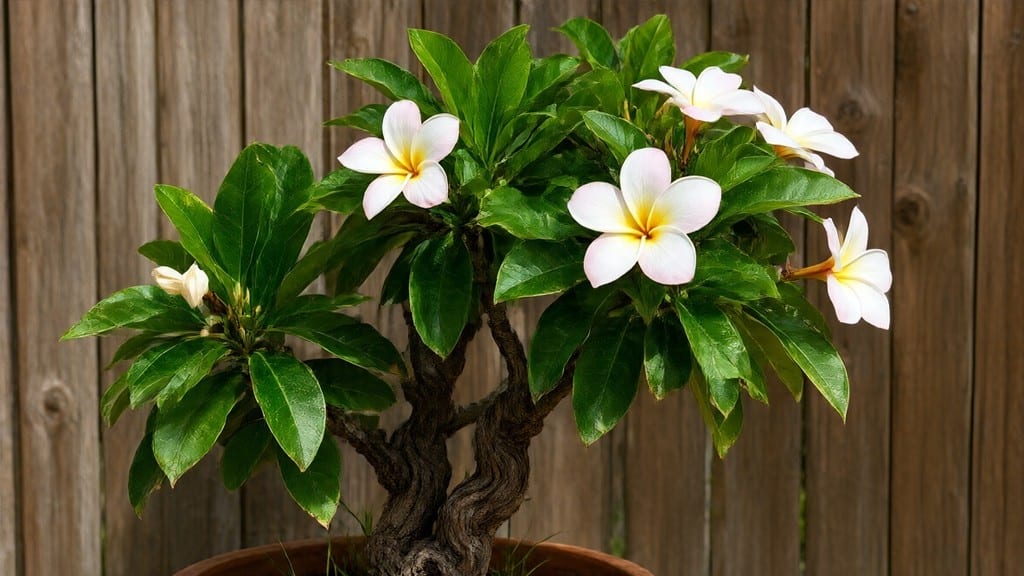
Want a smelly flowering tree that turns your yard into a fragrant oasis? The right choice can make your garden smell like a springtime bouquet every evening.
If you love the intoxicating scent of blooming flowers but want a tree that doubles as a fragrant centerpiece, these scented varieties will transform your outdoor space. Their powerful aromas—ranging from sweet jasmine to spicy citrus—attract pollinators while creating an unforgettable experience.
One standout option is the Amorpha Fruticosa (False Indigo Bush) 🌸, thriving in USDA Zone 6a with minimal care. Plant it in April–May for vibrant spring blooms that fill the air with a subtle, earthy fragrance. Unlike high-maintenance varieties, this shrub loves full sun and drought once established.
Below, I’ll share how to pick the best smelly flowering tree for your climate, care tips to boost fragrance, and the top varieties that deliver year after year—no green thumb required.
Top 5 smelly flowering trees with intoxicating scents
Transform your garden into a fragrant oasis with these top 5 smelly flowering trees that release intoxicating aromas. Whether you crave vanilla-like sweetness or spicy citrus notes, these trees deliver sensory magic while adding stunning beauty.
Their powerful scents peak at dawn and dusk, creating magical moments in your outdoor space.
I’ve grown several of these myself, and the Bridal Wreath Spirea steals the show with its vanilla-cinnamon bouquet that lingers for miles. But which one will be your garden’s star?
Let’s explore their unique fragrances, bloom seasons, and care secrets to help you choose the perfect scented tree for your landscape.
Here’s how these fragrant flowering trees compare at a glance, so you can pick the one that fits your garden’s style and climate:
The Bridal Wreath Spirea is my personal favorite for its vanilla-cinnamon fragrance that reminds me of a cozy bakery. It thrives in USDA zones 3-8 and blooms in late spring, just when other gardens are still waking up.
Plant it near patios or seating areas to fully enjoy its sweet, spicy aroma during evening strolls.
For a lilac-grape hybrid scent, the Fringe Tree (Chionanthus) is unbeatable. Its early summer blooms release a fragrance so potent it attracts bees from miles away.
This tree loves moist, well-drained soil and performs best in zones 4-9. I planted mine near a water feature to amplify its scent on humid days.
If you adore rose-apple hybrids, the Crabapple tree delivers with its springtime perfume that lingers for weeks. Choose varieties like ‘Royalty’ or ‘Adirondack’ for the strongest fragrance. These trees need full sun and acidic soil to thrive in zones 4-8. Their ornamental fruit adds bonus winter interest.
The Japanese Snowbell is a hidden gem for shade gardens, producing bell-shaped white flowers with a honey-like scent. Perfect for zones 5-8, it blooms in late spring when other shade-loving plants are still dormant. I’ve seen it transform dull corners into fragrant retreats with minimal care.
Last but not least, the Sweet Bay Magnolia offers a citrusy-lemon fragrance that’s perfect for coastal gardens or Mediterranean-style landscapes. Native to zones 6-9, it handles heat and humidity beautifully. Its early summer blooms provide a refreshing contrast to heavier garden scents.
Pro tip: To maximize fragrance, plant these scented trees near porches or walkways where you’ll pass by frequently. Avoid high-traffic windy areas—their delicate blooms and scents disperse too quickly. Instead, create a fragrant garden corner with complementary plants like jasmine or gardenia to extend the sensory experience.
How to choose the best smelly flowering tree for your climate and garden
Selecting the perfect smelly flowering tree starts with understanding your USDA hardiness zone and garden conditions. Not all fragrant trees thrive in every climate—some love hot, humid summers while others prefer cool, temperate zones.
For example, Southern magnolias (Zone 6-10) release their creamy, citrusy scent in late spring, while Japanese cherries (Zone 5-8) bloom in early spring with a delicate almond fragrance. Matching the tree to your zone ensures strong growth and maximum fragrance.
Next, consider your garden’s sunlight exposure and soil type. Most highly fragrant trees like frangipani and jasmine need full sun (6+ hours daily) to produce their signature scents. However, dwarf cherry trees can tolerate partial shade, making them ideal for shadier yards.
Well-draining soil is critical—waterlogged roots can suffocate scent-producing blooms. Test your soil’s pH and amend with compost if needed to create the perfect environment for your tree’s roots.
🌱
Smelly Flowering Tree Selection Guide
Fragrant Varieties
- Southern Magnolia – Creamy citrus scent, Zone 6-10
- Japanese Cherry – Almond-like fragrance, Zone 5-8
- Fringe Tree – Lilac-grape aroma, Zone 5-9
- Bridal Wreath Spirea – Vanilla-like, Zone 4-8
Scent Intensity vs. Maintenance
| Tree | Scent Intensity | Maintenance Level |
|---|---|---|
| Southern Magnolia | Very High | Moderate (prune dead blooms) |
| Japanese Cherry | High | Low (minimal pruning) |
| Fringe Tree | Moderate | Easy (drought-tolerant) |
| Bridal Wreath Spirea | Moderate-High | Very Low (self-cleaning) |
Don’t overlook space constraints—some fragrant trees grow 30+ feet tall, while dwarf varieties stay under 10 feet. For small gardens, dwarf cherry trees or compact jasmine shrubs are perfect.
Measure your yard and choose a tree that fits without crowding your home or walkways. Pro tip: Plant scented trees near seating areas or patios to maximize enjoyment of their fragrance.
Finally, balance your desire for strong fragrance with realistic maintenance expectations. Highly scented trees like frangipani require regular pruning and protection from frost, while low-maintenance options like Bridal Wreath Spirea thrive with minimal care.
Use the scent intensity vs. maintenance matrix above to pick a tree that aligns with your gardening lifestyle—whether you’re a busy urban dweller or a weekend warrior.
With the right smelly flowering tree, your garden will become a fragrant sanctuary. Start by checking your USDA zone, assessing sunlight and soil, and measuring space—then let the intoxicating aromas begin! 🌿