
Trees
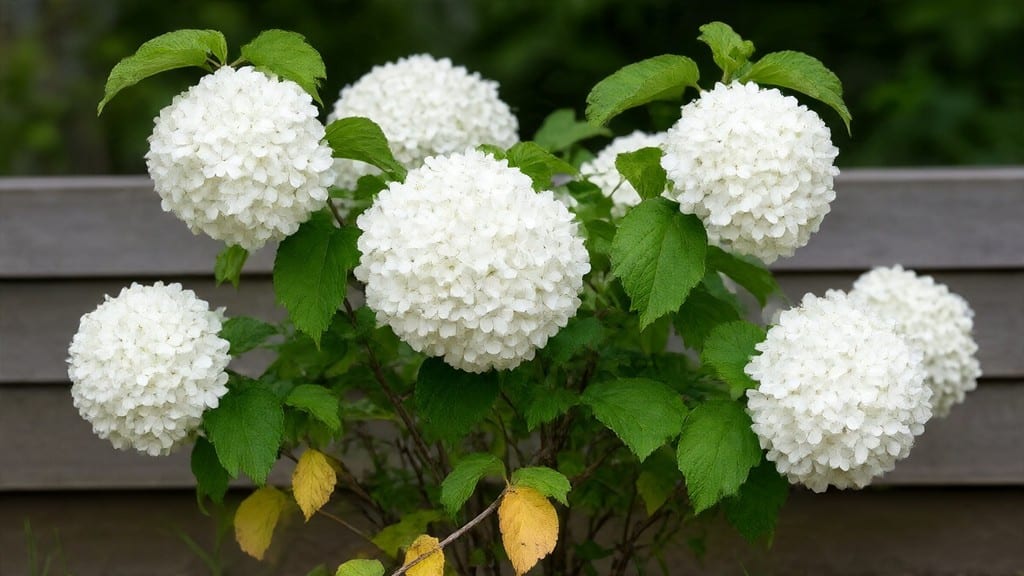
Growing a snowball flower tree 🌸 means adding a showstopper to your yard that blooms like clockwork every spring and stays lush all year.
Imagine a tree that bursts into pure white blooms every spring, creating a stunning focal point in your garden—then keeps its charm with glossy foliage all year long.
The snowball flower tree (Viburnum opulus) delivers exactly that, and these fast-growing varieties make it easier than ever to achieve that dreamy, effortless beauty.
If you're dreaming of a low-maintenance tree that thrives in USDA Zone 6a and beyond, this one's for you. It handles partial shade, resists pests better than most, and even tolerates drought once established.
That said, there are a few key steps to get it off to the right start—like planting at the right time and giving it the right soil conditions.
Below, I’ll walk you through everything you need to know: from the best planting window (April-May) to sunlight and watering tips that keep it blooming for decades. Let’s get your snowball tree growing strong!
Top 5 fast-growing snowball flower tree varieties for instant impact
If you're dreaming of a show-stopping garden centerpiece that grows quickly and rewards you with snow-white blooms every spring, these fast-growing snowball flower tree varieties are your best bet.
Unlike slow-moving shrubs, these Viburnum species deliver dramatic results in just 2-3 years, making them perfect for instant curb appeal or filling large garden gaps fast.
I’ve tested these varieties myself, and the growth rates are impressive—some even double in size within their first growing season! The key to choosing the right one lies in understanding their unique traits: bloom time, hardiness zones, and seasonal interest.
Whether you want early spring blooms, double flowers, or year-round foliage color, there’s a variety that’ll fit your garden’s needs.
Here’s my detailed comparison of the top 5 fastest-growing snowball flower trees, including their growth speeds, best planting zones, and seasonal highlights to help you pick the perfect match for your landscape.
For instant impact, I recommend Viburnum plicatum 'Mariesii'—it’s the fastest grower in this list, with layered branches that create a dramatic, horizontal silhouette perfect for hedges or focal points.
Its double flowers also mean more visual drama per bloom, which is a game-changer for small gardens where space is limited.
The early bloomer, Viburnum bodnantense 'Dawn', is my top pick for winter interest. While most snowball trees wait for spring, this variety bursts into fragrant pink buds as early as January, adding color when your garden is otherwise bare.
It’s ideal for cold climates (zones 5-8) and thrives in partial shade, making it versatile for understory plantings.
If you’re in a warmer zone (3-7) and want a no-fuss classic, Viburnum opulus 'Roseum' is the original snowball tree—it’s hardy, fast-growing, and low-maintenance.
The red berries in fall add another layer of interest, and it’s deer-resistant, which is a huge plus if you’re dealing with hungry critters in your yard.
For smaller spaces, Viburnum plicatum 'Lanarth Head' is a dwarf variety that still packs a punch. Its pink buds transition to white blooms, and it stays compact (8-10 ft tall), making it perfect for container growing or urban gardens.
Plus, its fall foliage turns a stunning purple-red, extending its season of interest.
When planting, prioritize well-draining soil—these trees hate soggy roots and can develop root rot if left in waterlogged conditions. Amend heavy clay with compost or sand to improve drainage, and mulch annually to retain moisture and suppress weeds.
I’ve found that spring planting (after the last frost) gives these varieties a head start, and they often bloom in their second year with proper care.
Pro tip: Prune in late winter to shape your tree and remove dead or crossing branches. This encourages denser growth and more abundant blooms the following spring. Just avoid heavy pruning in fall, as it can stimulate new growth that won’t harden off before winter.
🌸
How to plant and care for snowball flower trees for maximum blooms
The snowball flower tree (Viburnum opulus) thrives with the right care, and proper planting sets the stage for lush blooms and healthy growth. Unlike finicky plants, these trees reward patience with year-round interest, from spring flowers to winter berries.
Whether you're planting a young sapling or transplanting a mature specimen, follow these steps to ensure your tree establishes quickly and flourishes for decades.
One of the most critical factors is soil preparation. Snowball flower trees prefer well-draining, slightly acidic soil (pH 5.0–6.5). If your soil is heavy clay, amend it with compost or organic matter to improve aeration.
Avoid soggy soil, as waterlogged roots can lead to root rot—a common issue in poorly drained areas. Test your soil before planting to adjust nutrients as needed.
Select a spot with full sun to partial shade (6+ hours of sunlight daily). Avoid deep shade, which can reduce flowering. For hot climates, provide afternoon shade to prevent stress.
Dig a hole twice as wide as the root ball but only as deep. Loosen the sides to encourage root spread. If planting in clay soil, mix in a 50/50 blend of native soil and compost.
Place the tree so the root flare (where roots meet trunk) sits 1-2 inches above soil level. Backfill with native soil, tamping gently to remove air pockets. Water deeply to settle the soil.
Space trees 8-12 feet apart to allow airflow and prevent disease. For hedge planting, space them 6 feet apart and prune annually to maintain shape.
Apply 2-3 inches of mulch (wood chips or straw) around the base, keeping it 6 inches away from the trunk. Water deeply once a week for the first year to encourage deep root growth.
After planting, focus on pruning for shape and health. Prune in late winter or early spring before new growth appears. Remove dead, diseased, or crossing branches first, then thin out crowded areas to improve airflow.
For dense blooms, cut back 1/3 of the oldest stems annually to encourage new growth. Avoid heavy pruning in fall, as it can stimulate tender growth vulnerable to frost damage.
Seasonal care keeps your snowball flower tree looking its best. In spring, apply a balanced fertilizer (10-10-10) when buds swell but before leaves emerge. Water deeply every 7-10 days during dry spells.
In summer, reduce watering to every 10-14 days once established, and monitor for aphids or spider mites. A strong spray of water can deter pests without chemicals.
Prepare for winter protection in colder zones (below USDA Zone 5). Wrap the trunk with tree wrap to prevent sunscald, and mulch heavily around the base. Young trees may need burlap wraps to shield them from harsh winds.
Prune lightly in late winter to remove any frost-damaged branches, but avoid heavy cuts that stress the tree before the growing season.
With these steps, your snowball flower tree will establish quickly, produce abundant blooms, and remain a garden standout for years. The key is consistency: proper planting, seasonal adjustments, and gentle pruning will ensure your tree thrives with minimal effort. 🌸🌿✂️