
Blooming
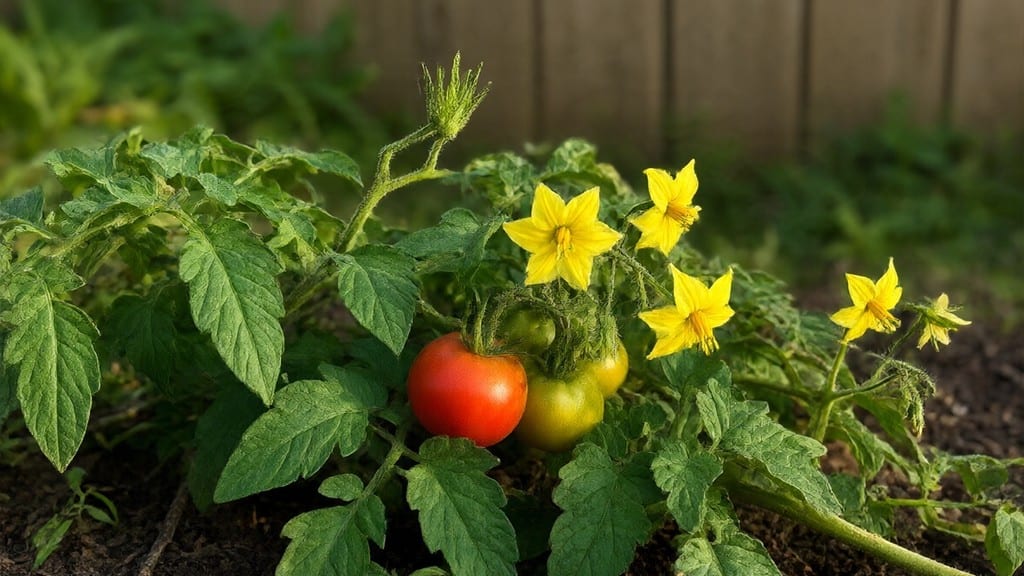
When tomato plants start flowering too early, you’re looking at smaller fruit and a weaker harvest—unless you know how to pause that process. 🌱 I’ve had my share of early-blooming tomatoes that produced puny cherries instead of beefsteak-sized slices, and the fix comes down to light, temperature, and a little strategic pruning.
The main culprits are long daylight hours, warm nights, or planting too early in the season. Tomato plants detect these signals and think it’s time to fruit, even if they’re not big enough.
The solution isn’t complicated: reduce light exposure, keep nights cool, and prune suckers aggressively to redirect energy into growth instead of blooms.
Within a few weeks, you’ll see stronger stems, larger leaves, and delayed flowering—setting you up for juicy, vine-ripened tomatoes that actually fill out. The key is consistency: monitor your plants daily and adjust conditions as the season shifts.
Works for both indoor growers and outdoor gardeners, though greenhouse setups need extra attention. Here’s how to keep those plants focused on growing, not fruiting, until the right time.
Triggers Behind Premature Blooms
If your tomato plants are throwing out flowers before you’re ready, don’t panic—it’s usually a sign of environmental or cultural cues. Understanding these triggers helps you adjust conditions to delay flowering and maximize fruit size. Here’s why it happens:
🌡️ Heat and temperature shifts
Tomatoes are sensitive to temperature fluctuations, and sudden warmth can trick them into flowering early.
Most varieties thrive in 60–85°F (15–29°C) day temperatures, but when nights dip below 55°F (13°C) or days soar above 90°F (32°C), plants may bolt (send up flowers prematurely) to reproduce before stress kills them.
- Cold snaps: Early spring or fall chills can shock plants into flowering as a survival tactic.
- Hot spells: Extended heat (especially in short-day plants like Solanum lycopersicum) accelerates the flowering cycle.
- Day-length sensitivity: Some heirloom tomatoes (e.g., Brandywine) are photoperiod-sensitive—longer daylight hours (14+ hours) can trigger early blooms.
Actionable fix: Use row covers for cold protection or provide shade cloth (30–50%) during heatwaves to keep temps stable.
💧 Water stress and irregular moisture
Tomatoes need consistent moisture to delay flowering. When soil dries out or becomes unevenly wet, plants perceive stress and may flower early to set seed before dying. Key culprits:
- Drought stress: Skipping watering (even for a few days) can trigger ethylene production, a hormone that signals flowering.
- Overhead watering: Wet foliage + heat = fungal risks, which can weaken plants and prompt early blooms.
- Inconsistent schedules: Swinging between soggy and dry soil confuses the plant’s growth hormones.
Actionable fix:
- Water deeply 1–2 times per week (1–1.5 inches per week) at the soil base.
- Use drip irrigation or soaker hoses to avoid wetting leaves.
- Mulch with straw or wood chips to retain even moisture.
🌱 Overcrowding and root competition
When tomato plants compete for nutrients, light, and space, they prioritize reproduction over vegetative growth. Signs your plants are stressed by crowding:
- Stunted growth: Leaves turn yellow or grow slowly due to root-bound conditions.
- Early suckers: Side shoots (suckers) may appear near flowers, diverting energy.
- Weak stems: Plants lean or flop as they stretch for sunlight.
Actionable fix:
- Space plants 18–24 inches apart (36+ inches for indeterminate varieties).
- Prune lower leaves to improve airflow and reduce fungal pressure.
- Fertilize with balanced NPK (10-10-10) or compost tea to support root growth.
🌿 Nutrient imbalances (too much nitrogen or phosphorus)
Tomatoes need a precise nutrient ratio to delay flowering. Too much of the wrong fertilizer can send mixed signals:
| Nutrient | Effect on Flowering | Fix |
|---|---|---|
| Excess Nitrogen (N) | Promotes leafy growth but can delay flowering—then cause blossom drop if corrected too late. | Switch to a low-N fertilizer (5-10-10) once plants are 12+ inches tall. |
| Too Much Phosphorus (P) | Encourages early flowering by signaling "time to reproduce." | Use kelp meal or fish emulsion (low-P) for root health. |
| Calcium/Magnesium Deficiency | Weakens cell walls, causing blossom end rot and early stress-induced flowers. | Side-dress with crushed eggshells or Epsom salt (1 tbsp/gal water). |
Pro tip: 💡 Test your soil with a home kit before planting—aim for pH 6.0–6.8 for optimal nutrient uptake.
🌱 Transplant shock or improper variety selection
Not all tomatoes are created equal—and some are genetically programmed to flower early under certain conditions:
- Cold-hardy varieties: Types like Stupice or Mountain Merit may bolt quickly if exposed to chilly nights before acclimating.
- Early-season hybrids: Plants bred for short growing seasons (e.g., Early Girl) prioritize speed over size.
- Transplant trauma: Moving seedlings too early (before soil warms to 60°F/15°C) stresses roots, triggering premature flowers.
Actionable fix:
- Choose indeterminate varieties (e.g., Beefsteak, Cherokee Purple) for delayed flowering.
- Hardening off seedlings 10–14 days before transplanting to toughen them up.
- Wait until nighttime temps stay above 50°F (10°C) before planting outdoors.
By identifying which of these triggers is at play in your garden, you can adjust conditions to keep your tomatoes focused on foliage—and not flowers—until you’re ready for harvest.
Fix Early Blooms Naturally
Now that you understand why your tomato plants are flowering early, let’s tackle the solutions—without chemicals or stress! The key is to adjust environmental cues, manage plant energy, and sometimes just delay the clock a little.
Below, we’ve mapped common causes to practical fixes, plus prevention tips to keep your tomatoes thriving for a later, bountiful harvest.
🌡️ Too Much Heat? Cool It Down
Cause: High daytime temps (above 85°F/29°C) or nighttime temps (above 70°F/21°C) trigger early flowering. Fix:
- 🌿 Shade cloth to the rescue! Use 30-50% shade fabric during peak afternoon heat (12–4 PM). This mimics cooler conditions and buys you 2–4 weeks of vegetative growth.
- 💦 Deep watering at dawn keeps roots cool and reduces stress. Aim for 1–1.5 inches of water per week (more in extreme heat).
- 🌱 Mulch like a pro: Apply 2–3 inches of straw or grass clippings to insulate soil and retain moisture.
✨ Pro Tip: If you’re in a hot climate, try succession planting—sow new seeds every 2 weeks instead of one big batch. This ensures some plants stay in the "leafy" phase longer.
☀️ Not Enough Light? Extend the Daylight
Cause: Short daylight hours (below 12–14 hours) can signal tomatoes to flower prematurely, especially in northern latitudes. Fix:
- 🔦 Supplement with grow lights (LED or fluorescent) for 4–6 hours in the evening if daylight drops below 12 hours. Focus on blue spectrum lights to encourage foliage growth.
- 🌱 Choose fast-maturing varieties like ‘Early Girl’ or ‘Stupice’ if you’re in a short-season zone. They’ll still produce fruit but may delay flowering slightly.
💡 Quick Fix: Move potted tomatoes to a sunnier spot (like a south-facing window or balcony) during cloudy days.
🌱 Overcrowded or Root-Bound? Give Them Space
Cause: Stress from competition or root restriction forces plants to flower early to reproduce. Fix:
- 🔪 Prune aggressively (but strategically)! Remove suckers (the small shoots between the stem and branches) to redirect energy to leaves and stems. Aim for 1–2 main stems per plant for indeterminate varieties.
- 🌱 Thin seedlings to 12–18 inches apart (24–36 inches for indeterminate types). Crowded plants flower faster to survive.
- 🏺 Upgrade pots if container-grown: Use 5-gallon pots minimum for tomatoes—root-bound plants flower early out of desperation.
🎯 Prevention: Start with larger containers or bury pots deeper to encourage root growth before flowering begins.
🌧️ Too Much or Too Little Water? Balance It
Cause: Irregular watering (drought stress or overwatering) triggers early flowering as a survival tactic. Fix:
- 💧 Water deeply but infrequently: 1–2 times per week (adjust for climate) at the base of the plant, not the leaves. Aim for moist but not soggy soil.
- 🚫 Avoid wetting foliage to prevent disease (like blight), which stresses plants and can accelerate flowering.
- 🌱 Use drip irrigation or soaker hoses for consistent moisture without overhead spray.
🔥 Hot Fix: If your soil is bone-dry, water slowly over 30–60 minutes to prevent shock—this mimics natural rainfall and reduces stress.
🌿 Nutrient Imbalance? Feed the Leaves, Not the Flowers
Cause: Too much phosphorus (P) or not enough nitrogen (N) pushes plants toward flowering. Fix:
- 🍽️ Fertilize with a high-nitrogen boost: Use a balanced 10-10-10 or 5-10-10 fertilizer (or compost tea) to encourage leafy growth. Avoid high-phosphorus fertilizers (like bone meal) until flowering is desired.
- 🥬 Side-dress with compost or fish emulsion every 3–4 weeks for a slow-release nitrogen source.
- 🌱 Avoid over-fertilizing: More fertilizer ≠ bigger tomatoes—it can speed up flowering and lead to weak plants.
💡 Pro Tip: If your tomatoes are already flowering, switch to a low-nitrogen, high-potassium (5-10-10 or 0-0-50) fertilizer to support fruit development after you’ve delayed blooms.
🌱 Wrong Variety for Your Climate? Pick Smarter Next Time
Cause: Some tomato varieties (like determinate types) are bred to flower quickly for shorter seasons. Fix:
- 🍅 Swap to indeterminate varieties like ‘Sungold’, ‘Brandywine’, or ‘Cherry Roma’—they grow taller, produce later, and keep yielding for months.
- 🌍 Check your USDA zone: If you’re in Zone 9–11, opt for heat-tolerant varieties like ‘Heatmaster’ or ‘Solar Fire’ that delay flowering until temps drop.
- 📅 Plan for succession: Plant cool-season varieties (like ‘Stupice’) in early spring or fall to avoid heat-induced early blooms.
✨ Prevention: Save seeds from your best-performing plants—they’ll adapt better to your local conditions over time!
🚨 Last Resort: Pinch Those Blooms (Gently!)
If all else fails and flowers appear before you’re ready, you can remove them to buy more time:
- 👨🍳 Snip off early flowers with clean scissors, leaving the first 6–8 inches of stem to support future growth.
- 🌱 Focus on foliage: Let the plant grow 6–8 leaves above the first flower cluster before allowing more blooms. This ensures a stronger structure for later fruit.
⚠️ Warning: Only do this if you’re 100% committed to delaying harvest—removing too many flowers can weaken the plant.
🌱 Long-Term Prevention Checklist
To avoid early flowering next season: ✅ Start seeds indoors 6–8 weeks before the last frost (adjust for your zone). ✅ Hardened seedlings gradually to outdoor temps before transplanting. ✅ Monitor temps and use shade cloth if nights stay above 70°F (21°C). ✅ Test soil pH (aim for 6.0–6.8)—acidic soil can stress plants and trigger early blooms. ✅ Rotate crops to prevent soil-borne diseases that weaken plants.
By tweaking light, heat, water, and nutrients, you can stretch your tomato’s growing season and enjoy bigger, healthier fruit when it finally does flower. Happy gardening! 🍅🌿
Frequently asked questions
Why do my tomato plants flower so early when they’re still small?
Early flowering happens when plants detect environmental cues like warm nights or long daylight hours (14+ hours), tricking them into thinking it’s time to reproduce. Some varieties, like heirlooms, are sensitive to these signals. Keep nights cool (60–70°F) and use shade cloth during peak sun to delay blooms.
Is it bad if my tomato plant flowers before it’s big enough?
Yes—small plants with early flowers often produce tiny, underdeveloped fruit. The plant prioritizes reproduction over growth, leaving less energy for leaf and stem development. Focus on pruning suckers and deep watering to redirect energy to foliage instead.
Can I remove early flowers to get bigger tomatoes later?
Pinch off first 6–8 inches of flowers to let the plant grow stronger. Aim for 6–8 leaves above the first cluster before allowing more blooms. This ensures the plant has enough energy to support juicier, larger tomatoes when it does fruit.
How do I prevent early flowering in container-grown tomatoes?
Use 5-gallon pots minimum to avoid root-bound stress, and water deeply 1–2 times per week at the soil base. Avoid overcrowding—space plants 18–24 inches apart—and fertilize with low-phosphorus, high-nitrogen (like 5-10-10) to encourage leafy growth before flowering.
Will shade cloth really help delay flowering?
Yes! 30–50% shade cloth during peak afternoon heat (12–4 PM) mimics cooler conditions, buying you 2–4 extra weeks of vegetative growth. It’s especially effective in hot climates where temps exceed 85°F, which can trigger early blooms.