
Blooming
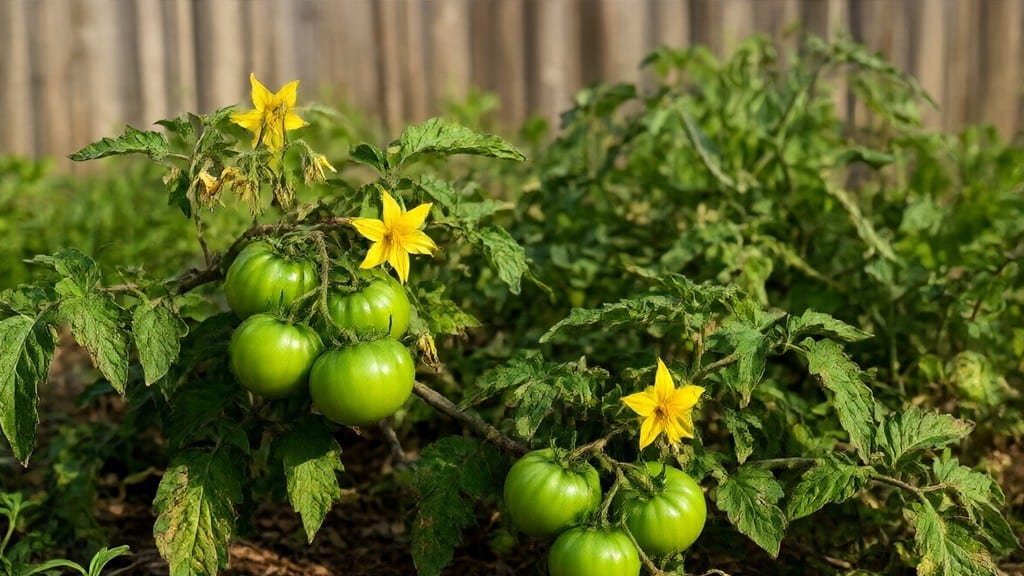
When your tomato flowers start dying before setting fruit, it’s usually a sign your plants are fighting something we can fix—something I’ve battled in my own garden. my head. The good news? Most causes have straightforward solutions, from adjusting watering to boosting pollination.
Here’s the thing—tomatoes need balance. Too much water or heat stress can cause flowers to fall off, while poor pollination or nutrient deficiencies send the same signal. I’ve learned that checking soil moisture with my finger (not just eyeballing it) makes all the difference.
A simple tweak in care can turn a struggling plant into a fruit-filled powerhouse.
By the end of this, you’ll know exactly how to revive your tomatoes. We’ll cover the most common reasons flowers die and the simple fixes that work—no complicated chemistry required. Your next harvest could be bigger than ever, starting with just a few adjustments.
This works for backyard gardens, containers, and even raised beds. Whether you’re dealing with wilting blooms or stubborn fruit drop, these tricks have saved my plants—and they’ll save yours too. Let’s get those flowers setting fruit again!
Why it happens
When your tomato flowers start dropping off before they can turn into plump, juicy tomatoes, it’s often a sign that something deeper is amiss. Understanding the why behind this frustration is the first step to saving your harvest.
Below, we break down the most common culprits—backed by science—and explain how they disrupt your plant’s ability to thrive.
🌡️ Extreme Temperature Swings
Tomatoes are heat-loving plants, but they’re also sensitive to sudden shifts. When nighttime temperatures dip below 55°F (13°C) or daytime highs exceed 90°F (32°C), your flowers can abort before pollination. This is called flower drop, and it’s triggered by hormonal changes in response to stress.
Why it happens:
- Cold stress: Low temps slow down enzyme activity, preventing pollen from forming or sticking to stigmas.
- Heat stress: High temps cause male sterility—the pollen grains fail to mature, leaving flowers empty.
- Wind chill: Even in warm weather, strong breezes can dehydrate flowers, causing them to wilt and fall.
Pro tip: 🌡️ Use row covers or shade cloth to buffer extreme temps, and water deeply at the base (not the leaves) to maintain humidity.
💧 Watering Woes: Too Much or Too Little
Tomatoes are thirsty, but inconsistent watering throws their entire system off balance. Flowers need steady moisture to develop—drought or overwatering can both lead to flower death.
Why it happens:
- Underwatering: Stress hormones like ethylene surge, causing flowers to drop. The plant prioritizes survival over fruit production.
- Overwatering: Soggy soil cuts off oxygen, leading to root rot. A compromised root system can’t supply nutrients to flowers, causing them to wither.
- Inconsistent watering: Fluctuating moisture levels disrupt pollination efficiency, as bees and wind struggle to transfer pollen in stressed plants.
Pro tip: 💧 Water early in the morning (1–1.5 inches per week) and use drip irrigation to keep soil evenly moist without drowning roots.
🌱 Nutrient Imbalances: Starving or Overfeeding
Tomatoes are heavy feeders, but too much (or too little) of the wrong nutrients can sabotage flowering. Nitrogen, phosphorus, and potassium all play critical roles—but get the mix wrong, and your plant will focus on leaves or stems instead of blooms.
Why it happens:
| Nutrient Issue | Effect on Flowers | Scientific Reason |
|---|---|---|
| Too much nitrogen (N) | Lush foliage, but no flowers or weak blooms. | Nitrogen promotes vegetative growth, suppressing floral initiation hormones like florigen. |
| Low phosphorus (P) | Flowers form but drop early or fail to pollinate. | Phosphorus is essential for energy transfer in cells; deficiency stalls flower development and pollen viability. |
| Potassium (K) deficiency | Flowers wilt or turn brown before opening. | Potassium regulates water and nutrient uptake; without it, cells can’t maintain turgor pressure, leading to dehydration. |
| Calcium or boron deficiency | Flowers blossom end rot (dark spots) or fail to set fruit. | These minerals are crucial for cell wall stability and pollen tube growth. |
Pro tip: ✨ Use a balanced fertilizer (like 5-10-10) at the first sign of blooms, and add crushed eggshells or boron supplements if soil tests show deficiencies.
🐝 Pollination Problems: Nature’s Missed Connections
Even healthy flowers need a little help to turn into tomatoes—and if pollination fails, they’ll drop like they never existed. Tomato flowers are self-pollinating, but they rely on wind, bees, or gentle shaking to transfer pollen.
Why it happens:
- Lack of pollinators: Bees avoid plants treated with neonicotinoids or those grown in urban areas with few flowering plants.
- Poor wind conditions: Still air or greenhouse environments prevent pollen from reaching stigmas.
- Flower structure issues: Some tomato varieties (like cherry tomatoes) have closed blossoms that need manual assistance to open.
- Pollen infertility: Stress from drought, heat, or pests can create sterile pollen that won’t stick.
Pro tip: 🐝 Hand-pollinate by gently shaking plants in the morning or use a soft paintbrush to transfer pollen between flowers.
🦠 Pests and Diseases: Silent Saboteurs
Not all threats are visible—but some of the worst offenders, like hornworms or fungal infections, can devour or weaken flowers before you notice. Even aphids sucking on new buds can stunt growth.
Why it happens:
- Chewy pests (hornworms, slugs): They physically destroy flowers and buds, preventing pollination.
- Sap-suckers (aphids, whiteflies): They inject toxins that disrupt hormonal signals for flowering.
- Fungal diseases (early blight, powdery mildew): They clog stomata (leaf pores), reducing the plant’s ability to absorb CO₂ and produce energy for blooms.
- Bacterial infections (e.g., bacterial wilt): They block xylem vessels, starving flowers of water and nutrients.
Pro tip: 🔥 Inspect leaves daily for pests, and apply neem oil or Bt (Bacillus thuringiensis) for organic control. Remove infected foliage immediately to prevent spread.
How to solve it
If your tomato flowers are wilting or dropping off before setting fruit, don’t panic—there are practical, step-by-step solutions to revive them. Below, we’ve matched common causes to their fixes, so you can act fast and prevent future heartbreak. 🌱💦
🔥 1. Fix Overwatering or Poor Drainage
If your soil is soggy or waterlogged, tomato roots suffocate, starving flowers of oxygen and nutrients. Action steps:
- 🍳 Check soil moisture: Stick your finger 1-2 inches deep—if damp, wait to water. Tomato plants prefer consistent moisture, not puddles.
- 👨🍳 Improve drainage:
- Amend heavy clay soil with compost or perlite (1 part organic matter to 3 parts soil).
- Raise containers off the ground with pot feet or bricks to allow airflow.
- ⏰ Water smarter: Use a drip irrigation system or water at the base of the plant in the morning to avoid evening dampness (which invites disease).
💡 Prevention tip: Mulch with straw or shredded leaves to retain moisture without suffocating roots.
🌡️ 2. Adjust Temperature & Humidity Swings
Tomato flowers are sensitive to extreme heat or cold—dropping below 55°F or above 90°F can cause them to abort. Action steps:
- 🌿 Provide shade cloth: If temps hit 85°F+, drape 30-50% shade fabric over plants for 2-3 hours in the afternoon.
- 💦 Boost humidity (for dry climates):
- Place a tray of water near plants and mist leaves lightly in the morning.
- Group tomato plants together to create a microclimate.
- ❄️ Protect from frost: Cover plants with frost blankets if night temps dip below 50°F.
🎯 Prevention tip: Choose heat-tolerant varieties like ‘Solar Fire’ or ‘Heatmaster’ if you live in a hot climate.
🔪 3. Prune & Support for Better Airflow
Crowded foliage traps moisture, inviting fungal diseases (like blossom end rot) that kill flowers. Action steps:
- 🌿 Prune strategically:
- Remove suckers (side shoots) below the first flower cluster to redirect energy.
- Trim yellow or diseased leaves immediately with sterilized pruners.
- 🏗️ Add support: Use cages or stakes to keep plants upright—this improves airflow and sunlight penetration.
- 🌞 Thin plants: If growing in containers, space seedlings 18-24 inches apart.
✨ Prevention tip: Rotate plants occasionally to ensure even sunlight exposure.
🌱 4. Fertilize for Flower & Fruit Power
Nutrient deficiencies (especially phosphorus and calcium) cause flowers to drop. Action steps:
- 📊 Use a balanced fertilizer: Switch to a 5-10-10 or 10-20-20 formula (high in phosphorus) when flowers appear.
- 🥗 Add compost tea: Brew a compost tea (1 part compost to 5 parts water, steep 24 hours) and spray foliage weekly.
- 💪 Boost calcium: Mix 1 tbsp crushed eggshells or lime into the soil monthly.
💡 Prevention tip: Avoid high-nitrogen fertilizers (like lawn food) after flowering—they promote leafy growth at the expense of fruit.
🐞 5. Control Pests & Diseases
Insects (like hornworms) and pathogens (like early blight) can destroy flowers overnight. Action steps:
- 🔍 Inspect daily: Look for chewed leaves, black spots, or sticky residue (signs of pests/disease).
- 🛡️ Use organic sprays:
- Neem oil (1 tsp + 1 quart water + soap) for aphids/mites.
- Bacillus thuringiensis (Bt) for hornworms.
- Copper fungicide for blight (apply at first sign).
- 🐝 Encourage pollinators: Plant basil or marigolds nearby to attract bees and beneficial insects.
🎯 Prevention tip: Rotate crops yearly to prevent soil-borne diseases.
With these fixes, your tomato plants should rebound quickly—and you’ll be on your way to a bountiful harvest! 🍅🌟 For stubborn cases, combine 2-3 solutions (e.g., prune + fertilize + adjust watering) for faster results.
Frequently asked questions
Why are my tomato flowers dying before they turn into fruit?
Tomato flowers often drop due to stress—think of it as their way of saying "I can't handle this right now!" Common culprits include extreme temperatures (below 55°F or above 90°F), inconsistent watering, nutrient imbalances, or poor pollination. Even pests like aphids or fungal diseases can disrupt the process. Checking soil moisture with your finger and adjusting care can often reverse the issue quickly.
How can I tell if my tomato plants are getting enough water?
Stick your finger about 1-2 inches into the soil—if it feels damp, hold off on watering. Tomatoes prefer consistent moisture, not soggy roots. Water deeply in the morning at the base of the plant, avoiding leaves to prevent disease. Mulching with straw helps retain moisture while keeping roots happy.
Can I save my tomato plants if the flowers are already dying?
Start by addressing the most likely issue—check your watering routine first. If temps are extreme, use shade cloth or frost blankets. Add a balanced fertilizer (like 5-10-10) to boost nutrients, and hand-pollinate flowers with a soft brush if bees aren't visiting. Often, plants rebound within a week if you act fast!
Why do some tomato varieties set fruit while others don’t?
Heat-tolerant varieties like ‘Solar Fire’ or ‘Heatmaster’ handle high temps better than sensitive types. Some plants also struggle with poor pollination—try gently shaking the plant or using a paintbrush to transfer pollen. Container-grown tomatoes may need extra care for airflow and nutrients compared to in-ground plants.
Is there a natural remedy to prevent flowers from dropping?
Yes! Mix 1 tablespoon of crushed eggshells into the soil monthly to boost calcium, and spray compost tea (1 part compost to 5 parts water) weekly. Neem oil sprays can also deter pests while supporting flower health. These organic fixes work alongside proper watering and temperature management for best results.