
Trees
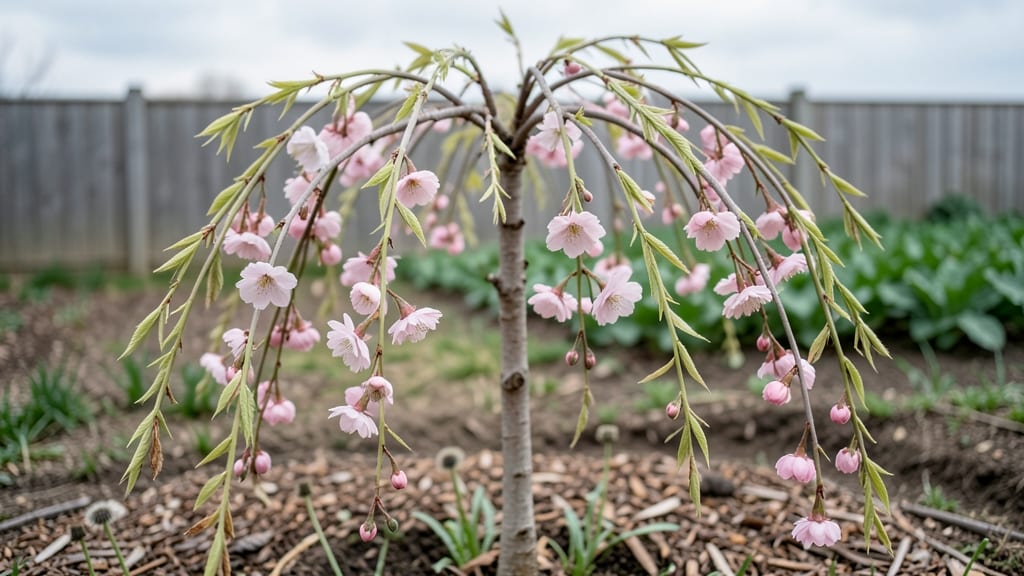
Growing a weeping flowering peach 🌸 in containers lets you enjoy its stunning spring blooms without the space of a full yard.
Imagine a stunning weeping flowering peach tree cascading with delicate blossoms—now picture it thriving in a stylish container on your patio or balcony. These dwarf varieties bring the beauty of ornamental fruit trees to small spaces, but they need the right care to flourish.
From choosing the perfect container to mastering pruning techniques, this guide covers everything you need to know to keep your weeping flowering peach healthy and blooming year after year. Whether you're a beginner or a seasoned gardener, these tips will help you avoid common pitfalls and maximize your tree's potential.
Discover how to select the best dwarf varieties, create ideal growing conditions, and maintain your tree for vibrant spring flowers and even a small harvest. Let’s get started!
Choosing the best dwarf weeping flowering peach varieties for containers
Dwarf weeping flowering peach trees bring dramatic cascading blooms and edible fruit to small gardens and patios. The key to success in containers lies in selecting the right cultivar—one that thrives in limited space while delivering stunning ornamental value and fruit production.
Not all weeping peaches are created equal, so let's explore the top container-friendly varieties that balance beauty, hardiness, and manageable size.
When shopping for dwarf weeping peaches, prioritize rootstock type and cold hardiness. Most container varieties are grafted onto dwarfing rootstocks like Lovell or Nemaguard, which restrict root growth and keep the tree compact.
These rootstocks also improve disease resistance and nutrient uptake—critical factors for potted trees with limited soil volume. Always verify the rootstock with your supplier, as mislabeled trees can outgrow containers quickly.
Here’s how the top dwarf weeping peach varieties compare for container growing, including their bloom times, fruit potential, and cold tolerance:
For container growing, the 'UFO' peach stands out as the most compact option, reaching just 5-7 feet tall with a 6-8 foot spread. Its weeping habit makes it perfect for hanging baskets or large patio planters, though it produces minimal fruit.
If you want edible peaches, 'Bonanza Red' is the best choice, offering large, juicy fruit and prolonged blooms in late April.
The 'Frostproof' variety is ideal for colder climates, thriving in Zone 4 with minimal winter protection. Its delayed bloom time helps avoid late spring frosts, which can damage flowers and reduce fruit set.
However, its spread of 7-9 feet requires a wide container (at least 36 inches in diameter) to accommodate its horizontal growth.
When sourcing your dwarf weeping peach
Container gardening essentials for weeping flowering peach trees
Growing a weeping flowering peach in containers transforms your patio into a fragrant paradise, but it demands careful planning. These trees need adequate root space, proper drainage, and nutrient-rich soil to thrive.
Without the right setup, you risk stunted growth, poor blooms, or even root rot—so let's tackle the essentials step by step.
First, prioritize container size and material. A 15-20 gallon pot is ideal for dwarf varieties, with fabric or ceramic containers offering better airflow than plastic. The pot must be at least 18 inches deep to accommodate the tree's root system while preventing root binding.
- 🪴 Container Size & Material
- ✔ Minimum 15-gallon pot for dwarf varieties
- ✔ Fabric or ceramic preferred over plastic
- ✔ 18"+ depth to prevent root binding
- ✔ Add 2-3 drainage holes at the base
- 💧 Drainage Solutions
- ✔ Layer 3-4" gravel at the bottom
- ✔ Use terracotta pots for extra evaporation
- ✔ Elevate container 1-2" off ground for airflow
- 🌱 Soil Composition
- ✔ Mix 60% well-draining soil (cactus/succulent blend)
- ✔ Add 30% compost for nutrients
- ✔ Include 10% perlite for aeration
- ✔ Maintain slightly acidic pH (6.0-6.5)
- 🌡️ Seasonal Care Adjustments
- ✔ Spring: Fertilize with 10-10-10 every 4 weeks
- ✔ Summer: Water deeply bi-weekly (morning)
- ✔ Fall: Reduce watering; mulch roots
- ✔ Winter: Move to unheated garage if temps drop below 20°F
Your soil mix is the foundation for healthy growth. A blend of 60% well-draining potting soil, 30% compost, and 10% perlite mimics their natural habitat while preventing compaction.
Test your soil's pH—weeping peaches thrive in slightly acidic conditions (6.0-6.5). If your mix is too alkaline, amend with sulfur or peat moss to adjust.
Seasonal adjustments are critical for container-grown trees. In spring, fertilize with a balanced 10-10-10 every 4-6 weeks to fuel blooms. During summer, water deeply in the morning to prevent fungal issues, and reduce frequency as temperatures drop in fall.
For winter, move your container to a sheltered spot or garage if temperatures dip below 20°F.
Watch for root binding—a common issue in containers. If roots circle the pot's edges, it's time to repot into a larger container or prune roots gently before transplanting.
Yellowing leaves or stunted growth often signal nutrient deficiencies, which can be fixed with a chelated iron supplement or Epsom salt for magnesium.
With these container essentials mastered, your weeping flowering peach will reward you with abundant blooms and even a few sweet fruits—all while adding elegance to your space. 🌸