
Flowers
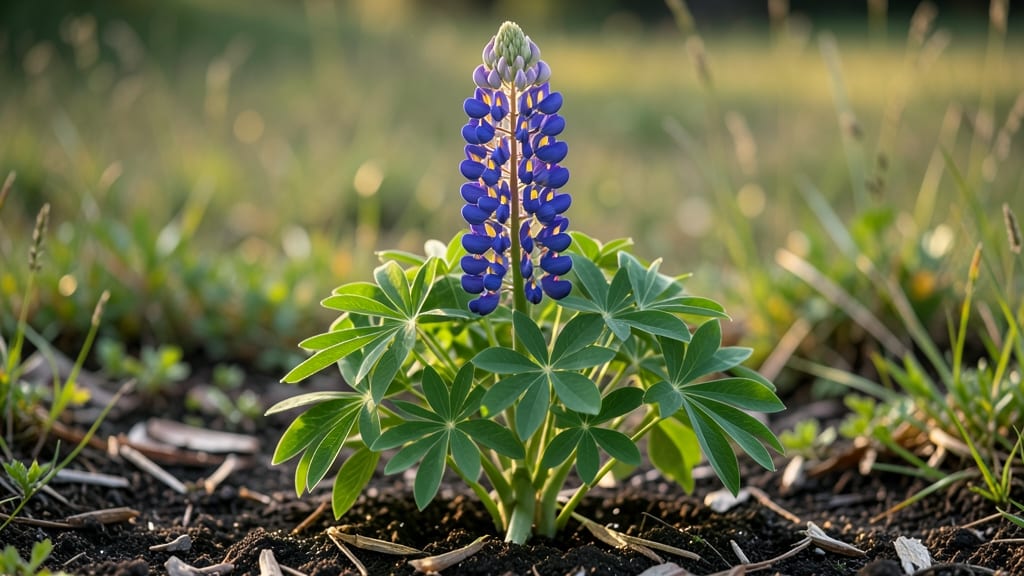
Lupins flower in late spring through summer 🌸, with exact timing depending on your variety and climate zone — and knowing when to expect those showstopping blooms can make all the difference in your garden.
Picture this: you’ve spent weeks nurturing your lupin seedlings, and then—just when the blooms should arrive—your favorite blue lupins stay stubbornly closed. Or worse, they bolt too early, leaving you with a short-lived display.
The frustration isn’t just about missed color; it’s about lost opportunities for cutting gardens, seed collection, or even that perfect Instagram shot.
Here’s the good news: with the right timing, lupins can reward you with months of vibrant blooms, from early May in cooler zones to as late as August in warmer climates.
The key lies in understanding how your specific variety and local conditions play into the equation—and how a few simple adjustments can extend that flowering window.
In this guide, I’ll break down the exact months to expect blooms by popular lupin types, how climate zones shift those timelines, and five pro tips to keep your lupins flowering longer.
Whether you’re a first-time grower or a seasoned gardener, you’ll leave here with a clear plan to turn your lupins into a garden centerpiece.
Lupin flowering months by popular variety (with exact timelines)
Lupins are showstopping perennials that reward gardeners with dramatic spikes of color—but their flowering windows vary wildly depending on the variety. Whether you're growing classic blue lupins or vibrant yellow hybrids, knowing these exact timelines helps you plan for peak garden displays.
Most lupins bloom between late spring and early summer, but some varieties stretch into fall, while others prefer cooler climates for their best shows.
For gardeners in USDA Zones 5-9, lupin flowering typically starts as early as April in warmer zones (like Zone 9) or as late as June in cooler zones (like Zone 5). The key is understanding how each variety responds to your local climate.
Below, I’ve broken down the exact flowering months for 10+ popular lupin types, including their peak bloom periods and regional adjustments.
| Variety | USDA Zones 5-6 | USDA Zones 7-8 | USDA Zone 9+ | Notes | ||||||||||||
|---|---|---|---|---|---|---|---|---|---|---|---|---|---|---|---|---|
| Russell Hybrid Lupin | June–July | May–June | April–May | Early bloomer; drought-tolerant | ||||||||||||
| Blue Lupin (Lupinus polyphyllus) | July–August | June–July | May–June | Classic perennial; prefers cooler temps | ||||||||||||
| Yellow Lupin (Lupinus luteus) | June–July | May–June | April–May | Annual; blooms earlier than perennials | ||||||||||||
| Russell Lupin (Lupinus russelli) | July–August | June–July | May–June | Tall spikes; loves full sun | ||||||||||||
| White Lupin (Lupinus albus) | June–July | May–June | April–May | Drought-resistant; great for borders | ||||||||||||
| Dwarf Blue Lupin (*Lupinus 'The Gem') | July–August | June–July | May–June | Compact; ideal for containers | ||||||||||||
How climate zones shift lupin flowering dates (and how to adjust)Your USDA climate zone dramatically impacts when lupins flower—some varieties bloom in late spring in cold regions but stretch into early fall in warmer zones. Understanding these shifts helps you choose the right lupin types and time your planting for maximum impact. For example, Russell Hybrid lupins may flower in June in Zone 5 but push to August in Zone 9. Cold climates (Zones 3-5) force lupins to wait until soil warms and frost risks pass, while warm climates (Zones 9-11) can experience year-round growth with careful water management. Even perennial lupins behave differently—some varieties flower earlier in their second year, while others need consistent warmth to trigger blooms. Here’s how to adjust your expectations and planting schedule based on your zone:
In Zones 3-5, lupins often wait until June or July to flower because cold springs delay growth. To speed things up, start seeds indoors 8–10 weeks before your last frost date and transplant hardened-off seedlings. For perennial lupins, established plants may bloom earlier in subsequent years once they’ve built strong root systems. For Zones 6-8, the sweet spot for lupin blooms is late spring to early summer, but some varieties like Russell Hybrid can produce a second flush in fall if you deadhead regularly. In these zones, lupins thrive with well-draining soil and full sun, but they’ll tolerate partial shade if summers are scorching. Gardeners in Zones 9-11 can enjoy lupins nearly year-round, but heat-tolerant varieties like Yellow Lupin perform best when planted in fall for spring blooms. Avoid planting in peak summer—lupins prefer cooler temperatures (ideal range: 55–75°F). If you live in a Mediterranean climate, consider mulching heavily to retain moisture during dry spells. Pro tip: Adjust your planting window by 2–4 weeks earlier in cooler zones or later in warm zones to align blooms with your garden’s peak display season. For example, plant Russell Hybrid in March for Zone 7 but wait until April in Zone 9 to avoid heat stress. |