
Blooming
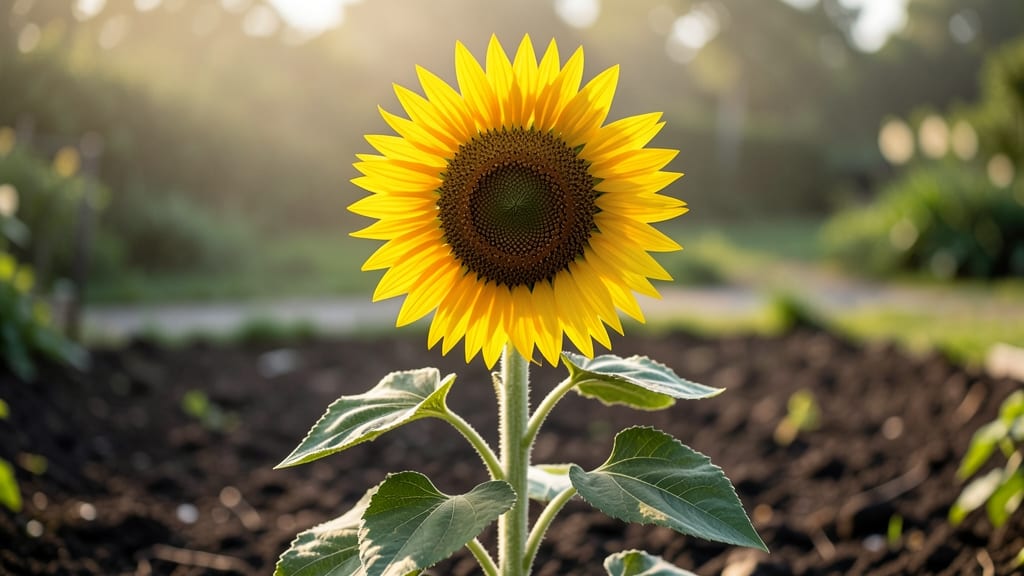
Sunflowers in Illinois bloom between late June and early September, but the exact timing depends on your USDA zone and planting date.
Picture this: you’ve just planted your 🌻 seeds in mid-April, eager for summer color, only to wonder why they’re not blooming when your neighbor’s garden is already bursting with golden faces. The answer lies in your local climate and the variety you chose.
In Zone 5a, where frosts linger longer, sunflowers typically bloom in late July or August, while gardeners in Zone 6b may see flowers as early as June. Even within the same zone, planting in May versus June can shift bloom times by weeks.
Below, I’ll break down the exact months for each Illinois zone, share tips to adjust bloom timing, and recommend the best varieties for your garden’s timeline.
Sunflower bloom timelines by Illinois USDA zones (5a–6b)
Sunflowers are one of the most rewarding summer blooms in Illinois, but their bloom timing shifts dramatically across USDA Zones 5a–6b. In Zone 5a, gardeners typically see late July–August blooms, while Zone 6b sunflowers often peak in June–July.
These differences stem from frost dates, summer heat intensity, and variety selection. Understanding your zone’s timeline helps you plan for maximum summer color and even extended harvests.
Climate plays a critical role in sunflower development. Heat tolerance varies by variety, but most Illinois sunflowers thrive with consistent daytime temps above 70°F. Frost sensitivity is another key factor—even a light frost in September can damage late-season blooms.
In Zone 5a, where frosts linger longer, gardeners often opt for earlier-maturing varieties to avoid autumn chill. Meanwhile, Zone 6b’s warmer summers allow for longer bloom windows and even second plantings.
Here’s a quick breakdown of what to expect in each zone, including peak bloom months and climate considerations:
If you’re in Zone 5a, aim to plant sunflower seeds by May 15 to ensure blooms align with your late July–August window. Zone 6b gardeners have more flexibility—they can even start seeds indoors in early April for June blooms.
The key is matching your variety’s maturity days (typically 50–120 days) to your zone’s frost-free period. For example, 'Russian Giant' takes 100–120 days to bloom, making it ideal for Zone 6a–6b.
Don’t overlook microclimates—even within Illinois, urban areas or south-facing gardens may experience earlier blooms than rural spots. I’ve seen Zone 5b sunflowers in Chicago’s Lincoln Park bloom a full 2 weeks earlier than those in rural southern Illinois due to urban heat islands.
To test your microclimate, plant a test row in April and monitor growth rates.
For gardeners in Zone 5a, heat waves in July can accelerate blooming, while cooler summers may delay flowers until early August. In Zone 6b, extended heat beyond 90°F can stress sunflowers, causing premature wilting.
To combat this, I recommend mulching with straw to retain soil moisture and watering deeply in the morning to reduce evaporation. Drought-tolerant varieties like 'Sunspot' are excellent choices for Zone 6a–6b.
Another pro tip: Succession planting can extend your sunflower display by 4–6 weeks. In Zone 5b–6a, I plant a second batch in early June to enjoy blooms through September. Just ensure your last frost date has passed—planting too early risks seedling damage from late frosts.
For Zone 6b, you can even try a third planting in mid-June for late-summer color.
Watch for pest pressure during bloom time—Zone 5a–5b gardens often see sunflower moths in August, while Zone 6b may deal with bird damage as seeds ripen.
I’ve had success using row covers for early plantings and neem oil sprays during peak bloom. Deadheading spent blooms can also encourage secondary flowers on some varieties, like 'Autumn Beauty'.
Finally, remember that soil fertility impacts bloom timing. Sun
How to adjust planting dates for early or late blooms in Illinois
Adjusting your sunflower planting dates in Illinois lets you control bloom timing for stunning displays. In USDA Zone 5a, where frosts linger longer, choose cold-hardy varieties like 'Autumn Beauty' and plant seeds in late April to early May for July blooms.
Meanwhile, gardeners in Zone 6b can push the envelope by sowing in early March for June flowers.
For extended bloom seasons, try succession planting—sow seeds every 2-3 weeks from May through June. This ensures fresh blooms from July through September, even in cooler zones. Pair this with well-draining soil and consistent moisture to encourage faster growth and earlier flowering.
🌻 Key Tip: Always plant after your last frost date, which in Illinois typically falls between mid-April and early May. Use a soil thermometer to confirm the ground has warmed to 55°F or above—sunflowers need warmth to germinate quickly.
- 1. Choose early varieties like 'Teddy Bear' (50-60 days to bloom) for June flowers in Zone 6b.
- 2. Use black plastic mulch to warm soil by 5-10°F, speeding germination by 1-2 weeks.
- 3. Plant in raised beds for warmer soil—ideal for Zone 5a gardeners pushing for earlier blooms.
- 4. Water deeply at planting (1-2 gallons per plant) to establish roots faster and trigger earlier flowering.
- 5. Fertilize lightly with 10-10-10 when seedlings are 1-2 feet tall to boost growth without delay.
Optimizing sunlight exposure is another game-changer. Sunflowers need 6-8 hours of direct sun, but south-facing beds get the most light. If your garden lacks full sun, try dwarf varieties like 'Moulin Rouge' (3-4 feet tall) that thrive in partial shade while still producing vibrant blooms.
For late-season blooms, plant tall varieties like 'Russian Giant' in late May. These need more time to mature but reward you with September-October flowers, extending your garden's color palette. Pair them with annuals like zinnias for a fall display that lasts until frost.
Finally, monitor your local microclimate. Areas near lakes or rivers may experience earlier springs, while inland spots stay cooler. Use a garden journal to track bloom times yearly—this helps you refine planting dates for perfect timing in future seasons. 🌿