
Plants
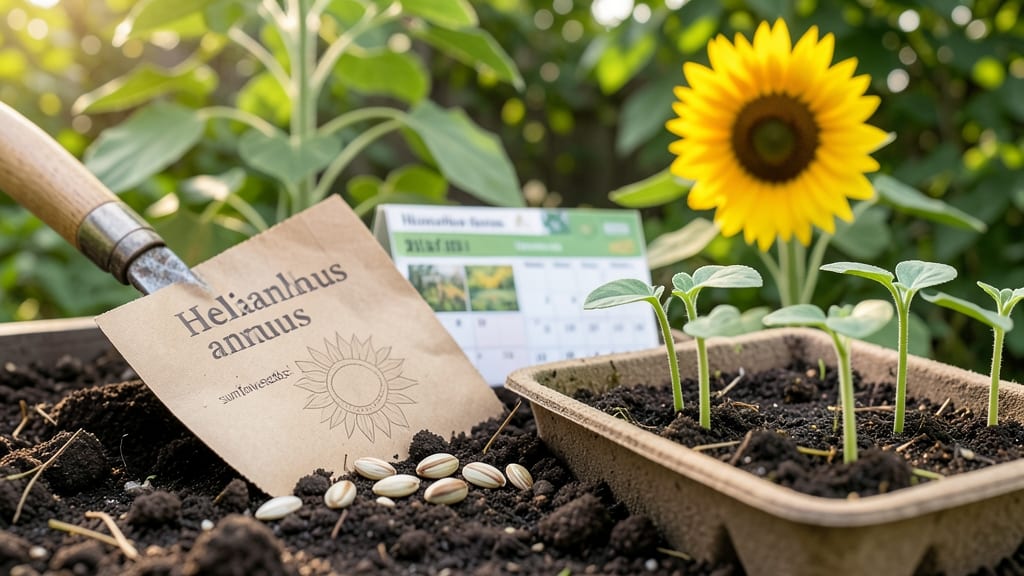
Plant sunflower seeds in Ohio after your last frost date — typically between April 15 and June 1 — to give those towering 🌻 blooms the longest growing season possible.
Ohio’s unpredictable spring weather can make sunflower planting tricky—plant too early, and frost will strike; too late, and your blooms may miss peak summer beauty. Timing matters more than you think for those towering, cheerful flowers.
In USDA Zone 6a, where most of Ohio falls, soil temperatures need to reach at least 55°F before seeds sprout reliably. That usually happens in mid-April, but cooler springs can push it into May.
Below, I’ll break down the exact planting windows for your region, the best sunflower varieties for Ohio’s climate, and how to adjust for late frosts or early heat waves to get the fastest, most vibrant blooms.
Ohio’s best sunflower planting timeline by hardiness Zone
Ohio’s diverse climate—from Cleveland’s cool Zone 6a to Columbus’s warmer Zone 6b—means sunflower planting windows shift by 1-2 weeks across the state. Getting the timing right ensures frost-free growth and peak summer blooms before fall frost arrives.
Unlike heat-loving southern states, Ohio’s short growing season demands precise planning to maximize those towering 10-14 foot stalks.
Your last frost date is the golden rule: wait until soil temps hit 55°F (measured 2 inches deep) to sow seeds. In Zone 5 (like Youngstown), this often lands in late April to early May.
By Zone 7 (Cincinnati), you might start as early as mid-April. But don’t rush—cold soil delays germination by weeks, leaving your sunflowers playing catch-up all summer.
Pro Tip: Use a soil thermometer ($10 at garden centers) to confirm readiness. If temps dip below 50°F, cover seeds with black plastic mulch to warm the soil faster. This trick can shave 10-14 days off your growing season, crucial for late-blooming varieties like Russian Giant.
Here’s your Ohio-specific planting timeline, broken down by zone and key milestones to ensure blooms by July 4th or earlier:
For fastest growth, aim to plant 60 days before your first expected frost. In Columbus (Zone 6b), that’s around June 15 for late varieties—but don’t wait too long.
Sunflowers need 80-100 days to mature, and Ohio’s short summer leaves little room for error. ProCut varieties mature in just 50-55 days, making them ideal for late May plantings.
If you’re in Zone 5 or 6a, consider starter plants instead of seeds. Transplanting 2-3 inch seedlings (available at local nurseries by early May) skips the slow germination phase and gives your sunflowers a 3-week head start.
Just harden them off for 5-7 days before planting to avoid transplant shock.
Watering deeply once a week (1-2 gallons per plant) after germination is critical. Ohio’s humid summers can lead to powdery mildew if foliage stays wet—always water at the base of the plant in the morning.
Mulch with straw or grass clippings to retain moisture and suppress weeds, which compete for nutrients.
Don’t overlook second plantings! In Zones 6b and 7, sow a second batch in late June for fall blooms. Choose short-day varieties like ‘Teddy Bear’ (3-4 feet tall) to avoid flopping in winds. These late plantings often produce smaller but hardier blooms that last into October.
Mark your calendar for October 15—that’s Ohio’s average first frost. If your sunflowers haven’t bloomed by then, harvest the seeds early by cutting heads and drying them indoors. The back of the head should turn yellow before seeds are ready to store.
This trick lets you enjoy homegrown sunflower seeds even if the stalks don’t stand tall all season.
For maximum impact, group sunflowers in odd-numbered clusters (3, 5, or 7 plants). This creates a natural focal point in your garden while ensuring cross-pollination for robust seed production. Pair them with companion plants like basil or marigolds to deter pests and boost growth.
How to adjust sunflower planting for Ohio’s unpredictable weather
Ohio’s unpredictable spring weather can turn your sunflower dreams into disappointment if you’re not prepared. Frost warnings in May or sudden heatwaves can derail even the best-laid plans. The key to success? Flexible strategies that protect your plants while maximizing your growing season.
I’ve learned the hard way that cold-hardy varieties and simple soil warming tricks can make all the difference. For example, my Mammoth sunflowers thrived last summer after a late frost—thanks to a few proactive steps I’ll share below.
🌱
⚠️ Ohio’s Frost Risk Window
Ohio’s last average frost date is April 15, but late frosts can occur through May 10—especially in Zone 5 areas like Cleveland. Never plant before May 1 unless you’re using row covers or cold frames.
For second plantings in late summer, I always use Teddy Bear sunflowers—they’re faster-maturing and handle cooler temps better than giant varieties. Start these seeds indoors 6-8 weeks before your target transplant date (usually July 15 for Ohio’s Zone 6 regions).
Another game-changer? Black plastic mulch to warm the soil. Lay it down 2 weeks before planting—it raises soil temps by 5-10°F, helping seeds germinate faster. Just remember to remove it after harvest to prevent next year’s weeds.
If frost threatens after germination, row covers are your best friend. Lightweight fabric (like frost cloth) lets sunlight through while shielding delicate seedlings. I’ve saved entire rows this way—just secure the edges with bricks or soil to prevent wind damage.
For container growing, move pots to sheltered spots during cold snaps. Sunflowers in 5-gallon buckets can be wheeled into garages at night if temps drop below 45°F. Just remember to harden them off before returning them outside!