
Flowers
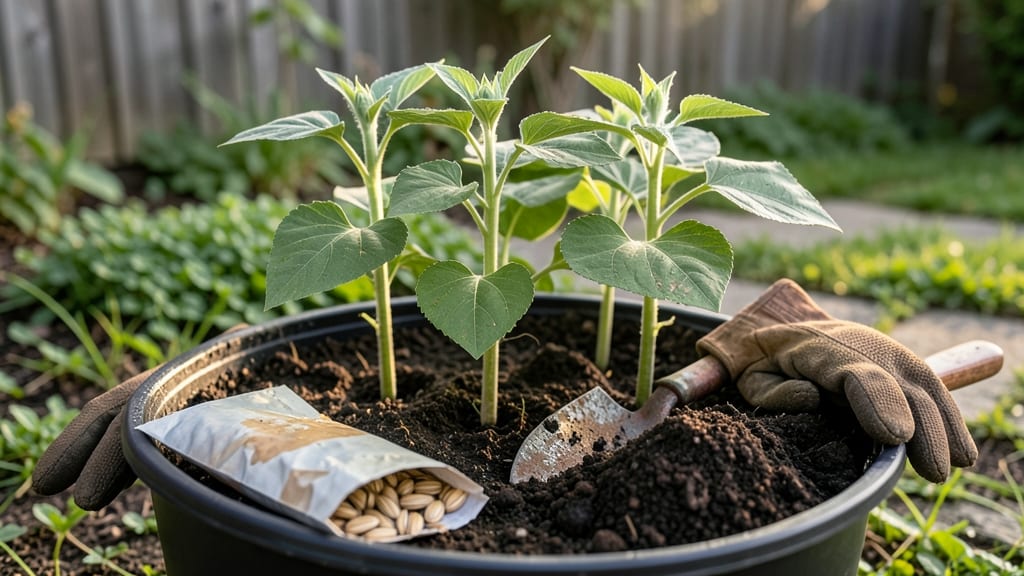
Planting sunflowers in Oklahoma after the last frost—typically between late April and early June—sets the stage for towering blooms that thrive in the state’s 6a-8a climate.
Here’s the catch: get it wrong, and you’ll end up with leggy stems or flowers that bolt before they open. In Zone 7a-7b, where many Oklahoma gardeners live, the window is narrow, and late frosts or early heat can throw off even the most eager planter.
Below, I’ll break down the exact months to plant for your region, how to prep soil for Oklahoma’s unpredictable weather, and which sunflower varieties handle the heat best—so you can avoid the common mistakes that turn promising seedlings into flops.
You’ll also discover how to stretch your growing season with succession planting, when to fertilize for maximum height, and why mulching in Oklahoma’s dry spells makes all the difference between a 3-foot sunflower and one that reaches for the sky.
Best planting months for sunflowers in Oklahoma (Zone 7a-7b)
In Oklahoma’s USDA Zones 7a-7b, sunflowers (🌻) need precise timing to thrive. The last average frost typically falls around March 15 in Zone 7a and April 1 in Zone 7b, but microclimates—especially in western Oklahoma—can push this back.
Planting too early risks frost damage, while waiting too long may stunt growth before the summer heat sets in.
Your best window for direct sowing is mid-April to early May, aligning with soil temperatures above 55°F. For transplants or indoor starts, begin seeds in early March to give them a 4-6 week head start before transferring outdoors.
This strategy ensures your sunflowers reach their full height potential—from 3-foot dwarfs to 16-foot giants—before Oklahoma’s hot, dry summers peak.
Oklahoma’s unpredictable weather adds complexity. Late frosts in April or early heatwaves can derail your plans, so monitor local frost forecasts from the Oklahoma Mesonet. Succession planting in late July (for fall blooms) is another trick to extend your sunflower season, though these may mature more slowly due to shorter daylight hours.
Here’s your Oklahoma-specific planting timeline for sunflowers, broken down by zone and method:
For Zone 7a gardeners, the April 15 mark is critical—this is when the risk of frost drops below 10%.
Planting before this date in eastern Oklahoma (e.g., near Tulsa) risks seedling loss, while western Oklahoma (e.g., near Altus) can often start seeds 2 weeks earlier due to warmer microclimates. Always check the Oklahoma State University Extension for localized frost maps.
Sunflowers are fast growers, but their root systems need time to establish. In Zone 7b, where summers arrive earlier, aim to have seedlings 2–3 feet tall by June 1 to maximize bloom time.
If you’re growing ‘Russian Giant’ varieties, this means starting seeds indoors by March 1 or direct-sowing by late March.
Don’t overlook late-summer succession planting for a second harvest. Plant dwarf varieties like ‘Teddy Bear’ in late July to enjoy fall blooms before the first frost (mid-November in Zone 7a).
These sunflowers will mature more slowly due to shorter daylight, but they’ll still reward you with cheerful color as other plants fade.
Pro tip: Mulch heavily after planting to retain moisture and regulate soil temperature. Oklahoma’s summer heat can dry out soil quickly, and sunflowers are drought-tolerant once established, but young plants need consistent moisture.
Aim for 1–2 inches of water per week, applied deeply at the base to encourage strong root development.
If you’re in a high-altitude area (e.g., near Oklahoma City at 1,400+ feet), expect cooler nights that may delay germination. In these cases, use black plastic mulch to warm the soil 2–3°F faster than bare earth.
For low-lying areas (e.g., near Ardmore), focus on shade cloth during peak summer heat to protect young plants from heat stress.
Remember: Sunflowers love heat, but they hate soggy soil. Oklahoma’s unpredictable rain patterns can turn your garden into a muddy mess—raise beds or plant on slopes to improve drainage.
With the right timing and a little Oklahoma grit, your sunflowers will reach their full potential and turn heads (literally
How to adjust sunflower planting for Oklahoma’s unpredictable weather
Oklahoma’s weather can swing from late frosts in April to scorching heatwaves by June, making sunflower planting a delicate balance. While most gardeners aim for April–May sowing, microclimates and unpredictable patterns demand flexibility. I’ve learned that soil temperature and seedling resilience are just as critical as calendar dates.
One of my biggest lessons? Don’t rush planting just because the calendar says spring. Cold soil (below 50°F) can delay germination by weeks, leaving your sunflowers vulnerable to late frosts that still linger in Oklahoma’s Zone 7a areas. Patience here means stronger, healthier plants ready to face summer’s challenges.
⚠️ Oklahoma’s Frost Risk Window
Last frost dates: March 15 (Zone 7a) to April 15 (Zone 7b). Wait until soil reaches 55°F+—use a soil thermometer to confirm. Planting too early risks seed rot or stunted growth from cold stress. For early starts, use row covers or greenhouses until danger of frost passes.
To give your sunflowers a competitive edge, I recommend starting seeds indoors 2–3 weeks before your last frost date. Use biodegradable pots and transplant seedlings when they’re 3–4 inches tall. This head start lets them outpace weeds and establish roots before Oklahoma’s summer heat peaks.
Once outdoors, mulching is non-negotiable. A 3-inch layer of straw or wood chips retains moisture, regulates soil temperature, and suppresses weeds. In my garden, mulched sunflowers grow 20% taller than unmulched ones, thanks to consistent moisture during drought-prone July and August.
For heatwave resilience, focus on deep watering—1–2 inches per week—rather than frequent shallow watering. I’ve found that morning watering (before 10 AM) minimizes fungal diseases like powdery mildew, a common issue in Oklahoma’s humid summers. Drip irrigation systems work best for large patches.
If you miss the spring window, don’t despair—late summer planting (mid-August) still yields blooms before first frost. Choose fast-maturing varieties like ‘Teddy Bear’ (50–60 days) for extended harvests. Just be prepared to water deeply and protect seedlings from late-season pests like sunflower moths.
Pro tip: Monitor Oklahoma Mesonet forecasts for heat advisories and adjust watering accordingly. With these adjustments, your sunflowers will thrive despite Oklahoma’s whims—and reward you with vibrant blooms from summer through fall. 🌻