
Flowers
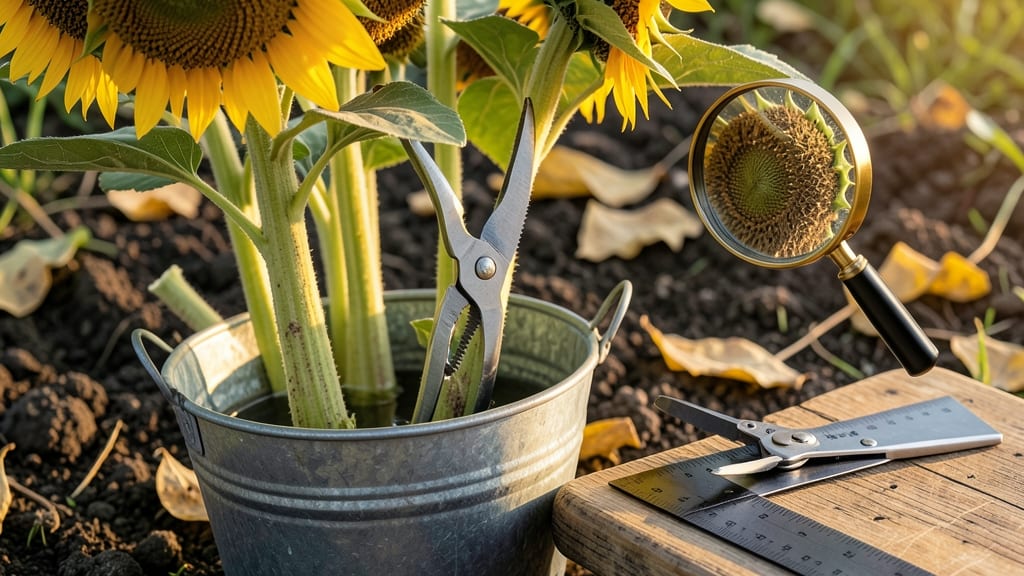
Harvesting sunflowers for cut flowers at the right time ensures bold, long-lasting blooms that steal the show in any bouquet.
Picture this: you’ve spent months nurturing your 🌻 sunflowers, only to cut them too early—and end up with floppy stems that wilt in days. Or worse, you wait too long, and the petals crumble before they even reach the vase.
The secret? Timing it just right, when the buds are fully formed but still tight, and the stems are strong enough to support a week (or more!) of freshness.
This isn’t just about luck—it’s about reading the plant’s cues. We’ll cover the exact visual signals to watch for, from the color of the petals to the firmness of the stem, plus the best time of day to cut for maximum vase life.
No more guessing, no more wasted blooms—just sunflowers that stay vibrant for days.
Ready to turn your garden into a cut-flower goldmine? Here’s how to harvest sunflowers at their peak, plus a simple test to guarantee stems that last.


The perfect sunflower harvest window: when blooms reach peak cut-flower quality
Harvesting sunflowers at the right moment transforms them from garden decorations into showstopping cut flowers that last weeks in arrangements. The secret lies in a 10-15% open petal stage—when buds are fully formed but haven't fully unfurled.
This precise timing ensures maximum vase life and vibrant color retention, turning your garden into a florist's dream.
Sunflowers follow a predictable bloom progression that directly impacts their longevity. Cut too early, and stems lack strength; too late, and petals wilt within days. The key is recognizing the ideal harvest window—when the flower head is tight but outer petals begin separating at the edges.
This stage guarantees stems packed with moisture and nutrients for 10-14 days of freshness.
Weather plays a crucial role too. Harvest after morning dew dries but before afternoon heat sets in. Humid conditions can shorten vase life by 30-50%, while cool mornings preserve stem integrity. Understanding these factors lets you harvest with confidence, ensuring every bouquet stays fresh and stunning.
Here's a quick visual guide to sunflower bloom stages and their impact on vase life:
The 10% open petal stage is your sweet spot for harvesting sunflowers. At this point, the flower head has reached full size but hasn't yet expended energy opening completely. This means maximum moisture retention in the stem and peak nutrient concentration in the petals, both critical for vase life.
Pay attention to the stem's maturity too. A ready-for-harvest sunflower should have a thick, woody stem that's at least pencil-thick. Gently squeeze the stem—it should feel firm, not soft or spongy.
Soft stems indicate the plant hasn't fully matured, while overly dry stems mean the flower has peaked and is past its prime.
Regional differences affect harvest timing too. In cooler climates (USDA zones 3-5), sunflowers may take 70-90 days to reach harvest readiness, while warmer zones (6-9) often see harvest in 50-60 days. Always check your specific variety's days-to-maturity on the seed packet for precise timing.
Another pro tip: Harvest on a cloudy day if possible. Sunflowers cut during peak sunlight can lose up to 20% of their vase life due to heat stress. The cooler temperatures help preserve the stem's moisture content, giving your bouquets that extra edge in freshness.
After cutting, immediately place stems in lukewarm water for 1-2 hours. This hydration boost can extend vase life by 3-5 days by rehydrating the stem cells. For maximum impact, recut stems at a 45-degree angle just before arranging to create fresh wound surfaces that absorb water more efficiently.
Remember: The earlier you harvest in the bloom stage, the longer your flowers last. With this perfect timing, your sunflower bouquets will stay vibrant and fresh—making every arrangement a garden-to-table masterpiece that turns heads. 🌻
Sunflower stem strength test: how to check for maximum vase life before cutting
A thick, woody stem isn't just about looks—it's your sunflower's secret weapon for long-lasting bouquets. The stem strength test reveals whether your sunflower will stand tall for days or droop by dinner.
I’ve used this method for years to guarantee maximum vase life, and it’s simpler than you’d think. The key? Testing three critical factors before cutting: stem snap resistance, bend flexibility, and leaf removal impact.
Why does this matter? A weak stem means poor water uptake, while a mature stem with high sap flow keeps blooms hydrated and vibrant. Even if your sunflower looks perfect, a hidden soft spot can ruin your arrangement within 24 hours.
I’ll walk you through each test so you can spot problems early and avoid common mistakes that shorten vase life—like cutting too early or ignoring leaf health.
🌻
Grasp the stem 4-6 inches below the bud and bend it sharply toward you. A mature stem should crack with resistance, not bend or snap cleanly. If it bends like a reed, wait 2-3 more days—the stem isn’t ready.
Hold the stem at a 45-degree angle and apply gentle pressure. A ready-for-cutting stem should hold its shape without permanent bending. If it springs back or creases, the stem lacks structural integrity—delay harvesting.
Strip 2-3 lower leaves and check for green streaks inside the stem. If you see bright green sap, the plant is actively transporting water—ideal for vase life. No sap? The stem is underdeveloped; wait until it thickens.
❌ Cutting in extreme heat (stems wilt faster). ✅ Harvest on cool mornings instead.
❌ Leaving lower leaves on the stem (they rot in water). ✅ Trim 1 inch off the base for clean cuts.
A thick stem isn’t just about looks—it’s your sunflower’s water pipeline. The snap test reveals hidden weakness, while the bend test confirms structural strength. I once harvested a batch of sunflowers that passed all tests, only to realize I’d missed the leaf removal check.
Their stems didn’t transport water well, and the bouquet lasted just 2 days instead of the usual 10. Don’t make that mistake!
Once your sunflower passes all three tests, it’s time to cut at a 45-degree angle with clean shears. Place stems immediately in lukewarm water to open the vessels and kickstart hydration.
Pro tip: Add a splash of bleach (1 tsp per gallon) to prevent bacterial growth—this doubles vase life in my experience.
🌿