
How To
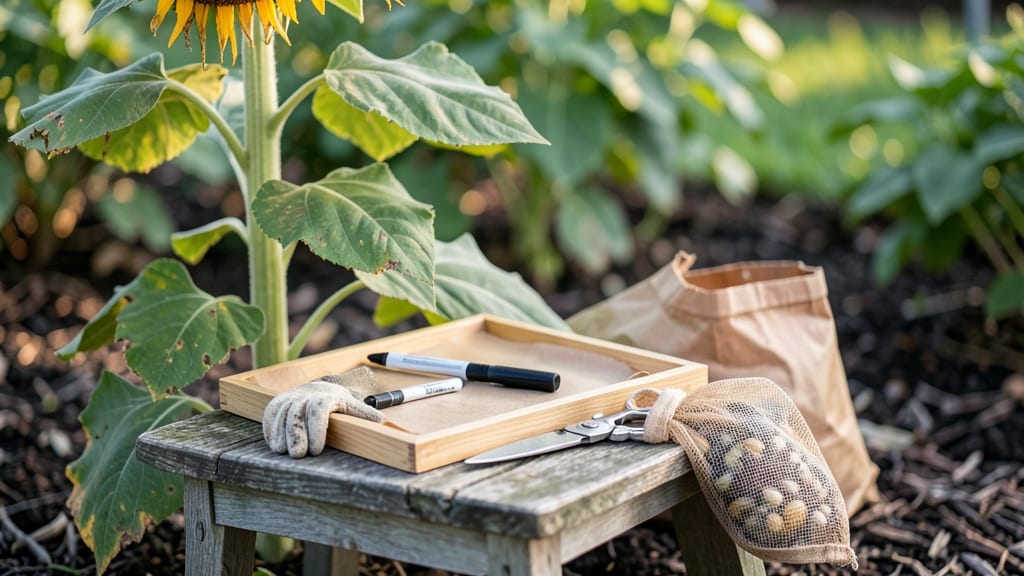
Picking sunflower seeds at the right time means waiting for the heads to turn golden brown and dry out completely—any earlier, and you’ll end up with damp, unusable seeds.
Sunflowers aren’t just stunning garden centerpieces—their seeds are a nutritious harvest waiting for the right moment. Picking them too early or too late can mean wasted effort, so knowing the exact signs to watch for is key to a bountiful yield.
Most gardeners miss the window because they focus on the wrong cues, like petal color instead of seed head dryness. The back of the head should be fully brown, the petals should have fallen off naturally, and the seeds should rattle inside when you shake the head gently.
In this guide, I’ll walk you through the three key signs of seed readiness, how to harvest them correctly, and the best storage methods to keep them fresh for months.


How to identify the perfect ripeness for sunflower seeds
Sunflowers reach their seed harvest peak when the back of the seed head turns a deep golden brown, signaling maturity. This transformation happens naturally as the plant redirects energy from blooming to seed production—typically 90-120 days after planting.
The petals will have already fallen off, leaving the seed head exposed to the elements, which is your first visual cue that harvest time is near.
Don't rely solely on color, though. The stem dryness is equally critical—when it feels hollow and papery when squeezed, the seeds inside are ready. This tactile test prevents the mistake of harvesting too early, which leads to underdeveloped seeds that won't store well or germinate properly.
I always test this by gently pressing the stem near the base; if it snaps easily, the seeds are likely mature.
Here’s the non-negotiable rule: Wait until the seed head rattle test passes. Shake the head over a white surface—if seeds fall out freely and sound hollow, they’re ready. If they stay stuck or feel damp, give it another 5-7 days. This simple test saves hours of drying time later.
| Ripeness Cue | Description | Action to Take |
|---|---|---|
| Seed Head Color | Deep golden brown (back of head) | Check for uniform brown across entire head |
| Petal Status | Fully fallen off | Remove any lingering petals to prevent mold |
| Stem Condition | Hollow, papery, snaps easily | Test by squeezing—no give means maturity |
| Rattle Test | Seeds rattle freely when shaken | Harvest immediately if 70%+ seeds fall out |
| Moisture Content | Dry to touch, no dampness | Store only if moisture <10% (use hygrometer) |
The seed head’s back is where you’ll find the most reliable clues. Look for a uniform golden-brown hue—not just patches. Some varieties, like 'Autumn Beauty', may show striped patterns, but the back should still be fully brown.
If you spot green streaks, the seeds aren’t ready yet; these indicate immature seed development.
Timing is everything, especially with frost-sensitive varieties. If your first frost date is approaching (typically late September in USDA Zone 6a), prioritize harvesting heads that are 80% brown—even if they’re not fully dry.
Cut the stems and hang them in a dry, dark place to finish maturing. This prevents frost damage, which can ruin your entire harvest overnight.
One common mistake I see is overlooking the seed head’s base. The lowest seeds near the stem are often the first to mature. If these are brown and dry while the top remains green, harvest the whole head—the remaining seeds will finish drying indoors.
This two-tier maturity is normal, but ignoring it can lead to uneven seed quality.
For large varieties like 'Russian Giant', which can reach 14 feet tall, use a pruning saw to cut stems 6-12 inches above the head. This prevents the heavy head from toppling over during transport.
Smaller varieties, like 'Teddy Bear' (2-4 feet), can be harvested by hand. Always wear gloves—sunflower seeds can stain skin and attract pests.
Finally, avoid harvesting in damp conditions. If the relative humidity is above 60%, wait for a dry, sunny day to cut the heads. Moisture trapped in the seed head accelerates mold growth, making seeds unusable for planting or eating.
I’ve learned this the hard way—once, a wet harvest turned my seeds into a slimy mess within days.
Pro tip: Label each head with the harvest date and variety using a waterproof marker. This helps track maturity across different plants in your garden. For example, if you planted 'Mammoth' and 'Sunspot' together, you’ll know which seeds are ready first based on their distinct drying times.
Step-by-step guide to harvesting sunflower seeds correctly
Once your sunflower heads show the perfect ripeness signs, it’s time to harvest those seeds properly. Cutting too soon means underdeveloped seeds, while waiting too long risks frost damage or seed loss. Follow this step-by-step guide to ensure you capture the best seeds for next year’s garden or snacking.
Gather your tools first: a sharp pair of pruning shears or a clean knife, a bucket or paper bag, and a dry, well-ventilated space for drying.
Avoid harvesting on damp days—moisture can ruin your seeds before they even dry. The right timing and tools make all the difference in preserving seed quality.
How to Harvest Sunflower Seeds
-
Step 1: Cut the seed head
Use clean pruning shears to cut the entire seed head about 6 inches above the base. Leave a short stem to make handling easier. -
Step 2: Remove petals
Strip off the yellow petals by hand or with a gloved hand. Discard these or compost them—only the seed head matters now. -
Step 3: Dry the seed head
Hang the head upside down in a dry, dark place with good airflow (like a garage or shed). This takes 1-2 weeks depending on humidity. -
Step 4: Test seed readiness
Once the seeds rattle when shaken, they’re ready. Rub a seed between your fingers—if it crushes easily, it’s overripe. If it’s hard, it’s perfect. -
Step 5: Extract the seeds
Place the dried head in a paper bag and shake vigorously to dislodge seeds. Alternatively, rub the head over a tray to catch falling seeds.
After extracting, spread the seeds on a paper towel or mesh screen in a single layer. Let them dry for an additional 24-48 hours to ensure all moisture is gone.
This extra step prevents mold during storage. Store them in an airtight container in a cool, dark place—seeds can last up to 5 years if kept dry.
If you’re harvesting before the first frost, prioritize mature seed heads first. Frost can turn seeds black and unusable, so act quickly. For late-season harvests, focus on heads that are already brown and dry. Never store seeds with any moisture—this is the fastest way to ruin your entire harvest.
Pro tip: Label your containers with the harvest year and variety. This helps track seed viability and ensures you plant the freshest seeds next season. With proper care, your sunflower seeds will stay vibrant and ready for sowing.