
Planting
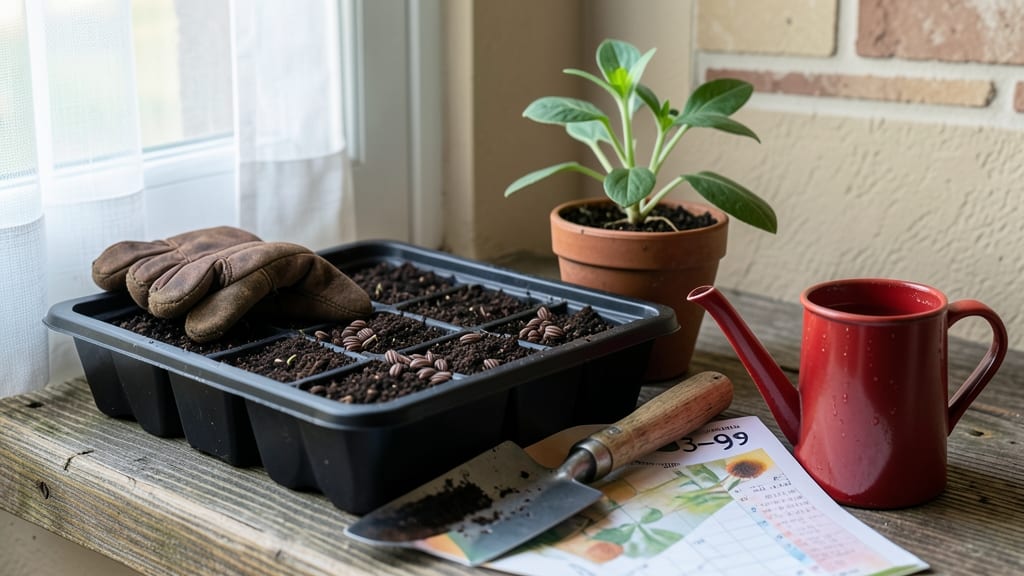
Planting cone flower seeds at the right time ensures vibrant blooms all season—aim for early spring or late summer, depending on your USDA zone.
Coneflowers bring vibrant color and attract pollinators to your garden—but planting them at the wrong time means waiting months for those stunning blooms. Timing is everything, and your USDA zone determines the perfect window for sowing seeds.
In USDA Zone 6a, like many northern regions, the best window is March or April, right after the last frost when soil temperatures hit 60°F. Southern zones can extend this to late summer for a fall display, but rushing it risks weak starts.
Below, I’ll break down the exact months by zone, whether to start seeds indoors or sow directly, and how to prep soil for bold, long-lasting blooms—no guesswork, just proven results.
Best planting months for coneflower seeds by USDA zone
Timing your coneflower seeds correctly ensures strong germination and vibrant blooms. Since coneflowers thrive in full sun and well-draining soil, planting too early risks frost damage, while late planting delays flowering. Your USDA zone dictates the perfect window—typically early spring or late summer—but regional variations matter.
Northern climates (Zones 3-6) often favor spring planting after the last frost, while Southern zones (Zones 7-10) can extend into fall. Below, I’ve broken down the ideal months by zone, including frost risk analysis and regional adjustments for Northern vs. Southern gardens.
Pro Tip: Always check your local last frost date (use the National Weather Service) and aim to plant 2-4 weeks after when nighttime temps stay above 50°F (10°C). Coneflowers are cold-hardy but prefer warm soil to germinate.
For Zones 3-6, spring planting is safest—aim for May-June when soil warms to 55-65°F. In these colder regions, late summer (August) is a secondary option, but seeds may not establish before frost. Use row covers if planting early to protect young seedlings.
In Zones 7-10, you have flexibility: plant in early spring (March-April) for summer blooms or fall (October-November) for winter/spring color. Southern gardeners often prefer fall sowing to avoid summer heat stress. Always water deeply after planting to encourage root growth.
Key Exception: If you live in a humid subtropical climate (e.g., Zone 8b+), avoid summer planting—high heat and humidity can cause damping off. Instead, opt for early spring or fall when temps are milder.
Test your soil temperature with a soil thermometer before planting—coneflower seeds need consistent warmth to germinate. If your soil is below 50°F (10°C), wait 1-2 weeks or use a seedling heat mat for indoor starts.
Once planted, maintain moist (not soggy) soil until seedlings emerge (10-14 days). Thin seedlings to 12-18 inches apart to prevent overcrowding
Direct sowing vs. starting coneflower seeds indoors: which method works best?
Deciding whether to direct sow coneflower seeds or start them indoors depends on your goals, climate, and experience level. Direct sowing is simpler and ideal for beginners, while indoor starts give you an earlier bloom advantage.
Both methods have unique benefits, and choosing the right one ensures your coneflowers thrive from the first day.
For direct sowing, timing is critical—wait until soil temperatures reach 60°F (15°C) and the last frost has passed.
This method works best in spring (March-April) for most USDA zones, aligning perfectly with natural growing conditions. Indoor starts, on the other hand, require 8-10 weeks of preparation before transplanting outdoors, typically starting in February or early March.
⚖️ Direct Sowing vs. Indoor Starts: Pros & Cons
Direct Sowing
- Pros: Easier for beginners, no transplant shock, cost-effective
- Cons: Later blooms, risk of frost damage, slower establishment
Indoor Starts
- Pros: Earlier blooms, controlled environment, higher germination rates
- Cons: Requires space/equipment, risk of transplant shock, more time-intensive
When direct sowing, plant seeds ¼ inch deep in well-draining soil with full sun exposure. Space them 12-18 inches apart to allow room for mature plants.
Water gently but thoroughly after planting to settle the soil and encourage germination. Indoor starts need a seedling tray with sterile potting mix and a heat mat to maintain 70-75°F (21-24°C) soil temperatures.
Transplanting indoor starts outdoors requires careful timing—wait until nighttime temperatures stay above 50°F (10°C) and harden off seedlings for 7-10 days before moving them. Acclimate them gradually to outdoor conditions to prevent shock.
For direct-sown coneflowers, mulch around plants to retain moisture and suppress weeds, which helps young seedlings establish stronger roots faster.
If you're in a cooler climate (USDA Zones 3-5), indoor starts give you a 4-6 week head start on blooms. In warmer zones (6-10), direct sowing in late summer (August-September) can yield fall blooms.
Always monitor soil moisture—overwatering is a common pitfall for both methods, leading to root rot or fungal issues.
For me, the choice often comes down to time and patience. If I want bold, early blooms, I opt for indoor starts. But if I’m new to gardening or prefer low-maintenance methods, direct sowing in spring is my go-to.
Both methods work beautifully—it’s all about matching your approach to your garden’s needs and your lifestyle. 🌼