
Flowers
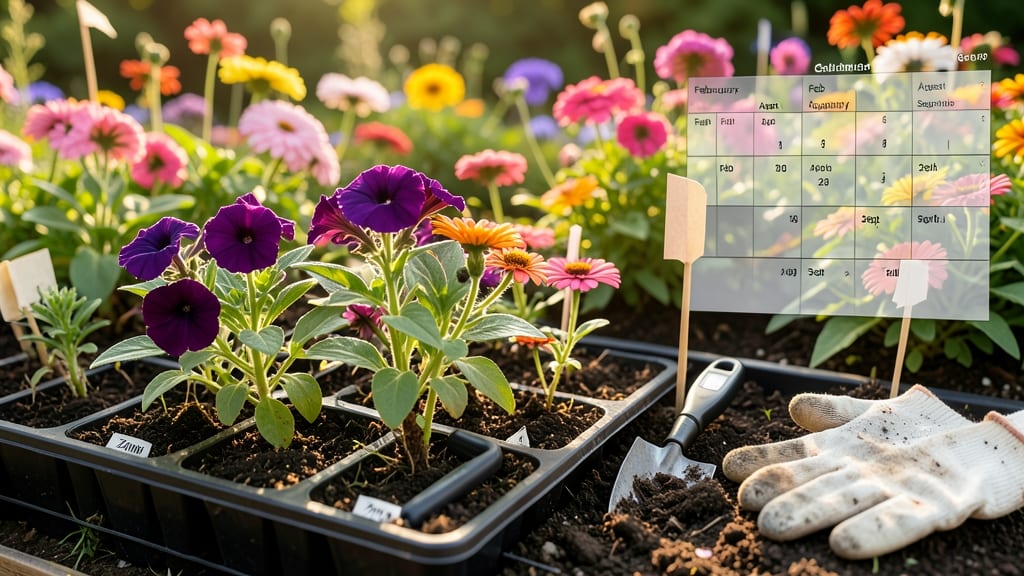
To plant flowers in Georgia at the right time means timing your garden to avoid frost surprises and maximize blooms 🌸 — aim for late winter to early spring or late summer to early fall, depending on your zone.
Georgia’s diverse climate—from coastal humidity to mountain chill—means planting flowers at the wrong time can mean wilted dreams instead of blooming success. Get the exact planting schedule for your zone to ensure vibrant blooms all season long.
In Zone 7a, where frost lingers until mid-March, annuals like petunias and marigolds need to wait until after the last frost in early April. Meanwhile, in Zone 9a, coastal areas can plant bulbs as early as February, thanks to milder winters.
Below, I break down the best months for planting by microclimate, which flowers thrive in your area, and how to adjust for Atlanta’s heat, Savannah’s humidity, or the mountains’ cooler temps.
Georgia flower planting calendar by USDA hardiness zones (6a-8b)
Georgia’s USDA hardiness zones 6a-8b create a gardener’s paradise—but only if you plant at the right time. From Savannah’s coastal humidity to the Blue Ridge Mountains’ cooler climate, timing varies dramatically.
Whether you’re in Zone 7a Atlanta or Zone 8b Savannah, this calendar ensures your annuals, perennials, and bulbs thrive year-round.
I’ve broken down the month-by-month schedule based on average last/first frost dates and microclimate adjustments. For example, Zone 6a (North Georgia mountains) has a later last frost (April 15), while Zone 8b (coastal areas) can plant annuals as early as February 15.
Let’s dive into the specifics so you can avoid frost-damaged blooms or wilting heat stress.
| Zone | Last Frost | First Frost | Spring Planting | Fall Planting |
|---|---|---|---|---|
| 6a (North GA Mountains) | April 15 | November 1 | April 15-May 15 | August 15-Sept 15 |
| 7a (Atlanta, Middle GA) | March 15 | November 15 | March 20-April 30 | August 1-Sept 15 |
| 7b (Central GA) | March 1 | November 20 | March 1-April 15 | July 20-Sept 1 |
| 8a (South GA, Columbus) | February 15 | November 25 | February 15-March 15 | July 1-August 15 |
| 8b (Savannah, Coastal GA) | February 1 | December 1 | January 15-February 28 | June 15-July 31 |
🌱 Note: Adjust for microclimates—urban areas (like Atlanta) may frost 1-2 weeks later than rural zones.
For Zone 6a gardeners in the Blue Ridge Mountains, I recommend starting cool-season annuals like pansies indoors by February 1 to transplant after your April 15 last frost.
In Zone 8b Savannah, you can plant heat-loving zinnias as early as February 15—just protect them from unexpected cold snaps with frost cloth.
Spring is the best time to plant perennials like black-eyed Susans and coneflowers, but timing varies. In Zone 7a Atlanta, aim for March 20-April 30 when soil temps hit 60°F.
For bulbs like daffodils, plant in fall (October-November)—they need 6-8 weeks of cool soil to root before winter. Don’t plant tulips after November 15 in Zone 7b, or they’ll rot in the ground.
Fall planting is critical for biennials like foxgloves and sweet William. In Zone 8a Columbus, sow seeds by July 20 for spring blooms. Coastal Zone 8b gardeners can extend planting until August 15—just water deeply during dry spells.
I’ve seen fall-planted snapdragons survive mild winters in Savannah and bloom earlier than spring-planted ones.
Don’t forget warm-season annuals like marigolds and sunflowers. In Zone 6a, wait until May 15 after soil warms to 65°F. For Zone 8b, you can plant heat-tolerant cosmos as early as March 1, but they’ll bolt faster in hotter zones.
Always check seed packets for days to maturity—some varieties need 90+ days to bloom and won’t make it in short
Best flowers to plant in Georgia by season (cool vs. warm season)
Georgia’s four distinct seasons create perfect conditions for a year-round flower garden, but timing is everything. Cool-season flowers thrive in mild temperatures, while warm-season bloomers need heat to flourish.
Let’s break down the best flowers to plant each season, including native Georgia favorites that handle humidity and heat like pros.
For Zone 8a/b gardeners (common in southern Georgia), the key is planting heat-tolerant annuals in early spring and cool-season perennials in late summer. Native plants like black-eyed Susans and coreopsis are low-maintenance and drought-resistant, making them ideal for Georgia’s climate.
🌸 Spring Planting (March–April)
- Pansies & Violas – Cool-season favorites that bloom February–May. Plant 4–6 weeks before last frost (late Feb–early March).
- Sweet Alyssum – Fragrant, drought-tolerant annual that thrives in partial shade. Direct sow after March 15 in most zones.
- Native Georgia Wildflowers – Coreopsis and black-eyed Susan (Rudbeckia) for sunny borders. Plant March–April for summer blooms.
☀️ Summer Planting (May–June)
- Zinnias – Heat-loving annuals that bloom June–October. Start seeds after May 1 for best results.
- Marigolds – Pest-repellent and drought-resistant. Plant April–June for continuous blooms.
- Lantana – Humidity-tolerant shrub with year-round blooms in warm zones. Plant March–April after frost risk passes.
🍂 Fall Planting (August–September)
- Mums (Chrysanthemums) – Cool-season bloomers for September–November color. Plant August–early September.
- Salvia – Drought-resistant perennial with late-summer/fall blooms. Transplant August–September.
- Native Asters – Pollinator magnets that bloom September–October. Plant August for best results.
❄️ Winter Planting (November–January)
- Pansies & Snapdragons – Cold-hardy annuals for winter color. Plant November–December in mild zones (8a/b).
- Winter Jasmine – Evergreen climber with yellow winter blooms. Plant November–January in protected spots.
Pro tip: Mulch after planting to retain moisture and protect roots from temperature swings. Georgia’s humidity and heat can stress flowers, so water deeply in the morning to prevent fungal issues.
For Zone 7a gardeners (northern Georgia), delay warm-season planting until mid-April to avoid late frosts. In Zone 9a (southern Georgia), you can plant warm-season flowers as early as February—just watch for freeze warnings.
Native Georgia flowers like cardinal flower and butterfly weed are low-maintenance and support local pollinators. Add them to your fall planting list for year-round interest and eco-friendly gardening.