
Plants
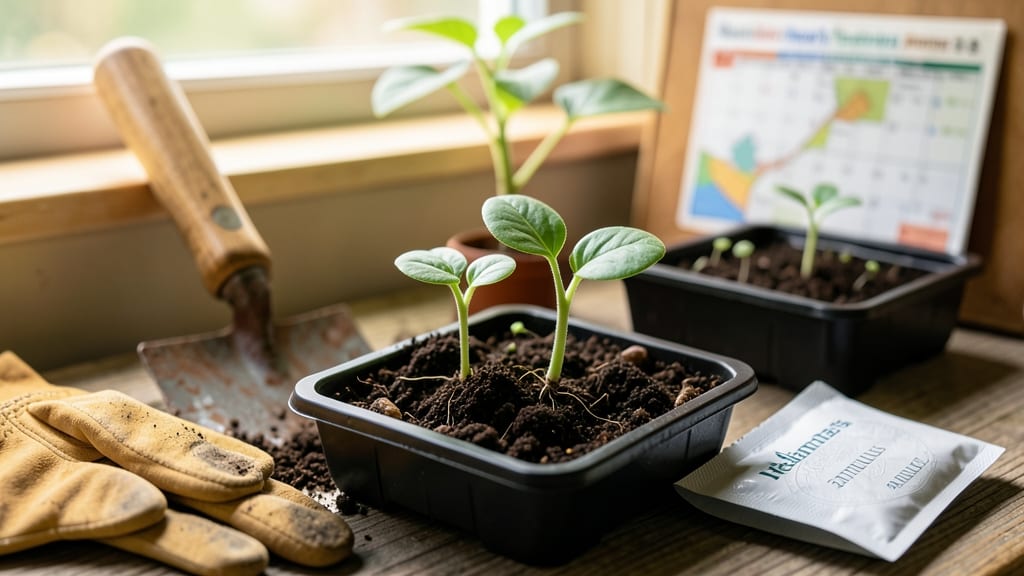
Plant sunflower seeds in North Carolina after your last frost date, ideally between mid-March and late September for the best results.
Sunflowers bring bold beauty to North Carolina gardens—but planting them at the wrong time can mean wilted dreams instead of towering blooms. Timing is everything, especially in NC’s unique Zone 7a and 7b climate where frost dates shift unpredictably.
Most NC gardeners can start seeds outdoors once soil temperatures hit 50°F, usually around early April in the Piedmont and late March in the Coastal Plain. But if you’re eager to jumpstart your 🌻 patch, you can even begin indoors in late February for a head start.
Below, I’ll walk you through the exact frost-free timeline for your zone, how to prep your soil, and which sunflower varieties thrive best in NC’s short but sweet growing season. No more guessing—just bigger, brighter blooms all season long.
North Carolina sunflower planting calendar: exact frost-free dates for zones 7a & 7b
North Carolina's Zone 7a and Zone 7b climates create a perfect window for growing sunflowers—but only if you plant at the right time. The difference between these subzones is subtle but critical: Zone 7a (colder) has 10-15 extra frost-free days than Zone 7b (warmer).
Missing these dates means weak seedlings or frost damage. Let's break down the exact frost-free timeline you need to know.
Sunflower seeds won't germinate until soil temperatures reach 55°F+. In NC, this typically aligns with mid-April for Zone 7a and late March for Zone 7b. However, planting too early risks soil-borne diseases or frost damage to tender seedlings. The optimal planting window balances these risks for maximum sunflower success.
Last spring frost dates in NC average between March 15 (Zone 7b) and April 15 (Zone 7a). These dates mark when you can safely plant sunflower seeds outdoors without fear of frost killing your young seedlings. Always check your local extended forecast—unpredictable weather can push frost dates 2 weeks earlier or later.
Here’s your NC sunflower planting calendar, tailored to both subzones and soil temperature triggers:
| Zone | Last Spring Frost | First Fall Frost | Soil Temp for Germination | Best Planting Window |
|---|---|---|---|---|
| Zone 7a | April 15 | October 30 | 55°F+ (mid-April) | April 15 - May 15 |
| Zone 7b | March 15 | November 15 | 55°F+ (late March) | March 20 - June 1 |
For Zone 7a gardeners, aim to plant sunflower seeds between April 15 and May 15. This window ensures your seeds germinate in warm soil (55°F+) and gives your sunflowers enough time to mature before the first frost hits around October 30.
If you plant after June 1, your sunflowers may not reach full maturity before frost.
Gardeners in Zone 7b have a longer growing season, allowing you to plant sunflower seeds as early as March 20 (when soil warms) and as late as June 1. This extended window lets you experiment with succession planting for continuous blooms.
However, avoid planting after June 15—your sunflowers won’t have enough time to develop before the first frost in mid-November.
If you're eager to start earlier, consider indoor seed starting in late February (Zone 7b) or early March (Zone 7a). Use a heat mat to maintain soil temperatures at 70-75°F for faster germination. Transplant seedlings outdoors 2-3 weeks after your last frost date to avoid transplant shock.
Pro tip: Use a soil thermometer to confirm soil temperatures before planting. Sunflower seeds won’t sprout in cold soil, even if air temperatures feel warm. If your soil is below 55°F, wait 1-2 weeks or use black plastic mulch to warm the soil faster.
For late-season planting, focus on fast-maturing varieties like 'Autumn Beauty' or 'Teddy Bear'. These sunflowers bloom in 60-70 days, giving them enough time to mature before the first frost. Plant these varieties between July 1 and August 15 for a fall harvest.
Remember, sunflowers are drought-tolerant once established, but they need consistent moisture during germination. Water seeds deeply 1-2 times per week until they sprout, then reduce to weekly watering once they reach 6 inches tall. Mulch around the base to retain moisture and suppress weeds.
By following this NC-specific frost-free calendar, you’ll grow healthy, vibrant sunflowers that thrive in your garden’s unique climate. Happy planting! 🌻
Direct sowing vs. transplanting sunflower seeds: what works best in NC?
Deciding whether to direct sow or transplant sunflower seeds in North Carolina can make or break your harvest. My experience shows that direct sowing is the winner for NC's climate—sunflowers hate root disturbance and thrive when planted in their final spot.
The heat and humidity here also mean faster germination when seeds go straight into warm soil.
For Zone 7a and 7b, I recommend starting seeds outdoors after your last frost date (typically mid-April to early May). Sunflowers grow best when they establish roots quickly, and transplanting can cause stunted growth or even death due to their delicate taproots.
Let’s break down the pros and cons to help you decide.
Direct Sowing Sunflower Seeds in NC
- Faster growth (roots establish immediately)
- Higher success rate (no transplant shock)
- Cost-effective (no need for seedling trays)
- Limited replanting if early frosts occur
- Slower succession planting (must sow multiple times)
Transplanting Sunflower Seeds in NC
- Earlier start (indoor germination)
- Controlled spacing (better for small gardens)
- High transplant shock risk (delicate roots)
- Lower survival rate in NC heat
- More labor-intensive (seedling care required)
When direct sowing, plant seeds 1-2 inches deep and space them 12-24 inches apart, depending on the variety. Dwarf types like 'Teddy Bear' can go in at 12 inches, while giants like 'Russian Giant' need 24+ inches to avoid crowding.
I always use a soil thermometer to confirm the soil is at least 55°F—sunflowers won’t germinate in cold soil.
For transplanting (if you must), start seeds indoors 4-6 weeks before your last frost date. Use biodegradable pots to minimize root disturbance when moving them outside. Harden off seedlings gradually by placing them outdoors for 2-3 hours daily before full transplanting.
Even with care, I’ve seen transplant survival rates drop to 50% in NC’s summer heat.
Companion planting can also boost your success. Pair sunflowers with bush beans or corn to improve soil nitrogen, or plant them near basil to deter pests. Avoid planting near potatoes, as they compete for nutrients. In my garden, sunflowers near marigolds have fewer aphid issues—worth a try!
Remember, sunflowers are fast growers—some varieties reach 10 feet in 80 days. If you’re short on time, focus on direct sowing after Memorial Day for the most reliable results. My tallest sunflowers always come from seeds planted straight into the ground in late May.