
Flowers
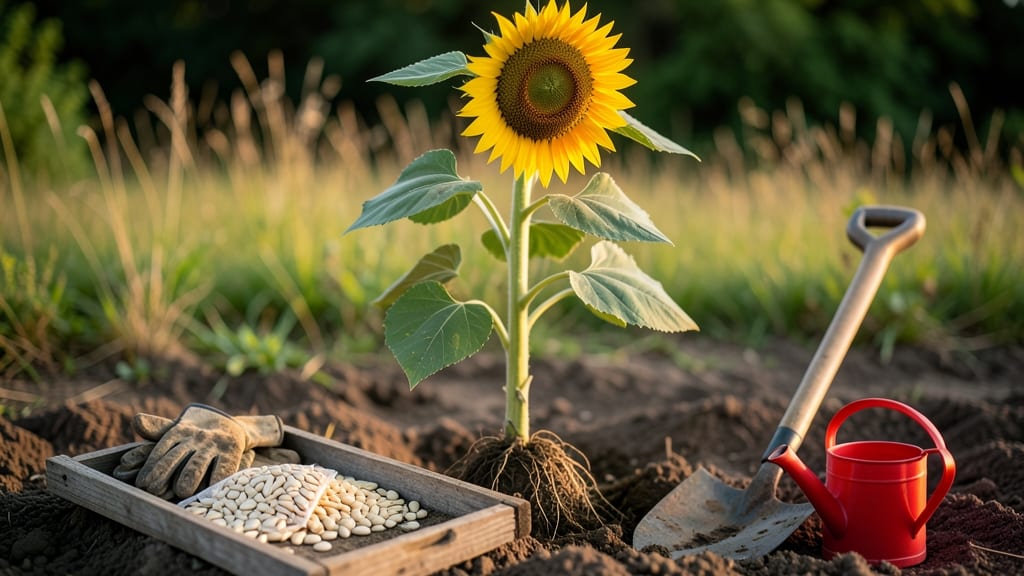
Plant sunflowers in Illinois after the last frost date when soil temperatures hit at least 55°F—typically mid-April to early June for most of the state.
Miss that window, and you’ll end up with leggy, weak stalks that struggle to reach their full 10-foot potential. But timing isn’t just about the calendar—it’s about soil warmth, variety choices, and even your local microclimate.
Get it right, and you’ll enjoy those bright 🌻 blooms from late summer through fall.
Illinois’ USDA Zones 5-6 mean frost can linger well into April, so don’t rush. Instead, wait for the ground to thaw and test soil temperature with a simple thermometer—55°F is your magic number for fast germination.
Direct-sowing is easiest, but if you’re in a cooler pocket of the state, starting seeds indoors a few weeks early can give you a head start.
Below, I’ll break down the best planting strategies by region, how to pick the right sunflower varieties for your season, and the 3 biggest mistakes that kill sunflowers before they even bloom. Ready to grow a garden full of pollinator magnets?
Best planting timeline for sunflowers in Illinois based on soil temperature
Sunflowers in Illinois need precise timing to thrive, and soil temperature is the key factor. Unlike many plants, sunflower seeds won’t germinate until the soil reaches at least 50°F.
In Northern Illinois, this typically happens around mid-April to early May, while Southern Illinois can start as early as late March. Waiting for these conditions ensures strong, healthy growth and avoids frost damage to young seedlings.
Before you rush to plant, check your last frost date. Most of Illinois experiences its final frost between April 15 (North) and May 1 (South). Planting 2-3 weeks after this date gives your sunflowers a head start.
For example, if your frost date is April 20, aim to plant around May 5 to balance warmth and safety.
Here’s how to test your soil temperature for perfect germination: Use a soil thermometer (insert 2 inches deep) or the back-of-your-hand test. If the soil feels warm enough to hold your hand comfortably for 5 seconds, it’s ready.
In urban areas, soil warms faster due to pavement, while rural fields may stay cooler longer.
| Region | Ideal Planting Window | Soil Temp Trigger | Last Frost Date | Microclimate Note |
|---|---|---|---|---|
| Northern IL (Chicago, Rockford) | Mid-April to early May | 50°F+ (consistently) | April 15–20 | Urban areas warm 2–3 days earlier |
| Central IL (Springfield, Peoria) | Late March to mid-April | 50°F+ (consistently) | April 1–10 | Rural fields may need 1–2 weeks later |
| Southern IL (Carbondale, St. Louis) | Late February to early March | 50°F+ (consistently) | March 15–25 | Early varieties can tolerate light frosts |
For direct sowing, which is best for sunflowers, plant seeds 1 inch deep and 6 inches apart. If you’re in a short-season area (like Northern Illinois), opt for early-maturing varieties like ‘Teddy Bear’ (50–60 days) or ‘Moulin Rouge’ (60–70 days).
These will bloom before first frost, even if planted in early May.
If you miss the ideal window, don’t despair! Sunflowers are hardy and can handle light frosts once established. For a second planting, try late June to early July for a fall harvest.
Just be sure to use dwarf varieties like ‘Sunspot’ (45–50 days) to avoid height issues before winter.
One critical tip: Avoid planting sunflowers in low-lying areas where cold air pools. Instead, choose slightly elevated spots or south-facing slopes to accelerate warming. In containers, soil warms faster, so you can plant 2–3 weeks earlier than in-ground.
After planting, maintain consistent moisture for the first 2 weeks. Sunflowers need 1–2 gallons of water per week until they reach 1 foot tall. Once established, they’re drought-tolerant, but deep watering (1–2 inches per week) keeps them thriving through Illinois’ hot summers.
Watch for bird damage—sunflower seeds are a magnet for birds! Use bird netting or decoy plants like corn to protect young seedlings. With the right timing and care, your sunflowers will reward you with vibrant blooms from July to October, attracting bees and butterflies all season long. 🌻
How to choose sunflower varieties for Illinois’ short vs. long growing seasons
Illinois’ variable growing seasons—from northern Zone 5 to southern Zone 6—mean your sunflower choices should match your last frost date. Early varieties thrive in short seasons, while tall giants need the longer heat of southern Illinois. The key? Days-to-maturity and heat tolerance determine success.
For northern Illinois, where summers are shorter and cooler, opt for early-maturing dwarf varieties like ‘Teddy Bear’ (50–60 days). In southern Illinois, you can grow tall giants like ‘Russian Giant’ (100–120 days) without frost risk.
Staggering plantings by 2–3 weeks extends your blooming season from July to October.
If you’re in northern Illinois, prioritize fast-growing varieties like ‘Moulin Rouge’ (60 days) to avoid early fall frosts. These dwarf or semi-dwarf types also work well in containers or small gardens, where space is limited.
For southern Illinois, where summers stretch into October, giant varieties like ‘Autumn Beauty’ (90 days) reward you with bold, long-lasting blooms.
Pro tip: Plant short-season varieties first (late April–early May) and tall giants 3–4 weeks later (mid-May). This staggered approach ensures continuous pollinator activity and extended harvest windows. Just beware—tall sunflowers need staking or support in windy areas like northern Illinois.
For urban gardens or small spaces, consider ‘Sunspot’ (3–4 ft tall), a compact variety that matures in 55 days and thrives in partial shade. Its smaller stature makes it perfect for balconies or patio gardens where taller varieties might topple over.
Remember: Soil fertility and water consistency matter just as much as variety choice. Amend your soil with compost before planting, and water deeply 1–2 times per week until stems harden. Once established, sunflowers are drought-tolerant, but young plants need steady moisture to avoid wilting.
With the right variety and timing, your Illinois garden can burst with sunflowers from July through October, attracting bees, butterflies, and birds while adding stunning vertical interest. Happy planting! 🌻