
Flowers
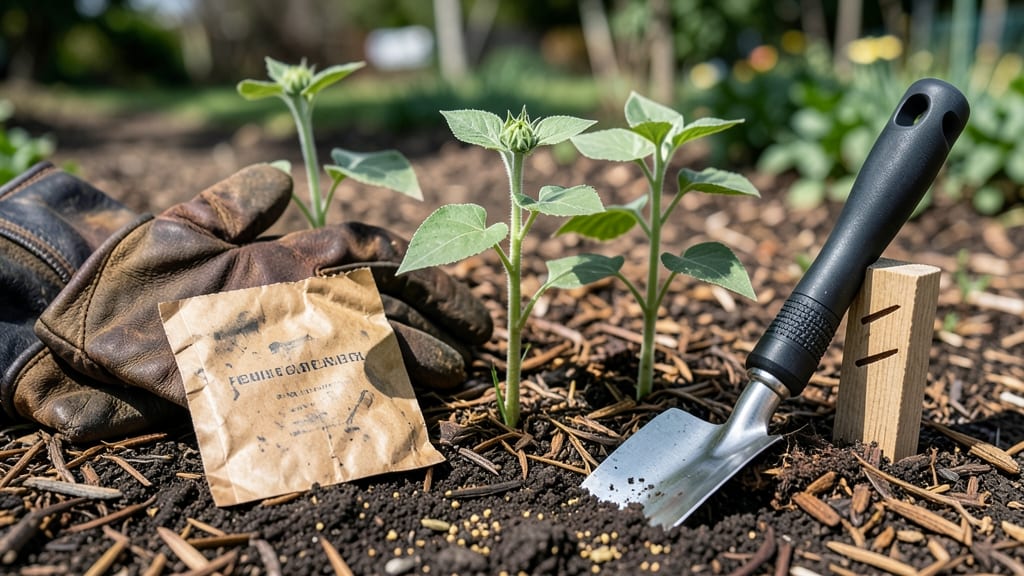
Planting sunflowers in Zone 7a after your last frost date — typically mid-April — ensures they reach their towering 10-foot potential without frost damage.
Sunflowers aren’t just beautiful—they’re hardy, fast-growing powerhouses that thrive in Zone 7a with the right timing. Plant too early, and frost will nip your seedlings; too late, and you’ll miss the summer glory. Here’s your precise frost-free planting schedule to grow sunflowers that reach their full height.
Zone 7a’s 180 frost-free days give you a window from mid-April to early June, but soil temperature matters just as much. Wait until the ground warms to at least 55°F to avoid slow germination or rot.
Below, I’ll break down the best planting dates, soil prep tips, and care tricks to get your 🌻 sunflowers blooming strong from seed to harvest by late summer.

Optimal sunflower planting dates in Zone 7a: avoiding frost and heat stress
Sunflowers in Zone 7a need precise timing to avoid late spring frosts and summer heat stress. The average last frost date here is around April 15, but soil temperature is just as critical—seeds need 55°F+ soil to sprout reliably.
Plant too early, and frost will kill tender seedlings; too late, and your towering 10-foot giants may bolt prematurely or struggle in August’s heat.
For maximum bloom time, aim to plant mid-April to early June. Early varieties like 'Teddy Bear' can handle cooler soils, while tall giants like 'Mammoth' need warmer conditions. The key is balancing frost-free growth with heat tolerance—sunflowers wilt under 95°F+ without proper watering.
🌱 Did You Know? Zone 7a’s 180 frost-free days give sunflowers plenty of time to mature, but late summer heat can shorten their lifespan. Start seeds indoors 4-6 weeks before last frost for a head start, or direct-sow after soil warms to 60°F+.
Your Zone 7a location plays a role too. Coastal areas stay cooler longer, while inland spots heat up faster. For example, Raleigh, NC averages its last frost by April 1, while Lexington, KY holds onto frost until April 20.
Check your local USDA Plant Hardiness Zone Map for precise adjustments.
Once soil hits 60°F+, direct-sow seeds 1 inch deep and 6 inches apart. Thin seedlings to 12-24 inches apart when they’re 4 inches tall to prevent competition. Mulch with straw or grass clippings to retain moisture and regulate soil temperature during heatwaves.
For late summer varieties, focus on heat-tolerant dwarf types like 'ProCut' or 'Little Becka'. These bloom faster (45-60 days) and handle 90°F+ better than towering giants. Plant them in July for September-October blooms, just before first frost (around October 15).
Monitor your sunflowers’ leaf color—wilting or yellowing signals heat stress. Increase watering to 1-2 gallons per plant weekly during dry spells, and avoid overhead watering to prevent powdery mildew. A morning watering schedule gives foliage time to dry before evening humidity spikes.
Pro tip: Stake tall varieties early (before 6-foot height) to prevent wind damage during summer storms. Use bamboo stakes or tomato cages for support, and tie stems loosely with soft garden twine to avoid girdling.
With the right timing, your Zone 7a sunflowers will reward you with vibrant blooms from July to October, attracting pollinators and adding 10-foot drama to your garden.
The secret? Plant after April 15, before June 15, and give them full sun and deep water—simple rules for show-stopping results. 🌻
How to extend your sunflower season in Zone 7a: succession planting and cold protection
Zone 7a gardeners know the struggle: sunflowers bloom quickly but disappear just as fast. The key to extended sunflower enjoyment lies in succession planting and smart frost protection. By staggering plantings and shielding young plants, you can enjoy sunflower blooms from July through October—not just a single summer burst.
Sunflowers thrive on consistent warmth, but Zone 7a’s unpredictable late frosts and early autumn chills can cut your season short. The solution? Plant in stages and use protective barriers to buy time. With these strategies, even tall varieties like 'Mammoth' can reach their full 12-foot potential without frost damage.
- 1 First planting: Mid-April after last frost risk (use row covers if nights dip below 40°F)
- 2 Second planting: Early June for late-summer blooms (choose heat-tolerant varieties like 'Autumn Beauty')
- 3 Third planting: Late July with cloches to protect from early autumn frosts (harvest seeds before first frost)
- 4 Frost protection: Use floating row covers or mini greenhouses for seedlings until soil warms to 60°F+
- 5 Variety selection: 'ProCut' (80-day) for early blooms, 'Russian Giant' (120-day) for late-season height
For extended blooms, focus on soil warmth—sunflowers won’t germinate well below 55°F. Use black plastic mulch to raise soil temps by 5-10°F in early spring. Pair this with drip irrigation to keep roots consistently moist, which speeds up growth and compensates for cooler nights.
Don’t overlook late-summer varieties like 'Autumn Beauty', which thrives in Zone 7a’s heat and resists bolting. Plant these in early July for September-October blooms. Combine them with dwarf varieties like 'Teddy Bear' (3-4 feet tall) for container gardening and extended harvests.
When autumn arrives, harvest seeds before frost by cutting heads and hanging them upside down in dry, dark spaces. This preserves seeds for next year’s early spring plantings—giving you a two-season advantage.
With these techniques, your sunflower season won’t just last—it’ll dominate your garden from summer through fall.