
Flowers
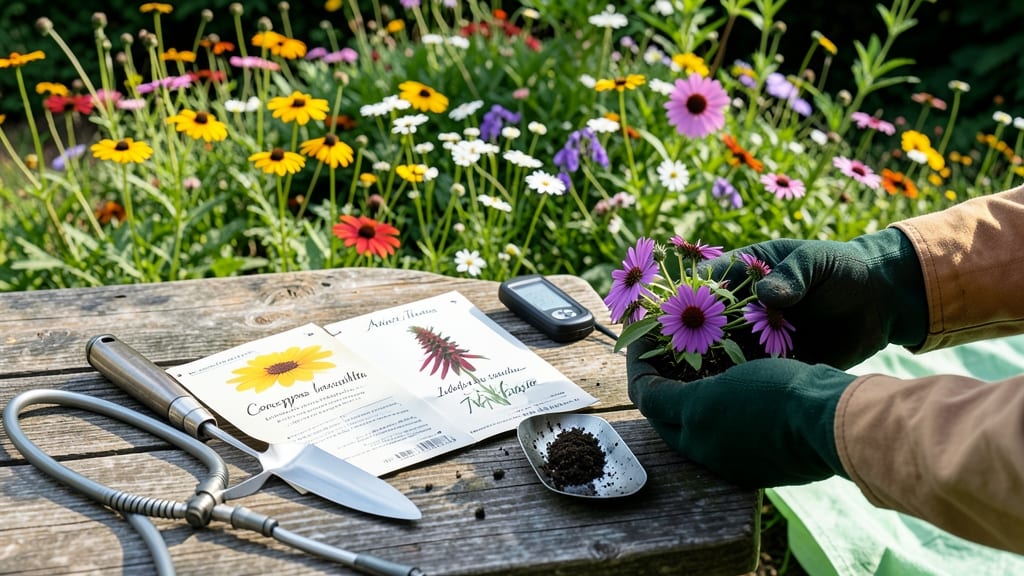
Planting wildflowers in Georgia at the right time ensures vibrant blooms from spring to fall 🌼, and the best window is late winter to early spring or mid-fall.
Miss that timing, and you might end up with a patchy meadow—or worse, seeds that never sprout because of Georgia’s unpredictable frosts. Whether you’re in the cooler mountain regions of Zone 7a or the warmer coastal plains of Zone 9a, the key is knowing when to sow for maximum impact.
This guide breaks down the ideal months for each zone, from Black-Eyed Susans that thrive in spring to fall-blooming Coreopsis that loves cooler temperatures. We’ll also cover soil prep tricks to help seeds take root in Georgia’s clay-heavy dirt and how to stagger plantings for year-round color.
By the end, you’ll know exactly when to scatter seeds for a wildflower meadow that blooms reliably, attracts pollinators, and stays beautiful with minimal fuss.
Georgia’s planting Zones and ideal wildflower months by season
Georgia spans USDA Hardiness Zones 7-8, creating a perfect canvas for wildflowers that thrive in both mild winters and hot summers.
The key to success lies in understanding your microclimate—whether you're in the North Georgia mountains (cooler, shorter growing season) or the South Georgia coastal plains (warmer, longer frost-free period). These differences mean your planting timeline should shift by 2-4 weeks depending on location.
Fall planting remains the gold standard for wildflowers in Georgia, as cooler temperatures and consistent rainfall create ideal germination conditions. However, spring planting works well for hardy annuals like Coreopsis and Black-Eyed Susans, while summer sowing can extend blooms into autumn.
Let’s break down the best months for each season and zone.
🌱 Comparison Table: Georgia Wildflower Planting by Zone & Season
For North Georgia gardeners in Zones 7a-7b, aim to plant fall wildflowers by September 15 to ensure seeds germinate before first frost (typically mid-November). In contrast, South Georgia’s Zone 8b offers a longer window—planting can extend into early November without frost risk.
This extended season allows coastal gardeners to enjoy year-round blooms with strategic planting.
If you’re planting in spring, time it so seeds hit the ground 2-4 weeks after your last frost date.
In North Georgia, this means waiting until late March, while South Georgia gardeners can start as early as mid-February. Summer planting is ideal for heat-loving annuals like Lantana or Zinnias, but avoid sowing in peak July-August heat unless you’re using shade cloth.
One of my favorite wildflower hacks for Georgia gardeners is staggered planting
Best wildflower species for Georgia’s climate and their planting timelines
Georgia’s native wildflowers thrive with minimal fuss once you match them to the right planting windows. The key is timing: fall plantings (August–October) give seeds time to germinate before winter, while spring sowings (February–April) capitalize on Georgia’s warm, wet season.
I’ve ranked the top 10 species by bloom duration, drought tolerance, and pollinator appeal, with exact dates tailored to Georgia’s USDA Zones 7–8.
For example, Purple Coneflower (Echinacea purpurea) blooms from mid-summer to fall and handles Georgia’s heat with ease. Meanwhile, Butterfly Weed (Asclepias tuberosa) offers three-season interest—spring foliage, summer blooms, and fall seed pods—making it a standout for extended visual impact.
Below, find the perfect species for your garden’s sun exposure and your timeline for color.
For North Georgia’s cooler microclimates (e.g., Blue Ridge Mountains), delay fall plantings until late September to avoid early frosts. In South Georgia’s coastal plains, where humidity lingers, prioritize well-draining soil and plant Blanket Flower or Coreopsis in February to beat summer heat.
Pro tip: Mix seeds with sand for even distribution—this prevents clumping and ensures a natural, meadow-like look.
Multi-season bloomers like Butterfly Weed and Wild Bergamot are my top picks for low-maintenance color. They self-seed reliably, reducing annual replanting. After sowing, water lightly daily for 10–14 days to encourage germination, then let nature take over. Georgia’s native pollinators—from monarch butter