
Flowers
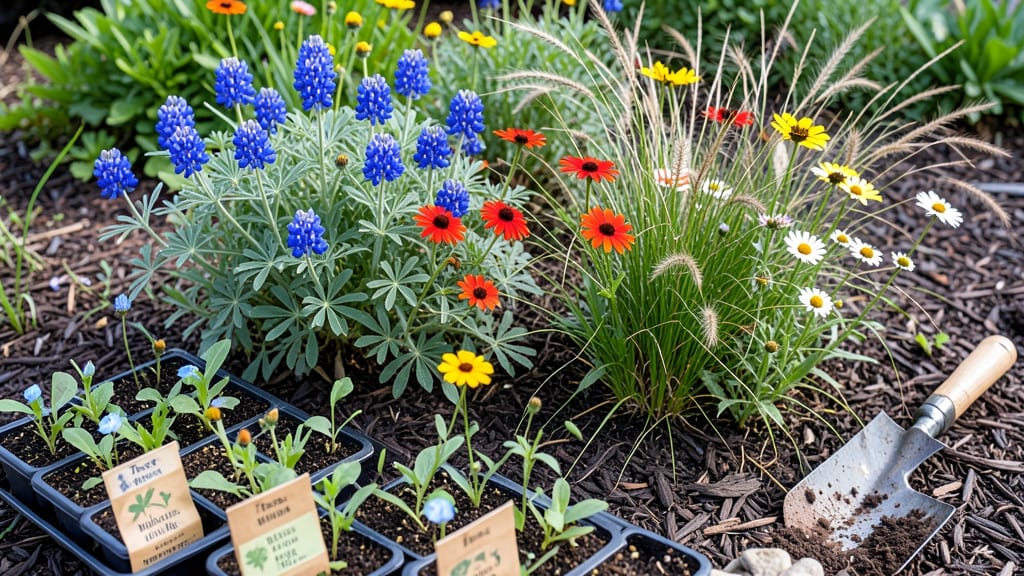
Planting wildflowers in Texas at the right time means blooms by spring, not a summer of waiting—fall is the secret weapon for most zones.
Picture this: you’ve scattered seeds in September, and by March, your landscape is a riot of bluebonnets and winecups. But miss that window, and you’re stuck with patchy growth or worse—no flowers at all.
The key? Knowing your USDA zone and whether you’re in East Texas’s humid heat or West Texas’s dry winds.
Below, I break down the exact months for fall vs. spring planting by zone, plus native species that thrive with minimal fuss. You’ll learn how to prep soil, time watering, and even override the rules for summer-blooming varieties like Blackfoot Daisy.
Ready to turn your yard into a pollinator paradise? Let’s get those seeds in the ground when they’ll actually grow.
Texas wildflower planting calendar by USDA zone (exact months for best results)
Texas wildflowers thrive when planted at the right time, but the perfect window shifts dramatically across USDA Zones 7a-9b. In North Texas (7a-8a), fall planting in September-October ensures blooms by spring, while South Texas (9a-9b) gardeners can sow as late as November thanks to milder winters.
Spring planting works too, but timing is critical—wait until February-March in cooler zones to avoid frost damage.
Why the difference? Cooler fall temperatures and winter rains create ideal germination conditions, while spring planting risks drought stress during Texas' scorching summers. Native species like Bluebonnets (Lupinus texensis) and Indian Paintbrush (Castilleja indivisa) have adapted to these rhythms, but non-natives may need extra care to establish.
Here’s your zone-by-zone planting guide, including native species recommendations and climate-specific tips to maximize blooms with minimal effort:
| USDA Zone | Best Planting Window | Native Species to Plant | Climate Notes |
|---|---|---|---|
| 7a (North TX: Amarillo, Lubbock) | Fall: September 15–October 31 Spring: February 15–March 15 |
Bluebonnet, Mexican Hat, Winecup | Short growing season; avoid late spring planting (frost risk). Use mulch to retain moisture. |
| 8a (Dallas, Waco, San Angelo) | Fall: September 1–November 15 Spring: February 1–April 1 |
Blackfoot Daisy, Coreopsis, Prairie Verbena | Moderate rainfall; spring planting works but needs consistent watering. |
| 8b (Austin, College Station) | Fall: September 15–December 1 Spring: February 15–March 30 |
Eastern Red Columbine, Goldenball Leadplant, Salvia | Longer frost-free season; fall planting extends blooms into winter. |
| 9a (Houston, San Antonio) | Fall: October 1–November 30 Spring: March 1–April 15 |
Mexican Poppy, Firewheel, Drummond Phlox | Humid summers; plant in partial shade to prevent wilting. |
| 9b (Deep South TX: Brownsville, Corpus Christi) | Fall: November 1–December 15 Spring: March 15–April 30 |
Evening Primrose, Turk’s Cap, Zinnias | Mild winters; can plant year-round but avoid peak summer heat. |
For Zone 7a gardeners, I recommend starting with Bluebonnets in September—they’ll bloom by April, and their drought-resistant roots handle Texas’ unpredictable springs. In Zone 9b, Mexican Poppies thrive when planted in November, blooming through winter and early spring before summer’s heat sets in.
Pro tip: Stagger your planting by 3–4 weeks to extend the bloom season. For example, sow half your seeds in October and the rest in November—this ensures continuous color from March through June.
Just avoid planting after the first frost in cooler zones, as seeds may rot in cold, wet soil.
Soil prep is just as critical as timing. Loosen the top 6 inches of soil to help seeds make contact with moisture, and avoid heavy tilling, which buries seeds too deep.
Native wildflowers often need minimal fertilizer—too much nitrogen encourages leafy growth over blooms. Instead, mix in compost or aged manure before planting to feed soil microbes.
Watering strategies vary by zone. In North Texas (7a-8a), deep watering once a week after planting is enough once established. But in South Texas (9a-9b), where summers are brutal, water lightly daily for the first 2 weeks to prevent seed desiccation.
After germination, let nature take over—most Texas wildflowers are drought-tolerant once rooted.
One common mistake? Planting too thickly and expecting lush blooms. Wildflowers spread naturally—aim for 10–15 seeds per square foot for a naturalistic look that attracts pollinators. Thin seedlings to 6 inches apart once they’re 2–3 inches tall to reduce competition.
Finally, mulch lightly with straw or leaves to retain moisture and suppress weeds, but avoid piling mulch against stems. This simple step can double your success rate in Texas’ variable climate.
With the right timing and care, your wildflower meadow will burst into color year after year, requiring almost no maintenance.
Why fall planting wins: the science behind Texas wildflower success
Texas wildflowers thrive when planted in fall because cooler temperatures and winter rains create the perfect conditions for seed germination. Unlike spring planting, fall gives seeds time to establish roots before summer heat arrives, resulting in stronger, more resilient plants that bloom earlier and more abundantly.
This natural cycle aligns perfectly with Texas' climate patterns, where September through November offers ideal moisture and temperature ranges.
When you plant in fall, seeds germinate during the cooler months, avoiding the stress of summer heat and drought. The winter rains provide consistent moisture, while the mild spring temperatures trigger rapid growth.
This process ensures your wildflowers emerge vibrant and healthy, ready to attract pollinators like bees and butterflies as soon as spring arrives.
Here’s why fall planting works so well—and how to adapt for summer-blooming varieties like Blackfoot Daisy:
- 1. Cooler soil temps (60–70°F) reduce seed dormancy, encouraging germination.
- 2. Winter rains provide consistent moisture without overwatering risks.
- 3. Established roots by spring mean less competition from weeds.
- 4. Early blooms in spring attract pollinators sooner than spring-planted seeds.
- 5. Drought resilience: Plants grow stronger before summer heat arrives.
For summer-blooming varieties like Blackfoot Daisy, you can override this rule by planting in late winter (February). These heat-loving flowers need warm soil to germinate, so avoid planting them in fall. Instead, prepare the soil in January and sow seeds once daytime temperatures consistently reach 65°F or higher.
To maximize success, always loosen the top 6 inches of soil before planting and scatter seeds lightly—no need to bury them deeply. Water lightly after sowing to keep the soil moist but not soggy.
For fall plantings, aim to finish by mid-November in North Texas and early December in South Texas to avoid winter dormancy.
By understanding these natural cycles, you can create a year-round wildflower display that thrives in Texas’ unique climate. Whether you’re planting for spring color or summer blooms, timing is everything—and fall is your secret weapon for success.