
Flowers
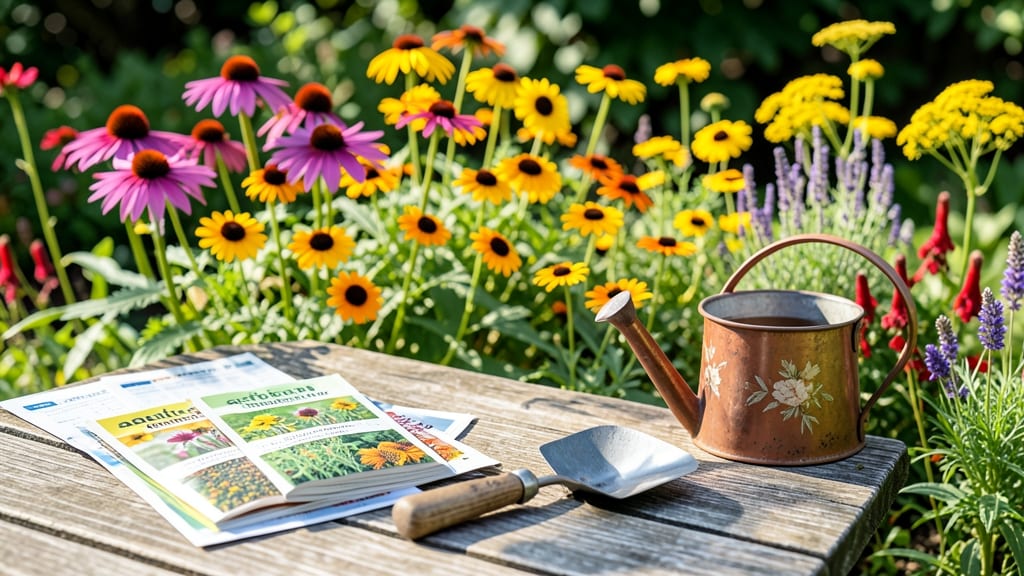
Planting wildflowers in Tennessee at the right time means the difference between a garden bursting with 🌼 color all season and one that fizzles out before summer.
You’ve probably heard that spring is the best window, but Tennessee’s zones—from the Appalachian highlands to the Nashville heat—mean timing varies by hundreds of miles.
Plant too early in the mountains, and frost will nip seedlings; too late in West Tennessee, and summer drought will dry them out before roots take hold.
The key is matching your location to the 6a-7b zones, where early spring (March-April) or early fall (September-October) are your safest bets.
Native varieties like Black-eyed Susans and Coneflowers thrive when planted just after the last frost or before the first hard freeze, giving them time to establish before extreme weather hits.
Here’s how to nail the deadlines for your exact corner of the state, plus the soil prep and care tricks that keep wildflowers blooming from May through September—without the guesswork.
Tennessee planting zones & deadlines for wildflowers by season
Tennessee spans USDA zones 5a–8a, meaning wildflowers can bloom year-round if planted at the right time. In zone 6a (eastern highlands), frost lingers until mid-April, while zone 8a (Memphis area) enjoys frost-free winters.
Understanding these zones helps you choose hardy annuals like cosmos for cooler areas or perennial wildflowers like black-eyed Susans for warmer regions.
Spring planting kicks off in March for zone 5a and stretches to May for zone 8a, but timing varies by microclimate. For example, Nashville (zone 7a) sees last frosts around April 15, while Chattanooga (zone 7b) can plant up to May 1.
Fall planting, ideal for perennial wildflowers, starts in September for zone 8a and ends by October 15 for zone 5a.
🌱 Key deadlines: Spring wildflowers must be in the ground 4–6 weeks before last frost, while fall-planted seeds need 6–8 weeks before first frost to establish roots. Summer planting is limited to heat-tolerant annuals like zinnia, best sown in June–July after soil temperatures stabilize above 60°F.
Soil prep is critical for wildflower success. Loosen the top 6 inches of soil and mix in compost to improve drainage, especially in clay-heavy zones like East Tennessee.
Test soil pH (6.0–7.0 ideal) and amend with lime if acidic. In zone 8a, mulch with straw to retain moisture during summer’s heat.
For spring planting, focus on cool-season wildflowers like lupine and bluebonnets, which thrive in 50–60°F soil. In summer, switch to heat-loving annuals such as sunflowers and marigolds, planted after soil warms to 65°F.
Fall planting favors perennials like coneflowers, which establish roots before winter.
Microclimates matter! Mountain slopes (zone 5a) stay cooler, delaying spring planting until after April 15, while valleys (zone 7b) can handle earlier sowing. Urban areas like Nashville experience heat islands, so opt for drought-tolerant varieties like blanket flower to avoid wilting.
Deadlines aren’t rigid—ad
Best wildflowers for Tennessee’s climate & how to extend their blooming season
Tennessee’s diverse microclimates—from the humid Cumberland Plateau to the Mississippi River floodplains—offer ideal conditions for wildflowers that bloom from early spring to late fall. The key to a continuous color show lies in selecting native species and strategic planting techniques.
For example, black-eyed Susans thrive in full sun and drought-resistant zones, while columbines prefer partial shade and moist, well-draining soil. By mixing annuals and perennials, you can create a garden that never goes dormant.
One of my favorite strategies is succession planting, where I stagger seeds every 3-4 weeks starting in early spring. This ensures that as one batch of wild bergamot or purple coneflower fades, another takes over.
For shade gardens, I opt for Virginia bluebells and wild geraniums, which bloom in early spring before the canopy closes. In sunny, drought-prone areas, blanket flowers and coreopsis are my go-to choices—they’re low-maintenance and pollinator magnets.
Here’s how to maximize your wildflower blooms with Tennessee-specific timing and companion planting:
- 🌱 Early Spring (March-April): Plant cool-season annuals like lupine and phlox for spring blooms. These thrive before summer heat arrives.
- ☀️ Late Spring (May): Sow sun-loving perennials such as black-eyed Susans and butterfly weed after the last frost date.
- 🌿 Early Fall (September): The best time for most wildflowers! Plant fall-blooming perennials like goldenrod and astern to establish roots before winter.
- ✂️ Companion Planting Tip: Pair tall wildflowers (e.g., Joe-Pye weed) with low-growing ground covers (e.g., creeping phlox) to prevent flopping.
- 💧 Watering Strategy: Water deeply once a week after planting, then reduce to bi-weekly once established—most Tennessee wildflowers are drought-tolerant.
For extended blooms, I recommend mixed wildflower seed blends that include both early and late-season bloomers. For instance, wild indigo starts flowering in June and continues into August, while partridge pea takes over in late summer and lasts until frost.
To encourage second flushes, I deadhead spent blooms on perennials like coneflowers and bee balm, which prompts new growth. In shady woodlands, I scatter trillium and bloodroot seeds in fall for spring surprises.
Don’t overlook native grasses like little bluestem or switchgrass—they add texture and movement to wildflower meadows while supporting local pollinators. These grasses pair beautifully with wildflowers and require minimal care.
For container gardens, I choose compact varieties like dwarf coreopsis or pincushion flower, which thrive in well-draining pots and brighten patios all season.
To keep your wildflowers healthy and vibrant, mulch lightly with straw or pine needles to retain moisture and suppress weeds. Avoid heavy mulch, which can smother wildflower seedlings. If your soil is clay-heavy (common in Middle Tennessee), amend it with compost or sand to improve drainage.
With the right mix of native species and strategic planting, your Tennessee garden can be a year-round pollinator paradise.
🌼