
Flowers
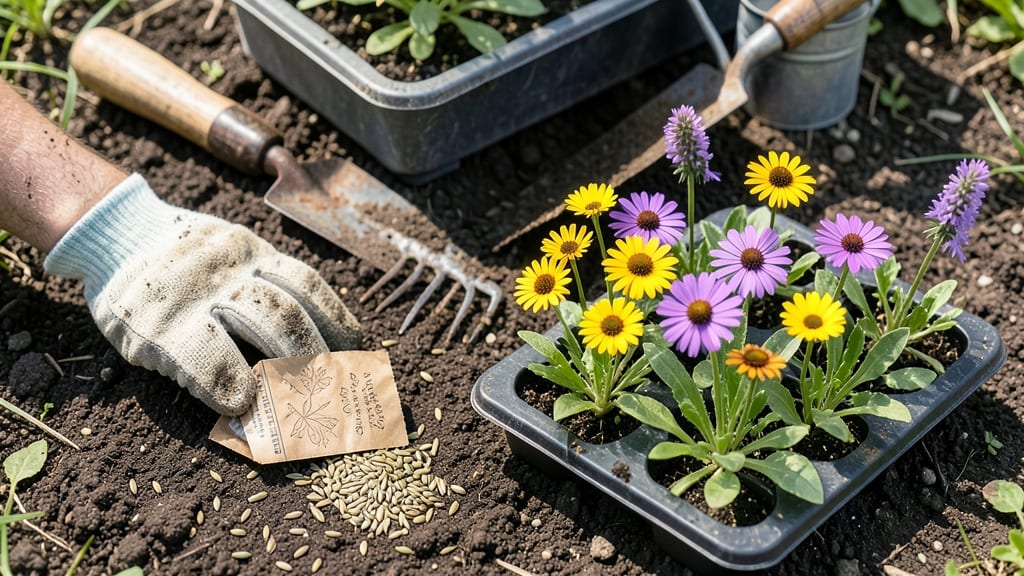
Planting wildflowers in Zone 7 at the right time is the secret to a meadow bursting with color every year.
Timing your wildflower planting in Zone 7 can mean the difference between a vibrant meadow and a sparse patch of dirt—here’s the exact schedule to maximize blooms year after year.
Most gardeners in Zone 7 focus on spring planting, but early fall offers a second chance for success. The key is to avoid planting too close to the last frost date, which in most of Zone 7 falls around mid-April.
Below, I’ll walk you through the best months for planting, whether you’re working with annuals or perennials, and how to prep your soil for the best results.

Best planting months for wildflowers in Zone 7 by season
In Zone 7, where temperatures range from 10°F to 20°F in winter and 80°F to 90°F in summer, timing your wildflower planting is everything. The right season ensures strong root establishment before extreme heat or cold, while the wrong timing can leave seeds vulnerable to drought, frost, or erosion.
Let’s break down the best months for each season, including adjustments for Zone 7a (colder winters) and Zone 7b (milder winters).
Spring planting in Zone 7 typically starts in early March for Zone 7b and mid-to-late March for Zone 7a, right after the last frost date (usually April 15). Fall planting, however, offers a longer window—from late August to early October—allowing seeds to germinate before winter dormancy.
Summer planting is possible but riskier due to heat stress and competition from weeds.
| Season | Ideal Planting Months | Zone 7a Adjustments | Zone 7b Adjustments | Key Considerations |
|---|---|---|---|---|
| Spring | March–April | Wait until mid-April for frost-free soil | Plant as early as late February | Soil temp: 50°F+, avoid compacted soil |
| Summer | June (limited) | Use shade cloth for delicate species | Best for heat-tolerant annuals | Water daily until established |
| Fall | September–October | Plant by early September for germination | Extend to mid-October for mild winters | Avoid planting after first frost |
| Winter | Not recommended | Seeds won’t germinate in freezing temps | Same risk in Zone 7b | Wait for spring instead |
For spring planting, focus on cool-season wildflowers like bluebonnets and lupines, which thrive when soil temperatures hover around 50°F to 60°F. In Zone 7a, where frosts linger longer, delay planting until mid-April to avoid seedling damage.
Meanwhile, Zone 7b gardeners can start as early as late February for species like cosmos and zinnia, which germinate quickly in warmer microclimates.
Summer planting is not ideal for most wildflowers, but heat-loving annuals like sunflowers or black-eyed Susans can tolerate June sowings if given consistent moisture. The key is to water deeply twice daily during the first 2 weeks to prevent seed desiccation.
Mulch with straw to retain soil moisture and reduce weed competition.
Fall is often the best time to plant wildflowers in Zone 7 because cooler temperatures reduce stress on germinating seeds. Aim to plant 6 to 8 weeks before the first frost (typically late September to early October).
This gives seeds time to establish roots before winter dormancy. Native perennials, such as coneflowers and goldenrod, benefit most from fall planting, as they develop deep root systems over winter.
If you’re planting annual wildflowers like marigolds or poppies, late summer (August) is a great alternative. These fast-growing species can establish roots before fall rains and bloom profusely in spring.
However, avoid planting after September 15 in Zone 7a, as seeds may not have enough time to germinate before frost.
For Zone 7b, where winters are milder, you can push fall planting into mid-October for species like snapdragons or pansies, which handle light frosts. Always check your local frost dates—tools like the National Weather Service or Old Farmer’s Almanac provide reliable forecasts.
Pro tip: Test soil moisture before planting; seeds need consistent dampness to germinate, but waterlogged soil can cause rot.
One common mistake is assuming all wildflowers thrive in the same conditions. Native wildflowers (e.g., purple coneflower) often require less water and no fertilizer, while non-native annuals (e.g., cosmos) may need light feeding for vibrant blooms.
Always match your wildflower mix to your climate and sunlight conditions—full sun (6+ hours
How to adjust planting for perennial vs. annual wildflowers
Choosing between perennial and annual wildflowers changes your entire planting strategy. Perennials like black-eyed Susans and coneflowers return year after year, while annuals like cosmos and zinnia bloom fast but die with frost. Your soil prep and timing must match each type's needs.
For perennial wildflowers, focus on root establishment. Plant in early spring (March-April) or early fall (September-October) in Zone 7. This gives roots time to grow before extreme heat or cold.
Annuals, however, thrive when sown directly after the last frost (April 15 in Zone 7) for instant summer color.
Perennial Wildflowers
- Returns yearly
- Established roots handle drought
- Supports pollinators long-term
- Slower initial growth
- Requires more soil prep
- May need winter mulch
Annual Wildflowers
- Fast, vibrant blooms
- No winter care needed
- Easy to replace yearly
- Dies with frost
- Requires reseeding
- Less pollinator support long-term
Soil prep differs too. For perennials, till the soil 12 inches deep to break up compaction and mix in compost. This encourages deep root growth. Annuals only need a light raking to loosen the top 2 inches of soil—just enough to scatter seeds.
Watering strategies shift after planting. Perennials need deep watering once a week for the first season to establish roots. Annuals prefer light, frequent watering until germination (about 10-14 days), then taper off as they mature.
Mulching plays a bigger role for perennials. Apply 2-3 inches of straw mulch after planting to retain moisture and protect roots in winter. Annuals don’t need mulch unless your soil dries out quickly—then a thin layer of straw helps conserve moisture.
Remember, native perennials like purple coneflower thrive with minimal intervention, while non-native annuals like sunflowers may need occasional fertilizing. Adjust your approach based on the mix you choose! 🌼