
How To
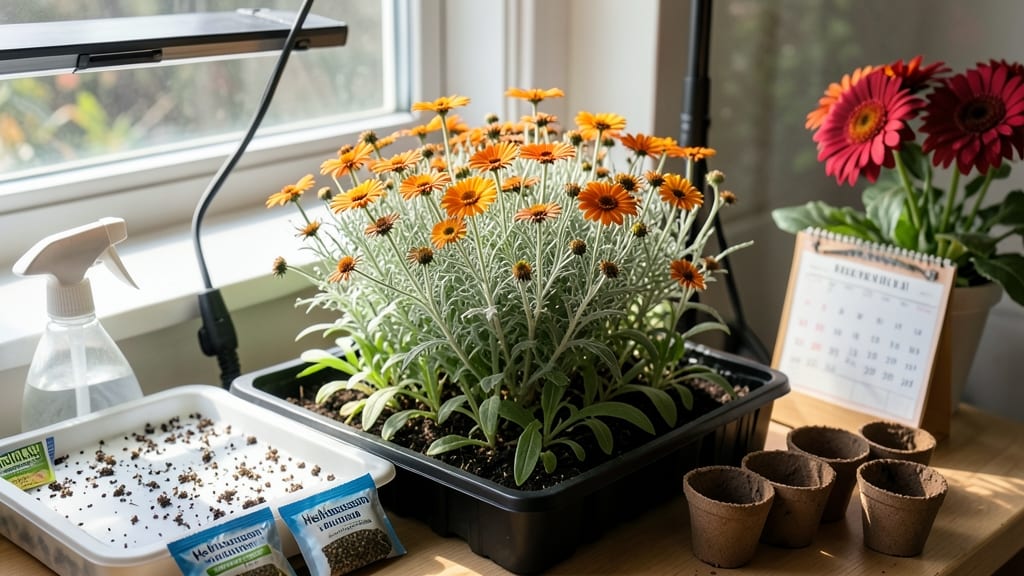
To start strawflower seeds indoors, aim for 8–10 weeks before your last frost — a window that turns February into your best bet for late-summer blooms 🌼.
Picture this: you’ve got a sunny windowsill ready, but if you plant too early, your seedlings will outgrow their pots by spring. Too late, and you’ll miss the peak bloom season when florists and gardeners alike fight for the last fresh bouquets.
The difference between a thriving patch and a wasted effort often comes down to those two critical weeks.
Strawflowers aren’t like your average annuals—they need 10–12 weeks from seed to bloom, which means timing your start is less about guessing and more about math.
Whether you’re in Zone 6a or further south, this guide breaks down the exact dates to plant, adjusts for regional frost delays, and even covers how light levels can shift your schedule by up to 4 weeks.
You’ll walk away with a custom timeline for your zone, tips to troubleshoot leggy seedlings, and a side-by-side comparison of strawflowers vs. other cut flowers—so you can plan your garden like a pro and enjoy those long-lasting, papery blooms all season long.
Strawflower seed starting timeline by USDA planting zones
Strawflowers (Helichrysum) thrive when started indoors at the perfect time—too early and your seedlings will outgrow their containers, too late and you’ll miss peak blooms. Since they need 10–12 weeks from seed to flower, timing depends on your USDA zone and last frost date.
Here’s how to calculate your exact indoor sowing window for vibrant, long-lasting blooms.
Most gardeners in USDA Zones 3–10 should start strawflower seeds indoors 8–10 weeks before the average last frost. But this varies by 1–2 weeks depending on your location.
For example, Zone 3 gardeners (like those in Minnesota) need to start in early February, while Zone 10 (Florida) can wait until mid-March.
Use this zone-specific timeline to avoid common mistakes like leggy seedlings (from insufficient light) or stunted growth (from transplanting too early). The key is aligning your indoor start with your garden’s frost-free window—strawflowers love warm soil and won’t tolerate cold snaps.
If you’re unsure about your last frost date, check your local USDA zone map or use a frost calculator like the Old Farmer’s Almanac. For example, if your last frost is April 20, count backward 8–10 weeks to determine your indoor start date.
My Zone 5 garden typically starts seeds around February 1 to ensure blooms by late July.
For gardeners in warmer zones (8–10), you can even
Key factors that change your strawflower starting time
Your strawflower seeds might need a 2–4 week earlier start than the standard schedule if you’re battling low-light conditions or cool indoor temps. Even a small 6-inch pot can delay root growth compared to larger containers, pushing back your ideal transplant date.
Understanding these factors lets you adjust your timeline without missing bloom season.
Light exposure is the biggest wildcard—strawflowers crave 6+ hours of sun, but most windowsills deliver only 2–4 hours. Without supplemental grow lights, seedlings stretch toward weak light, becoming leggy and weak.
This forces you to start seeds 4 weeks earlier to compensate, or risk spindly plants that flop in the garden.
Temperature swings also shift your timeline. Strawflower seeds germinate best at 70°F (21°C), but most homes hover around 65°F (18°C)—slowing germination by 3–5 days. Add low humidity (common in heated homes), and you’re looking at 2 extra weeks before seedlings emerge.
A simple heat mat or clear plastic dome can cut that delay in half.
⚠️ WARNING: Common Mistakes That Shift Your TimelinePlanting seeds too close together (less than 1 inch apart) causes competition for light, stunting growth by 10–15%. Thin seedlings early or use larger cells (4+ inches) to avoid delays.
Rushing seedlings outdoors without 7–10 days of acclimation shocks them, setting back growth by 1–2 weeks. Start hardening off 2 weeks before transplanting to prevent setbacks.
If seedlings stretch taller than 6 inches indoors, they’ll flop in the garden. Bury stems deeper at transplant or use reflective surfaces to trick them into growing stockier.
Container size matters more than you’d think. Strawflowers develop stronger roots in 6+ inch pots, which translates to 2–3 weeks faster growth than cramped 2-inch cells. Upgrade to 4-inch pots by the 4-leaf stage to avoid root-bound stress that delays flowering.
Smaller pots also dry out faster, forcing you to water more often and risk overhead moisture that causes damping-off.
Humidity plays a sneaky role too. Strawflower seeds need 50–60% humidity to germinate, but most homes dip below 40% in winter. A clear plastic dome or pebble tray beneath trays adds 10–15% humidity, cutting germination time from 14 to 10 days.
Without it, you might lose 20% of seeds to dryness before they sprout.
Pro tip: Track your seedlings’ growth rate weekly. If they’re growing slower than 1 inch per week, adjust your transplant date by adding 1–2 weeks. Use a growth journal to note light levels, temps, and watering—this helps you fine-tune next year’s timing.
With these tweaks, you’ll nail that peak bloom window every time. 🌼