
Lawn
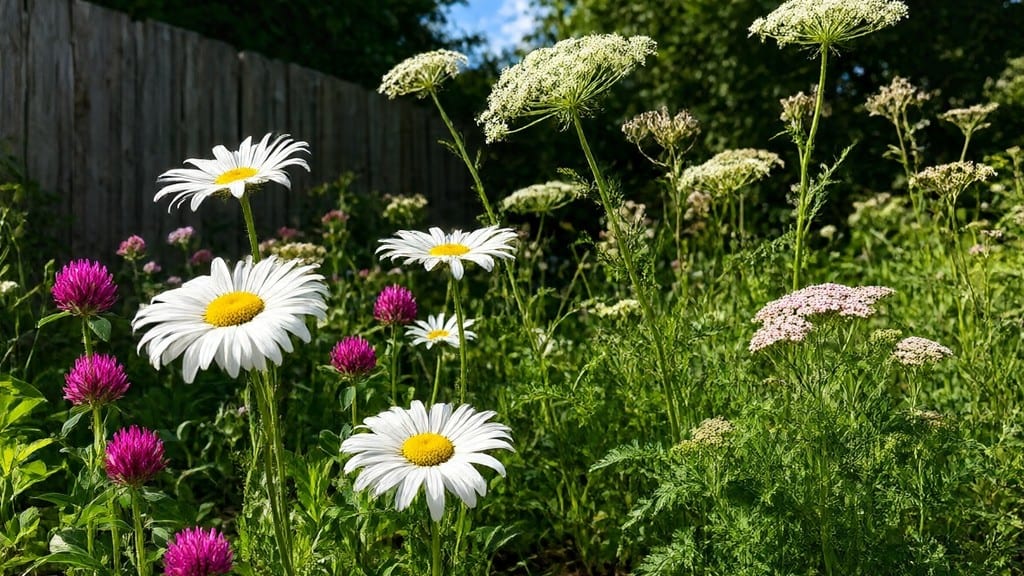
A vibrant wild flower lawn 🌼 replaces your high-maintenance grass with a thriving, low-effort meadow that hums with life.
Tired of mowing, watering, and maintaining a boring green lawn? A wild flower lawn transforms your yard into a vibrant, pollinator-friendly ecosystem with minimal effort—while saving you time and money.
This isn’t just about ditching the lawnmower—it’s about creating a living tapestry that blooms year-round, supports local wildlife, and thrives on rainwater. The best part? Once established, it practically takes care of itself.
In this guide, I’ll walk you through the easiest seed mixes for your zone, step-by-step planting tips, and how to keep it lush with almost no work. Let’s get started.
Best low-maintenance wildflower seed mixes for year-round beauty
A wildflower lawn isn't just a trend—it's a practical solution for homeowners who want colorful blooms without the high maintenance of traditional grass. The right seed mix can provide year-round interest, support local pollinators, and thrive in your specific climate zone.
With options tailored for dry climates, shady areas, and sunny meadows, you can create a low-water, eco-friendly landscape that flourishes with minimal effort.
Choosing the perfect mix depends on your USDA hardiness zone, soil type, and desired bloom seasons. Some blends focus on spring color with early bloomers like lupine and violets, while others prioritize summer-long blooms with coneflowers and black-eyed Susans.
Below, I’ve compared the top low-maintenance seed mixes to help you pick the best option for your yard.
⚠️ Pro Tip: Always check the seed packet for regional suitability—some mixes include invasive species that can harm local ecosystems. Opt for native wildflower blends whenever possible to support biodiversity.
If you live in dry climates like USDA Zones 7-10, the Everwilde Drought-Tolerant Mix is my top recommendation. It features yarrow, blanket flower, and purple coneflower, all of which thrive with minimal watering once established.
This mix also attracts butterflies and bees while requiring no mowing—just occasional deadheading to encourage reblooming.
For shady yards in Zones 5-8, Parker's Shady Meadow Mix is a game-changer. It includes wild columbine, Virginia bluebells, and foxglove, which flourish in partial shade and add vertical interest to your garden. These plants also self-seed, reducing the need for replanting each year.
If you want year-round color, the American Meadows Butterfly & Bee Mix is unbeatable. It combines spring ephemerals like bloodroot and trillium with summer bloomers such as black-eyed Susan and goldenrod. This mix ensures your lawn stays vibrant from March through October, with minimal deadheading required.
For sunny, open spaces, the Wildseed Farms Sunflower Mix delivers bold, cheerful blooms that birds and pollinators adore. Sunflowers grow tall and sturdy, providing year-round interest even after the flowers fade. Plus, the seeds attract finches and chickadees, turning your lawn into a wildlife hotspot.
Native mixes like Native American Seed's Prairie Star are ideal for eco-conscious gardeners. These blends include little bluestem,
How to plant and maintain a wildflower lawn without the hassle
A wildflower lawn isn't just a low-maintenance alternative to grass—it's a living ecosystem that thrives with minimal intervention. The key lies in proper soil preparation, strategic seeding techniques, and understanding your local climate. Unlike traditional lawns, wildflower meadows reward patience with year-round color and fewer weeds.
But where most gardeners falter is in the watering schedule and long-term care. Let’s break this down into simple, actionable steps to ensure your wildflower lawn flourishes from day one.
Before diving into planting, it’s critical to test your soil and amend it if needed. Wildflowers prefer well-draining soil with a slightly acidic to neutral pH (6.0–7.0). If your soil is heavy clay or sandy, mix in compost or organic matter to improve texture and fertility.
Avoid over-fertilizing—wildflowers thrive in lean conditions. Once your soil is ready, the real magic happens in the seeding process, which requires precision to avoid patchy growth.
Step-by-Step Guide to Planting and Maintaining Your Wildflower Lawn
- 1 Clear the Area: Remove existing grass using a sod cutter or glyphosate herbicide (apply 2–4 weeks before planting). For small patches, hand-pull weeds.
- 2 Prepare Soil: Loosen the top 4–6 inches of soil with a garden rake or tiller. Level the ground and remove rocks or debris.
- 3 Scatter Seeds: Broadcast seeds evenly using a seed spreader or by hand. Aim for 1–2 lbs per 100 sqft for a dense meadow. Lightly rake to ensure seed-to-soil contact.
- 4 Water Gently: Keep soil moist (not soggy) for the first 4–6 weeks. Water lightly daily or deeply every 2–3 days to encourage germination.
- 5 Reduce Maintenance: Once established, mow once per year in late fall to prevent seed buildup. Avoid fertilizers or pesticides—wildflowers rely on natural biodiversity.
- 6 Monitor and Refresh: After 2–3 years, thin out overgrown areas and reseeds sparse patches in early spring. Mulch lightly with straw in winter to protect roots.
The biggest mistake I see gardeners make is overwatering after the initial germination phase. Once your wildflowers are established (typically after 6–8 weeks), they’re drought-tolerant and only need 1 inch of water per week.
Overwatering can drown roots and invite weeds. Another common pitfall is mowing too frequently—wildflowers need time to bloom and reseed. Aim for one low cut per year to maintain a natural look.
For long-term success, focus on seasonal care. In spring, remove any winter debris and spot-treat weeds with a vinegar-based spray. Summer is all about watering deeply but infrequently, while fall is the best time to add new seeds or divide clumps.
Mulching with straw or leaves in winter helps insulate roots from freezing temperatures.
If your wildflower lawn develops patchy areas, don’t panic. This often happens due to uneven seeding or soil compaction. Rake the bare spots lightly, scatter fresh seeds, and keep the area consistently moist for 2–3 weeks.
Over time, your meadow will fill in naturally, especially if you’ve chosen native species adapted to your climate.
With the right approach, your wildflower lawn will become a self-sustaining ecosystem that requires far less effort than a traditional lawn. The best part? You’ll enjoy butterflies, bees, and birds visiting your yard all season long—no extra work required!