
Succulent
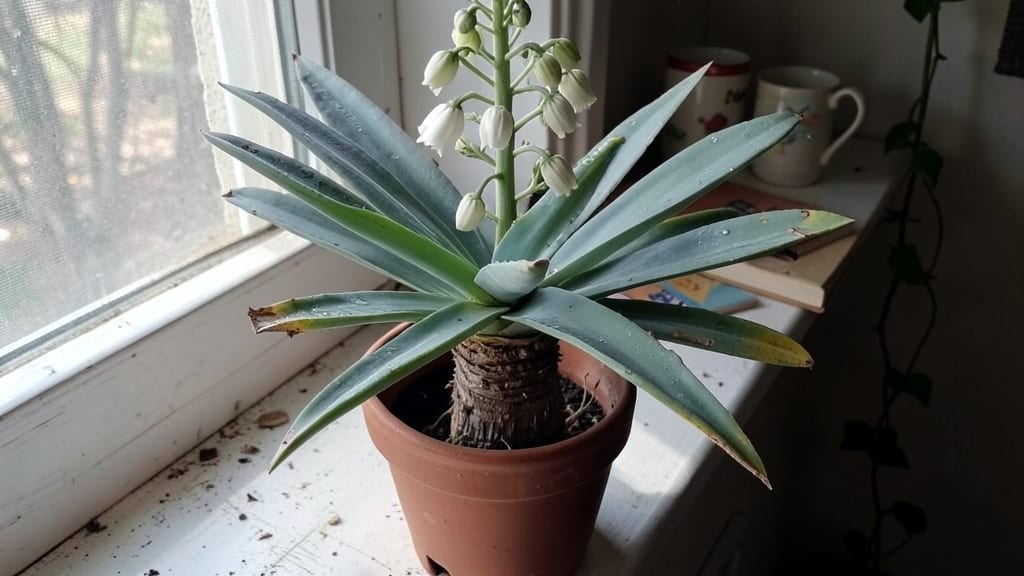
Yucca tree flowers are the stunning reward for patient growers—those towering white or cream spikes that turn a simple landscape into a showstopper 🌵.
But here’s the catch: most yuccas wait five years or more before they even think about blooming. If yours is still just a sculptural green pillar, you’re not alone—and there’s a science (and a few tricks) to coax those dramatic flowers into action.
From sunlight secrets to the right kind of stress, I’ll walk you through exactly how to give your yucca the best shot at flowering, whether you’re in a desert climate or a cooler USDA Zone 6a. Spoiler: it’s not about throwing more water at it.
Ready to turn that architectural plant into a flowering star? Let’s get started with the three key factors that make the difference between a green wall and a garden centerpiece.
When and why yucca trees flower: natural blooming cycles explained
Yucca trees typically bloom between late spring and early summer, though some varieties may flower in fall depending on your climate zone.
The timing is influenced by temperature shifts, day length, and even drought stress—all signals that tell your yucca it’s time to produce those dramatic flower spikes.
In desert regions like USDA Zones 9-11, blooming often occurs in March or April, while cooler climates in Zones 4-7 may see flowers in May or June.
Most yuccas won’t flower until they’re at least 5 years old, though some fast-growing varieties like Yucca filamentosa may produce blooms as early as 3-4 years with ideal conditions. Younger plants focus their energy on root and foliage growth, so patience is key.
Even mature yuccas may skip a year if they’re not getting the right signals—like a winter chill period or reduced watering—to trigger flowering.
Here’s what your yucca’s blooming cycle looks like:
| Factor | Details | Regional Variations |
|---|---|---|
| Age Requirement | 5+ years (3-4 years for fast growers) | Desert yuccas may bloom earlier (3 years) |
| Blooming Season | Late spring to early summer (March-June) | Fall blooms in Zones 4-7 (September-October) |
| Temperature Trigger | 50-60°F winter chill (6-8 weeks) | Zones 9-11: Minimal chill needed |
| Sunlight Needs | 6+ hours full sun daily | Partial shade in Zones 4-6 (prevents heat stress) |
| Watering Trigger | Reduced watering in late winter | Drought stress in desert climates |
| Flower Spike Height | 2-6 feet tall (species-dependent) | Taller in warm climates (Yucca gigantea) |
Yuccas in desert climates often bloom earlier because they experience natural drought stress during winter months. In contrast, yuccas in temperate zones like the Pacific Northwest may need a dry spell in late winter to mimic these conditions.
Think of it like a wake-up call: your yucca needs to sense that resources are limited to trigger flowering. Overwatering in winter can delay—or even prevent—blooms entirely.
Another critical factor is sunlight exposure. Yuccas need 6+ hours of direct sun daily to produce flowers, but too much intense heat without proper water retention in the soil can stress the plant.
In USDA Zone 7 or cooler, partial afternoon shade helps prevent heat stress while still providing enough light for blooming. If your yucca isn’t getting enough sun, it may produce smaller or fewer flowers, or none at all.
Did you know that yucca flowers are pollinated by moths and bats? The fragrant, night-blooming flowers attract these pollinators, which is why yuccas often bloom in late evening or at dawn.
If you’re growing yuccas in urban areas with fewer pollinators, you might see fewer seed pods forming after blooming. Hand-pollinating with a soft brush can help if you’re aiming to propagate new plants from seeds.
One common misconception is that yuccas only flower once. While a single flower spike may die back after blooming, mature yuccas can produce multiple spikes per season if given the right care.
For example, a 10-year-old Yucca filamentosa in my garden produced three separate flower stalks in one summer after I adjusted its watering schedule. The key is to avoid over-fertilizing with nitrogen, which encourages leafy growth at the expense of flowers.
If your yucca is over 5 years old but still hasn’t bloomed, it might be time to simulate natural stress signals. Try reducing watering by 50% in late winter and ensuring it gets
5 Proven methods to encourage yucca tree flowers in your garden
Yucca trees often take their sweet time blooming—sometimes waiting 5 to 10 years before producing those stunning white or cream flower spikes. But with the right approach, you can speed up the process and coax your yucca into flowering sooner.
The key lies in mimicking its natural growing conditions and avoiding common care mistakes that stifle blooms.
Many gardeners overlook the fact that yuccas are drought-tolerant desert plants at heart. They thrive on neglect but need specific triggers to flower. From controlled watering to strategic fertilization, these methods will help your yucca bloom like never before. Let’s dive into the science-backed techniques that work.
Reduce watering to every 3-4 weeks in late summer to mimic desert conditions. This triggers flowering hormones in mature yuccas.
Use a balanced 5-10-10 fertilizer in early spring to promote blooms. Avoid high-nitrogen feeds, which encourage leafy growth over flowers.
Yuccas need 4-6 weeks below 50°F to break dormancy. In warmer climates, move potted yuccas to a cool garage or shed for 6 weeks in winter.
Cut back spent flower stalks at the base in late summer. This redirects energy to root and foliage growth, setting the stage for next year’s blooms.
Move mature yuccas every 3-4 years to refresh soil nutrients. Choose a sunny, well-draining spot with sandy or gravelly soil to reduce stress.
One of the biggest mistakes gardeners make is overwatering their yuccas. Too much moisture stresses the roots and prevents flowering. Instead, let the soil dry out completely between waterings, especially in summer and fall.
This mimics the arid conditions yuccas thrive in and signals the plant to focus on blooming.
Another critical factor is light exposure. Yuccas need full sun (6+ hours daily) to produce flowers. If your plant is in partial shade, consider relocating it to a sunnier spot or supplement with a grow light during shorter winter days.
Even a few extra hours of sunlight can make a difference in flowering.
Finally, avoid pruning your yucca during the growing season, as this can delay or prevent blooms. Only prune dead or damaged leaves and wait until after flowering to remove spent stalks. This ensures your yucca has the energy it needs to recover and prepare for next year’s blooms.
With these methods, your yucca should start producing those show-stopping flower spikes within 1-2 years. Patience and consistency are key—yuccas reward careful gardeners with years of stunning blooms once they get the right care. 🌵