
Watering
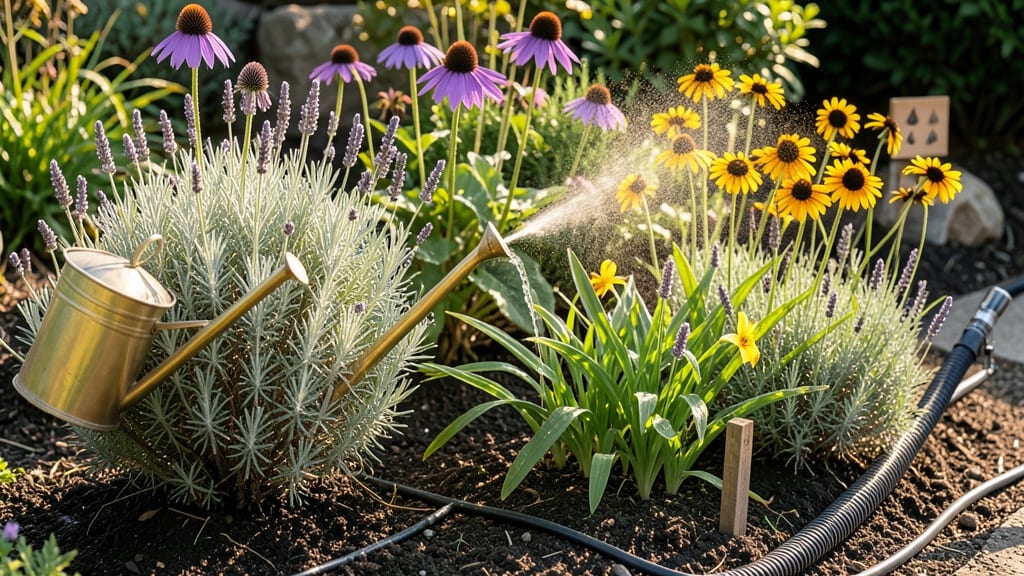
The best time to water flower beds is early morning, when roots soak up moisture most efficiently and evaporation stays low 🌸 — a small shift that makes a big difference in plant health.
Struggling to keep your flower beds vibrant and healthy? The secret might be hiding in the timing of your watering routine—morning watering isn’t just a myth, it’s a science-backed game-changer for root growth and plant resilience.
Watering in the morning gives your flower beds a head start, reducing fungal risks and helping plants fight off pests before the heat sets in. Plus, it lets the soil absorb moisture deeply, so you’re not wasting water on evaporation or fungal growth later in the day.
In this guide, I’ll break down the ideal morning schedule, how to adjust for different climates, and the key signs that tell you when your flower beds are getting just the right amount of water.


Why morning watering boosts flower bed growth (science-backed timing)
If your flower beds look less vibrant than you'd like, the issue might be when you're watering. Science shows that morning watering gives your plants the best start—literally. The ideal time to water is between 6 AM and 10 AM, when temperatures are cooler and evaporation rates are lowest.
This timing maximizes water absorption and minimizes waste, ensuring your roots grow stronger and your blooms stay lush.
Plants absorb water most efficiently when the soil is cool and the sun isn’t scorching the surface. Morning watering allows roots to soak up moisture before the day’s heat causes evaporation.
Studies show that up to 30% more water is lost through evaporation when watering in the afternoon or evening, meaning your plants get less hydration for the same effort.
Another critical factor is fungal disease prevention. Wet foliage left overnight creates the perfect environment for powdery mildew and black spot. Morning watering gives leaves time to dry completely before evening humidity sets in, reducing disease risk by up to 50% in humid climates.
This is especially important for delicate blooms like roses and hydrangeas, which are prone to fungal issues.
Let’s break down the science-backed benefits of morning watering with a quick comparison of how timing affects your flower beds:
The ideal temperature range for watering is between 55°F and 75°F. When soil temperatures rise above 80°F, water evaporates too quickly, and roots struggle to absorb moisture efficiently.
Morning watering aligns perfectly with these conditions, especially in USDA Zone 6a, where spring and fall temperatures fluctuate but rarely exceed this range before noon.
Humidity also plays a role. In humid climates, morning watering reduces the risk of airborne diseases by allowing foliage to dry faster. Conversely, in dry climates, watering in the morning prevents soil from drying out completely by midday, which is crucial for drought-tolerant plants like lavender and succulents.
Aim to water deeply but infrequently—about 1-1.5 inches per week—to encourage deep root growth.
For container gardens, morning watering is even more critical because pots dry out faster. Check soil moisture by sticking your finger 1 inch deep—if it’s dry, water thoroughly until it drains from the bottom.
Mulching around your flower beds can also help retain moisture, reducing the need for frequent watering by up to 30%. Use organic mulch like straw or shredded bark to keep soil cool and hydrated.
Don’t overlook the psychological benefits for your plants! Morning watering mimics natural rainfall patterns, signaling to roots that it’s time to expand and grow. Many gardeners notice faster blooming and healthier foliage within weeks of switching to morning watering.
Give it a try—your flower beds will thank you with vibrant blooms and robust growth all season long.
Pro tip: Use a rain gauge or tuna can to measure water output—aim for 1 inch per week during peak growing months. Adjust based on rainfall, and always water at the base of plants to avoid wetting leaves unnecessarily.
Morning vs. evening watering: what your flowers really need
Choosing the best time to water flower beds isn’t just about convenience—it’s about giving your blooms the perfect conditions to thrive. Morning watering is often recommended, but evening schedules have their place too.
The key lies in understanding how soil temperature, humidity, and evaporation rates change throughout the day.
In spring and summer, the stakes are even higher. Hot afternoons can cause up to 30% more water loss through evaporation, while damp evening foliage creates ideal conditions for fungal diseases like powdery mildew.
Let’s break down the pros and cons to help you decide what works best for your garden.
Morning Watering vs. Evening Watering
Morning Watering
- ✅ Reduces evaporation (cooler temps)
- ✅ Encourages deep root growth (water penetrates soil)
- ✅ Prevents fungal diseases (foliage dries quickly)
- ✅ Best for most flowers (spring/summer)
Evening Watering
- ❌ Increases fungal risk (wet foliage overnight)
- ❌ Attracts pests (mosquitoes, slugs)
- ✅ Good for drought-prone areas (cooler temps)
- ✅ Works in desert climates (minimizes evaporation)
If you’re watering in the morning, aim to finish by 10 AM to let foliage dry before afternoon heat sets in. This timing allows roots to absorb moisture while minimizing water waste from evaporation.
For delicate blooms like roses or hydrangeas, morning watering also reduces the risk of bud rot.
Evening watering can work in cooler climates or during fall months, but it requires caution. If you must water in the evening, avoid wetting leaves and focus on deep soil watering instead. This method helps roots access moisture without inviting pests or diseases.
Seasonal adjustments are crucial. In summer, stick to morning watering to combat high evaporation rates. In spring, you might experiment with both times, but always monitor your plants for signs of stress like wilting or yellowing leaves. Your flowers will thank you!
Ultimately, the best time to water flower beds depends on your climate, plant types, and local conditions. Start with morning watering as your baseline, then tweak as needed. Your garden’s health—and your water bill—will benefit! 🌸