
Pruning
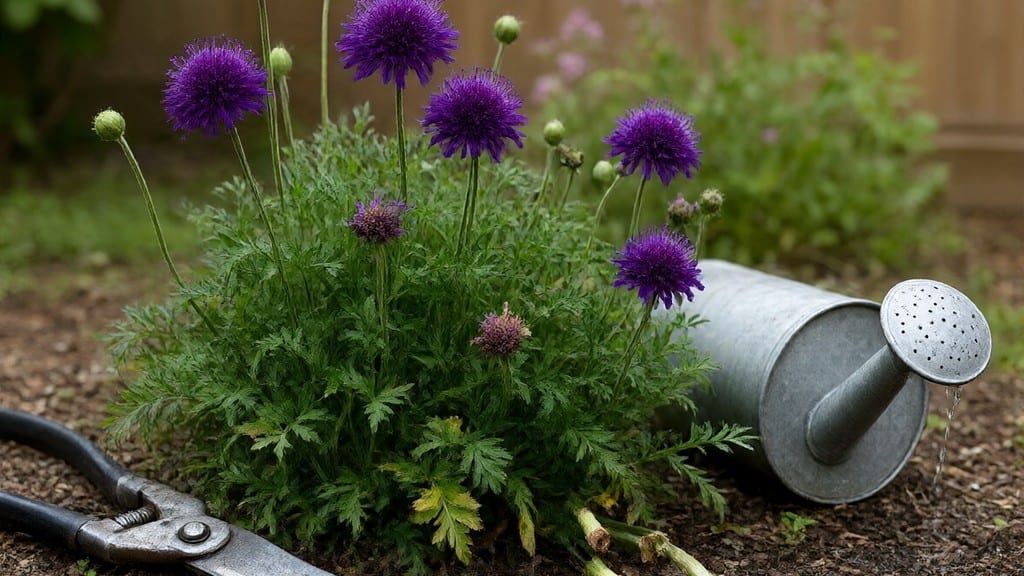
Deadheading pincushion flowers keeps those velvety purple pom-poms coming back all season long. ✨ I’ve learned the hard way that skipping this step means fewer blooms and leggy stems—now I deadhead mine every week, and the plants reward me with flowers from spring until frost.
The trick is timing and technique. You’ll need clean pruners and a sunny afternoon when the blooms are dry. Snip just above the first set of healthy leaves below the faded flower head, and avoid cutting into the woody stems.
This simple cut tells the plant, “Keep going!” instead of “Check out.”
Within days, you’ll see fresh buds forming where you made your cuts. The plants stay bushier, bloom more prolifically, and even resist powdery mildew better. By late summer, my pincushions look like they’re still in peak season—no wilting or bare stems in sight.
Works for both garden beds and containers, and the same method applies to other long-blooming perennials like coneflowers or black-eyed Susans. Here’s exactly how I do it—no guesswork, just consistent results.
📚 In This Guide
- What you need
- Instructions
- Tips and common mistakes
- Wrapping up and next steps
What you need
- ● Sharp pruning shears – Bypass-style (not anvil), 5-6 inch blades (for precision cuts). Must be sterilized with rubbing alcohol or soapy water before use.
- ● Gloves – Heavy-duty gardening gloves (thorn-resistant if your pincushion has spiky stems).
- ○ Pruning saw – Optional but helpful for thicker stems (only if deadheading mature plants).
- ● Disposable pruning bags or bucket – For collecting spent blooms and debris.
- ● Hose or watering can – To clean tools and rinse off sap/stems.
- ● Know your pincushion’s blooming cycle – Deadhead after flowers fade but before seed pods form (usually 2-4 weeks post-bloom).
- ● Sunny, dry conditions – Prune on a clear, warm day to reduce stress on the plant.
- ● Patience – Take your time! Rushing can damage stems or encourage disease.
How to deadhead pincushion flowers for continuous beauty
Here's the simple routine I use to keep pincushion flowers blooming nonstop—no fancy tools or guesswork.
🌿 Step 1: Identify Spent Blooms at the Right Time
Wait until a pincushion flower's petals fully open but start turning brown at the edges—that's your cue. I check each stem daily during peak bloom season because these flowers last only 7-10 days before they need attention. The center should look slightly wilted or the petals may even begin to drop naturally.
Here's the thing—don't deadhead when the flower is still vibrant. You'll see fresh blooms still holding their color tightly. Wait until at least 50% of the petals show signs of fading. This ensures you're not removing flowers that could still attract pollinators for another day or two.
✂️ Step 2: Use the Right Cutting Technique
Grab your clean, sharp pruners and make a clean cut just above a set of leaves or where the stem shows a slight bump (this is the node where new growth emerges). I always cut at a 45-degree angle to prevent water from pooling on the cut surface, which could cause rot.
Don't snip too close to the base—leave about ½ inch of stem above the node. You'll notice the stems have a woody texture near the base, so cutting too low can damage the plant's ability to produce new blooms. For pincushions, precision matters more than speed here.
💧 Step 3: Encourage New Growth After Pruning
After deadheading, give the plant a light watering if the soil feels dry to the touch. Pincushion flowers thrive in well-draining soil, so I never let them sit in soggy conditions. The roots need oxygen to support new flower production, and overwatering suffocates them.
Here's what I do: Water deeply until you see moisture emerge from the drainage holes, then stop. The top 1-2 inches of soil should feel damp but not wet. You'll see new buds forming within 2-3 weeks if the plant is healthy and getting enough sunlight.
☀️ Step 4: Maintain Consistent Light and Nutrition
Pincushion flowers need full sun (at least 6 hours daily) to produce their best blooms. If you notice fewer flowers after deadheading, check if your plant is getting enough light. I move mine to a sunnier spot if the stems start stretching or the leaves lose their vibrant color.
Feed with a balanced, water-soluble fertilizer every 4-6 weeks during the growing season. You'll see stronger stems and more abundant blooms when the plant has the nutrients it needs. Just don't overdo it—too much fertilizer can lead to leafy growth with fewer flowers.
⏰ Step 5: Adjust Seasonal Care for Year-Round Blooms
In fall, reduce watering slightly as the plant enters dormancy. You'll notice the growth slows and the leaves may turn slightly yellow—this is normal. Cut back any dead or damaged stems in late winter, but leave the healthy ones to encourage early spring blooms.
Real talk: Pincushion flowers are tough, but they'll reward you with continuous color if you stay consistent. The key is regular deadheading combined with proper light and water. You'll love how they keep blooming all season long with just a little attention.
Tips & tricks for deadheading pincushion flowers
These simple strategies will help you keep your pincushion flowers looking stunning with minimal effort.
Timing is Everything: The 7-10 day window for deadheading is crucial—don't wait until the flowers are completely brown and dried. I've learned the hard way that waiting too long means the plant puts energy into seed production instead of new blooms. Check your pincushions daily during peak bloom season for that perfect moment when petals start showing brown edges but still have vibrant color.
The Precision Cut: When making that 45-degree cut in Step 2, I always look for the slight bump on the stem where new growth emerges. This node is your target—cutting just above it ensures you're not damaging the plant's ability to produce new flowers. Use clean pruners to avoid spreading disease, and always sterilize them with rubbing alcohol between plants if you're working with multiple pincushions.
Watering Wisdom: After deadheading, the 1-2 inch soil moisture rule is key. I test by sticking my finger in the soil—if it feels dry at that depth, it's time to water. Overwatering is the biggest mistake I see gardeners make with pincushions. The roots need oxygen to support new flower production, so well-draining soil is absolutely essential. You'll notice new buds forming within 2-3 weeks if you've got this right.
Seasonal Adjustments: In fall, when growth naturally slows, reduce watering by about 30% as the plant enters dormancy. I cut back any dead stems in late winter but leave the healthy ones to encourage early spring blooms. This seasonal adjustment is what keeps your pincushions blooming continuously year after year with minimal pruning.
Pro Tips for Deadhead Pincushion Flower
- These simple strategies will help you keep your pincushion flowers looking stunning with minimal effort.
- Timing is Everything: The 7-10 day window for deadheading is crucial—don't wait until the flowers are completely brown and dried.
- The Precision Cut: When making that 45-degree cut in Step 2, I always look for the slight bump on the stem where new growth emerges.
Frequently asked questions
Got questions about deadheading your pincushion flower? Here are answers to the most common ones—so you can keep those blooms coming without the guesswork!
What’s the best time to deadhead pincushion flowers?
Deadhead after the blooms fade but before seeds form—usually in late spring through early fall. This encourages new flowers while saving energy for next season. If you miss it, just trim back spent blooms in late winter for a fresh start!
How often should I deadhead pincushion flowers?
For continuous blooms, deadhead every 2–4 weeks, depending on growth. If you’re growing them for seeds (like for pollinators), skip deadheading and let them go to seed naturally. Over-pruning can stress the plant, so balance is key!
Can I use regular garden shears instead of pruning shears?
Yes, but sterilize them first! Pincushion flowers (like Scabiosa) can spread diseases if tools aren’t clean. Dip shears in rubbing alcohol or bleach solution between cuts. Sharp, clean tools = happier plants!
What if my pincushion flower stops blooming after deadheading?
Check for underlying issues:
- Lack of sunlight (<4 hours/day = fewer blooms)
- Over-fertilizing (stick to balanced, low-nitrogen food)
- Drought stress (keep soil evenly moist but not soggy)
Are there alternatives to deadheading for pincushion flowers?
Try these low-maintenance tricks:
- Let some blooms go to seed—pollinators love them!
- Use mulch to retain moisture and reduce stress.
- Divide clumps every 2–3 years to rejuvenate the plant.
Wrapping up and next steps
Your deadhead pincushion flower is now primed for year-round beauty with just a little effort! By mastering the art of strategic pruning, you’ve unlocked vibrant blooms and healthier growth—all while keeping maintenance simple. 🌸
Ready to level up your garden? Start by observing your pincushion flowers weekly and applying these techniques to other drought-tolerant perennials. Every snip brings you closer to a low-maintenance, high-reward landscape—happy gardening!