
Orchid Care
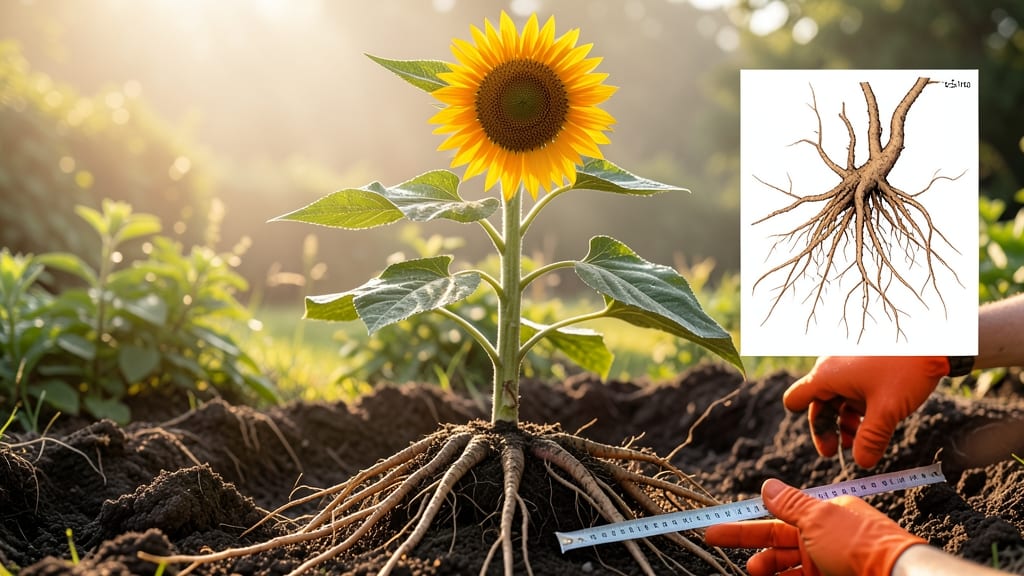
Sunflowers do have deep roots that can extend 3 to 5 feet below the surface, anchoring these towering plants and reaching moisture in dry soil.
Picture this: a 10-foot sunflower standing firm in a summer breeze, its roots stretching deeper than most gardeners imagine. That’s because their taproot system isn’t just for show—it’s the secret to their drought resilience and stability in windy conditions.
For gardeners in USDA Zone 6a, understanding how far sunflower roots spread is key to proper spacing, watering, and even companion planting. Too close to other plants, and their roots compete for nutrients; too shallow, and they struggle in dry spells.
In this guide, I’ll break down how root depth varies by variety, why it matters for your garden’s health, and the simple adjustments you can make to help your sunflowers thrive—from soil prep to watering smarter.
How deep sunflower roots grow: root depth by variety and growth stage
Sunflowers develop a primary taproot that can extend surprisingly deep—often reaching 3 to 5 feet in mature plants. This deep root system allows them to access water and nutrients far below the surface, making them remarkably drought-tolerant once established.
The depth varies significantly by variety, with giant sunflowers developing deeper roots than their dwarf counterparts.
At the seedling stage, sunflower roots grow rapidly downward, establishing a strong taproot anchor within the first 30 days. During this phase, lateral roots begin branching out horizontally, creating a network that stabilizes the plant and improves nutrient uptake.
By maturity (60-120 days), the taproot can extend up to 6 feet in ideal conditions, though most garden varieties average 3-4 feet.
Dwarf sunflowers (1-3 ft tall) typically develop roots that reach 18-24 inches deep, while standard varieties (6-10 ft) can push roots 3-5 feet into the soil. Giant sunflowers, like 'Mammoth' or 'Russian Giant,' often exceed 5 feet in root depth, enabling them to thrive in arid climates where shallow-rooted plants struggle.
Here’s how sunflower root depth compares across growth stages and varieties:
The taproot dominates early growth, but lateral roots expand as the plant matures, creating a wide nutrient-gathering zone. This dual system explains why sunflowers can thrive in poor or rocky soils—they bypass surface compaction to access deeper moisture.
In container gardening, however, root depth is limited by pot size, often capping at 12-18 inches unless deep containers (18"+) are used.
Soil type plays a critical role in root development. In loamy or sandy soils, roots penetrate deeper more easily, while clay or compacted soils can restrict growth to 24-36 inches even in mature plants.
Amending soil with compost or sand before planting encourages deeper root penetration, especially in heavy or waterlogged conditions.
Understanding root depth helps with plant spacing. Dwarf varieties can be planted 6-12 inches apart, while giants need 2-3 feet of space to accommodate their sprawling lateral roots. Overcrowding stunts root growth, leading to shallow, weak systems that struggle in dry spells.
Scientifically, sunflower roots produce root hairs that increase surface area for water absorption, a trait critical in arid climates. Studies show that deeper roots in sunflowers correlate with higher drought resistance, making them ideal for xeriscaping or regions with irregular rainfall.
Even in well-watered gardens, deep roots improve soil aeration and reduce erosion.
If you’re growing sunflowers in urban gardens with limited soil depth, consider raised beds with 18"+ depth or deep containers. For in-ground planting, avoid tilling too deeply before sowing, as this can sever emerging taproots. Instead, focus on loosening the top 12 inches of soil to encourage downward growth.
🌱
Why deep roots matter: sunflower stability, water access, and soil health
Sunflowers aren’t just about their towering bright yellow blooms—their root systems are just as fascinating. Many gardeners assume sunflowers have shallow roots, but the truth is far more impressive.
These plants develop deep taproots that can extend 6 to 8 feet into the soil, anchoring them securely and accessing moisture in dry conditions.
This deep-rooted nature isn’t just a biological quirk—it’s a critical survival strategy. In arid climates or during droughts, sunflowers can tap into water reserves that shallow-rooted plants can’t reach. Plus, their roots improve soil aeration and structure, making them a boon for garden health.
⚠️ callout warning
One of the most practical benefits of deep roots is plant stability. Sunflowers can reach heights of 10 to 15 feet, and without a strong root system, they’d topple over in wind or storms.
Their taproots act like natural stakes, keeping them upright even in heavy blooms or rainy conditions.
Deep roots also play a key role in nutrient absorption. As they grow downward, they access minerals and nutrients from deeper soil layers, reducing competition with nearby plants. This makes sunflowers excellent companion plants for vegetables like tomatoes or peppers, which benefit from their soil-improving effects.
For gardeners in drought-prone areas, sunflowers are a smart choice. Their ability to extract water from deep soil layers means they require less frequent watering once established. However, young plants still need consistent moisture to encourage root development during their early growth stages.
Beyond individual plant benefits, sunflowers contribute to overall soil health. As their roots break down, they enrich the soil with organic matter, improving water retention and microbial activity. This makes them a great rotational crop for gardens, especially after heavy feeders like corn or potatoes.