
Shrubs
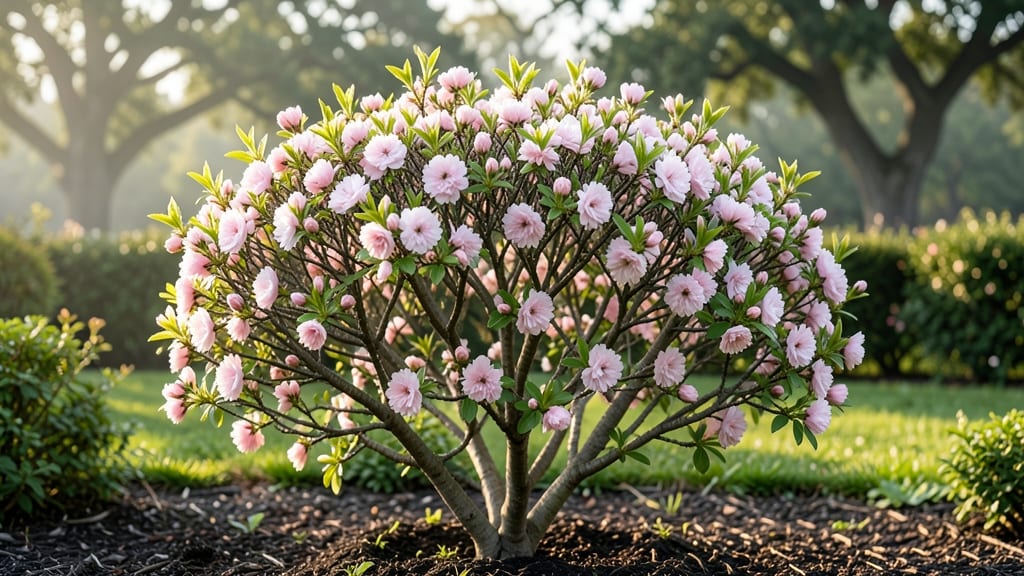
A flowering almond hedge 🌸 brings fragrant pink blooms and lush greenery to your landscape with surprisingly little effort.
Picture this: delicate blossoms filling your yard with a sweet almond scent in spring, while the glossy leaves stay vibrant all year. The best part? It thrives in full sun and needs just weekly watering once established.
If you’ve ever struggled with hedges that either flop in summer or demand constant pruning, this shrub changes the game. Its natural density means you spend less time shaping and more time enjoying its year-round fragrance.
In this guide, I’ll walk you through the exact pruning schedule to keep it lush, the seasonal care that prevents pests, and how to train it into a perfect hedge—without the fuss.
How to prune a flowering almond hedge for optimal growth and fragrance
A flowering almond hedge thrives when pruned correctly, rewarding you with abundant pink blooms and year-round fragrance. Unlike many hedges, flowering almonds bloom on old wood, so improper pruning can reduce next year's flowers.
The key is to shape in late winter while the plant is dormant but before buds swell.
Start by removing dead or crossing branches first—they compete for nutrients and block airflow. Next, thin out overcrowded areas to improve light penetration and reduce disease risk.
For a formal hedge shape, use a hand pruner to cut just outside the bud, angling cuts slightly downward to encourage outward growth.
- Step 1: Timing - Prune in late winter (February-March) after the last frost but before buds break. Avoid pruning after June to preserve next year's flowers.
- Step 2: Tools - Use sharp bypass pruners for clean cuts and a hedge shears for shaping. Sterilize tools with rubbing alcohol to prevent disease spread.
- Step 3: Remove Deadwood - Cut out dead, diseased, or damaged branches first. Look for brown stems, mushroom growth, or branches without leaves.
- Step 4: Thin Out - Space branches 4-6 inches apart to improve airflow. Remove suckers (shoots at the base) and water sprouts (vertical shoots).
- Step 5: Shape Gradually - For formal hedges, trim 1/3 of new growth annually. Use a string guide for straight lines and curved shears for rounded edges.
- Step 6: Clean Up - Rake up pruning debris and dispose of it in a green waste bin. Avoid leaving clippings near the base to prevent fungal growth.
Never prune more than 1/3 of the hedge in a single year—this stresses the plant and reduces flowering. If your hedge looks overgrown after blooming, do a light shaping trim in early summer to maintain shape without sacrificing next year's flowers.
Young flowering almond hedges (under 3 years old) need minimal pruning—just remove deadwood and shape lightly. Focus on establishing a strong structure before heavy pruning. For older hedges, rejuvenate by cutting back 1/2 of the oldest stems every 3-4 years to encourage new growth.
Watch for pruning wounds that ooze sap—this is normal but can attract pests. Apply a pruning sealant (optional) to large cuts over 1/2 inch thick. For fragrance enhancement, avoid heavy pruning near blooming branches, as this can reduce next year's scent.
After pruning, water deeply and apply a layer of mulch (2-3 inches) to retain moisture. Your hedge will reward you with denser foliage and more abundant blooms in spring. For extra fragrance, plant companion flowers like jasmine or lavender nearby to create a sensory garden experience.
Common mistakes include pruning too late in the season (after June) or using dull tools, which tear branches. Always cut at a 45-degree angle just above a bud facing outward to encourage healthy growth.
With the right technique, your flowering almond hedge will become the fragrant centerpiece of your garden.
Best seasonal care tips for a thriving flowering almond hedge
A flowering almond hedge thrives when you adapt your care routine to each season. Spring brings blooms, summer demands hydration, fall prepares for dormancy, and winter protects against frost.
Each phase requires specific attention to maintain that fragrant pink blossoms and lush foliage you love. Let’s break down the essential seasonal tasks to keep your hedge vibrant year-round.
Starting with spring care, focus on encouraging new growth while protecting delicate flowers. Summer shifts to watering discipline and pest vigilance, while fall is about preparing the roots for winter.
Winter care is minimal but critical—think mulching and light watering. Mastering these seasonal rhythms ensures your hedge stays healthy, blooms abundantly, and matures into a stunning, fragrant landscape feature.
| Season | Care Tasks | Frequency | Key Tips |
|---|---|---|---|
| Spring | Prune, fertilize, water deeply | Monthly | Use 10-10-10 fertilizer; avoid heavy pruning during bloom. |
| Summer | Deep watering, mulch, pest control | Every 5-7 days | Water at morning; watch for aphids. |
| Fall | Light pruning, reduce watering | Bi-weekly | Remove dead branches; mulch 3 inches deep. |
| Winter | Light watering, protect from frost | Monthly | Water only if soil is frozen; avoid heavy mulch. |
In spring, your flowering almond hedge awakens with new growth and pink blossoms. Start by applying a balanced fertilizer (10-10-10) in early March to fuel blooming. Prune lightly to shape the hedge, but avoid cutting more than 25% of the plant at once—this preserves next year’s flowers.
Water deeply once a week, ensuring the soil stays moist but not soggy. This season is all about encouraging lush foliage and vibrant blooms.
Summer care shifts to hydration and pest control. Your hedge needs deep watering every 5-7 days, especially during heatwaves. Mulch around the base to retain moisture and keep roots cool. Keep an eye out for aphids or spider mites, which thrive in hot, dry conditions.
A gentle spray of water or neem oil can deter pests without harming the plant. Avoid fertilizing in summer—your hedge is dormant and doesn’t need extra nutrients.
As fall arrives, reduce watering to prepare the hedge for winter dormancy. Lightly prune to remove any dead or diseased branches, but avoid heavy cuts that could stress the plant. Apply a 3-inch layer of mulch around the base to insulate roots from freezing temperatures.
This is also the time to harvest any fallen leaves for compost—just ensure they’re pest-free before adding them to your compost pile.
Winter care is minimal but critical. Your hedge enters dormancy, so water only if the ground is frozen or if you notice wilting. Avoid heavy mulching, as excess moisture can rot roots. If your area experiences hard frosts, consider wrapping young hedges with burlap for extra protection.
This is the perfect time to plan next year’s pruning and fertilizing schedule while your hedge rests.
By following these seasonal care tips, your flowering almond hedge will reward you with fragrant blooms, dense foliage, and years of beauty. Each season builds on the last, ensuring your hedge stays healthy, vibrant, and a standout feature in your garden. 🌸