
Shrubs
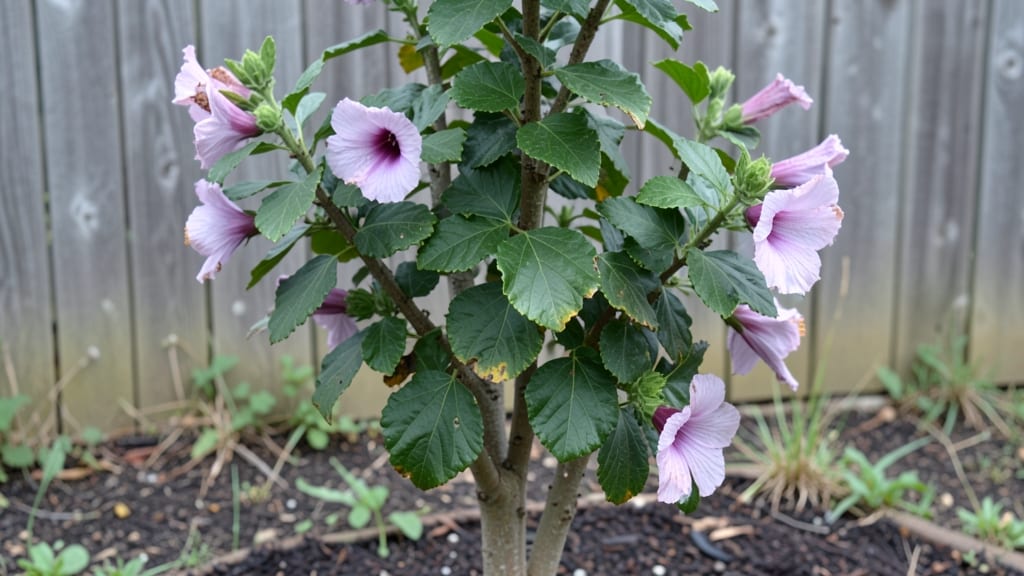
Growing a flowering shrub hibiscus 🌸 means transforming your yard into a tropical paradise—if you nail the care.
Imagine a garden bursting with vibrant, tropical hibiscus blooms year-round—without the constant battle against pests or seasonal fades. The flowering shrub hibiscus isn’t just a plant; it’s a statement piece that thrives with the right care, and we’ll show you exactly how to make it flourish.
From USDA Zone 6a to warmer climates, these shrubs demand full sun and well-draining soil to reward you with bold blooms. But here’s the catch: too much water or neglecting pruning can turn your hibiscus into a leafy mess instead of a flower powerhouse.
In this guide, you’ll learn the exact steps to plant, feed, and prune your hibiscus for nonstop blooms, plus how to spot and fix common problems before they ruin your garden’s star.
How to choose and plant flowering shrub hibiscus for maximum blooms
The flowering shrub hibiscus is a garden superstar, offering bold, tropical blooms that transform any landscape. But not all hibiscus varieties thrive in every climate. The first step is choosing between tropical hibiscus (Hibiscus rosa-sinensis) and hardy hibiscus (Hibiscus syriacus).
Tropical varieties love heat and need winter protection, while hardy hibiscus can survive USDA zones 5-9 without extra care. My garden features both—tropical hibiscus in containers for winter moves and hardy varieties planted in-ground for year-round color.
Once you’ve picked your variety, location matters. Hibiscus craves full sun exposure—think 6-8 hours daily—and well-draining soil with a slightly acidic pH (6.0-6.5). Heavy clay or waterlogged soil will stunt growth and reduce blooms.
I’ve learned this the hard way: my first hibiscus nearly died in compacted soil until I amended it with compost and sand. The difference in growth was night-and-day!
| Variety | Notes |
|---|---|
| Tropical Hibiscus (Hibiscus rosa-sinensis) | Needs zones 9-11 or winter protection; 3-15 ft tall; blooms year-round in warm climates. |
| Hardy Hibiscus (Hibiscus syriacus) | Thrives in zones 5-9; 8-12 ft tall; blooms late summer to fall. |
| Dwarf Varieties (e.g., 'Pinks' or 'Lime Green') | 3-5 ft tall; ideal for containers or small gardens; low-maintenance. |
| Requirement | Specification |
|---|---|
| Sunlight | 6-8 hours full sun daily; partial shade reduces blooms. |
| Soil pH | 6.0-6.5 (slightly acidic); amend with sulfur if needed. |
| Drainage | Well-draining; avoid waterlogged soil to prevent root rot. |
| Climate Zones | Tropical: zones 9-11; Hardy: zones 5-9. |
Now, let’s talk planting. The best time to plant hibiscus is spring after the last frost, when soil temperatures hit 60°F (15°C). Dig a hole twice as wide as the root ball but only as deep. This encourages root spread without burying the stem.
I always loosen the roots slightly if they’re pot-bound—it gives them room to stretch and establish faster. Pro tip: Add a handful of slow-release fertilizer to the planting hole for an instant nutrient boost.
For containers, use a fast-draining mix of potting soil, perlite, and compost (50/30/20 ratio). Containers dry out quicker, so tropical hibiscus in pots need daily water checks in hot weather. I’ve seen hibiscus wilt within hours if neglected—always keep a watering can nearby!
If planting in-ground, mound soil slightly around the base to create a water retention basin, but avoid piling soil against the stem.
After planting, mulch with 2-3 inches of organic mulch (like shredded bark) to retain moisture and regulate soil temperature. Mulch also suppresses weeds, which compete for nutrients. I use pine bark mulch because it breaks down slowly and adds acidity over time—perfect for hibiscus.
Just keep mulch 6 inches away from the stem to prevent rot.
One common mistake is overwatering. Hibiscus roots need oxygen, so soggy soil suffocates them. Water deeply every 2-3 days in summer, but let the top 2 inches of soil dry between waterings.
In winter, reduce watering to once a week or less, depending on your climate. My hardy hibiscus nearly died in a wet winter until I adjusted my watering schedule—now it’s thriving!
To encourage maximum blooms, prune strategically. In early spring, trim back 1/3 of the plant’s height to promote bushier growth. Remove any dead or crossing branches to improve airflow. After flowering, deadhead spent blooms by cutting back to the nearest leaf or bud.
This trick has doubled my hibiscus blooms—it’s like magic! Just avoid heavy pruning in late summer, as new growth won’t harden off before winter.
Finally, feed your hibiscus regularly during the growing season. Use a balanced fertilizer (10-10-10) every 4-6 weeks from spring to summer. I switch to a low-phosphorus fertilizer in fall to avoid encouraging tender new growth before winter.
Organic options like fish emulsion or compost tea work wonders too—my hibiscus loves the extra nutrients without the chemical burn.
With the right variety, location, and care, your flowering shrub hibiscus will reward you with season-long blooms and lush foliage. Start with these steps, and you’ll be the envy of the neighborhood with hibiscus that thrives year-round—no pests or wilting in sight! 🌸
Year-round care schedule: watering, fertilizing, and pruning for pest-proof growth
Your flowering shrub hibiscus thrives on consistency, and a seasonal care schedule keeps it blooming boldly while fending off pests like aphids and whiteflies. Each season demands a different approach—from deep watering in summer to light pruning in winter—to maintain its health and vigor.
Let’s break down the month-by-month tasks that will transform your hibiscus into a pest-resistant powerhouse.
Start with spring, when your hibiscus wakes from dormancy and needs a gentle push to kickstart growth. Organic fertilizers like compost tea or fish emulsion provide essential nutrients without overwhelming the plant, while mulching retains moisture and deters weeds.
Summer brings intense heat and pest pressure, so we’ll focus on deep watering and pruning techniques to encourage airflow and reduce infestations.
- Spring (March-May): Lightly fertilize with 5-10-10 NPK when new growth appears. Apply 2 inches of mulch to retain moisture and deter pests.
- Summer (June-August): Water deeply every 2-3 days and prune spent blooms to encourage new flowers. Spray neem oil weekly to prevent aphids and whiteflies.
- Fall (September-November): Reduce watering to weekly and avoid fertilizing. Prune dead or diseased branches to prepare for winter dormancy.
- Winter (December-February): Water bi-weekly and wrap young plants in burlap for frost protection. Avoid pruning until late winter.
In spring, your hibiscus will reward you with lush new leaves and buds forming if you’ve fertilized correctly. Use a balanced organic fertilizer like alfalfa meal or worm castings to avoid chemical buildup, which can attract pests.
Apply the fertilizer in the early morning to prevent leaf burn and ensure it soaks into the soil.
When summer arrives, your hibiscus will demand attention to hydration. Water deeply at the base of the plant rather than overhead to prevent fungal diseases. If you notice yellowing leaves or sticky residue on stems, it’s a sign of pests.
A homemade spray of soapy water (1 tsp mild soap per quart of water) can tackle early infestations before they spread.
As temperatures drop in fall, your hibiscus will slow its growth, making it the perfect time for light pruning. Remove any dead or yellowing leaves and trim back overgrown branches to improve airflow.
This reduces the risk of fungal infections and prepares the plant for winter dormancy. Apply a thick layer of mulch around the base to insulate the roots.
Winter care is all about protection. If you’re in a colder climate (USDA zones 7 and below), wrap young hibiscus plants in burlap or use a frost cloth to shield them from freezing temperatures.
Reduce watering to every two weeks and avoid fertilizing entirely—your hibiscus is resting, not growing. This is also the best time to plan your spring pruning and fertilizer schedule.