
Blooming
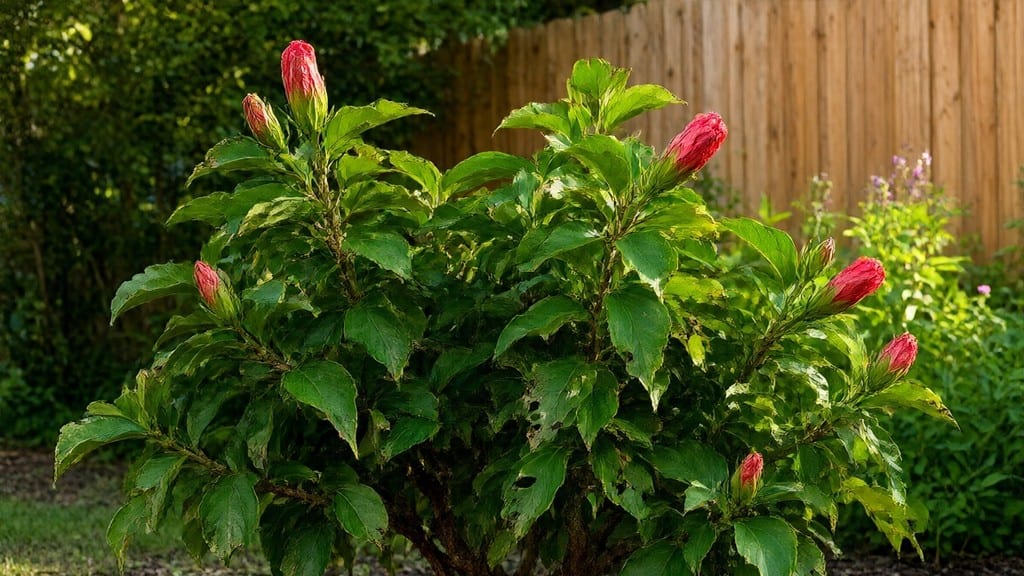
My hibiscus stopped flowering this summer, and I’ll admit—it was heartbreaking. 🌸 That first wilted bloom is a wake-up call, but the good news is most cases come down to three simple fixes: light, food, and timing.
I’ve revived my own plants using these same tricks, and I’ll walk you through exactly what worked.
The culprit is usually one of three things: not enough sunlight, a lack of phosphorus-rich fertilizer, or pruning at the wrong time. Hibiscus need at least 6 hours of direct sun daily, and if your plant’s been in shade, it’ll struggle to bloom.
Then there’s the fertilizer—too much nitrogen makes leaves grow like crazy but skips the flowers. Finally, pruning after the blooming season can shock the plant into dormancy.
After adjusting my hibiscus’s care, I saw new buds within 3 weeks. The key is consistency: move it to brighter light, switch to a bloom-boosting fertilizer, and prune only after flowers fade. You’ll be snipping fresh blooms again before you know it.
Works for both tropical and hardy hibiscus varieties, and the fixes apply whether you’re growing in pots or the ground. Let’s get those flowers back—and keep them coming all season.
Why it happens
When your hibiscus plant suddenly stops producing its stunning, vibrant flowers, it’s often a sign that something fundamental has shifted in its care routine. Understanding the why behind the problem is the first step to bringing back those show-stopping blooms.
Below, we break down the most common culprits—each with a scientific twist—and how they disrupt your hibiscus’s flowering cycle.
🌡️ Temperature and Light Imbalances
Hibiscus plants (Hibiscus rosa-sinensis) are tropical divas—they thrive in warmth and need 6–8 hours of direct sunlight daily to trigger flowering.
When temperatures dip below 60°F (15°C) or rise above 90°F (32°C), or if light exposure drops (like during winter or in shaded spots), the plant conserves energy by prioritizing leaf growth over flowers. Phytochrome pigments in the leaves detect light levels, and insufficient light disrupts the production of florigen, a hormone essential for bloom initiation.
- Actionable fix: Move your hibiscus to a south- or west-facing window or supplement with a grow light (12–14 hours/day). In cooler climates, bring potted hibiscus indoors before frost.
- Pro tip: 🌡️ If your hibiscus is in a greenhouse or conservatory, monitor humidity—low humidity (<40%) can stress the plant, further stalling blooms.
💧 Watering and Nutrient Stress
Flowering is an energy-intensive process, and hibiscus plants need consistent moisture and the right nutrients to fuel it. Overwatering or underwatering throws off the plant’s osmotic balance, while nutrient deficiencies (especially phosphorus and potassium) starve the blooms.
For example, a lack of phosphorus (P in NPK ratios) delays flower bud formation, while excess nitrogen (N) promotes lush foliage at the expense of blooms.
- Signs to watch for:
- Yellowing leaves (chlorosis) = iron/manganese deficiency.
- Brown leaf edges = underwatering or fluoride buildup from tap water.
- Stunted growth = nitrogen excess or root stress.
- Actionable fix: Water deeply when the top 1–2 inches of soil feel dry, and use a balanced fertilizer (10-10-10 or 20-20-20) every 4–6 weeks during growing season. For a phosphorus boost, switch to a 5-10-10 formula.
- Pro tip: 💡 Flush the soil every 3 months with water to prevent salt buildup from fertilizers, which can block nutrient uptake.
✂️ Pruning and Hormonal Shifts
Hibiscus plants flower on new wood, meaning they rely on fresh growth to produce buds. Over-pruning or cutting back too late in the season can remove potential flowering sites.
Additionally, ethylene gas (released during stress, like pruning wounds) can trigger premature bud drop if the plant isn’t healthy enough to support blooms. Even worse? Root-bound stress from not repotting every 2–3 years crowds out the roots, reducing the plant’s ability to absorb water and nutrients efficiently.
- When to prune for blooms:
- 🔪 Late winter/early spring: Trim back leggy stems by 1/3 to encourage bushier growth.
- ⏰ Avoid pruning after mid-summer: New growth won’t have time to harden off before winter.
- Actionable fix: If your hibiscus is root-bound, repot it into a container 2–4 inches larger with fresh, well-draining soil. For potted plants, gently loosen roots and trim any circling roots.
- Pro tip: ✨ After pruning, apply a rooting hormone to cuts to minimize stress and encourage faster regrowth.
🐛 Pests and Diseases Disrupting Growth
Hidden pests like aphids, spider mites, or hibiscus mealybugs sap the plant’s energy, redirecting resources away from flower production. Even fungal diseases (e.g., Fusarium wilt or anthracnose) can clog the plant’s vascular system, preventing nutrients from reaching bud sites.
For instance, aphids inject toxins that trigger abscisic acid production, a hormone that signals the plant to drop buds prematurely.
- Common pests to spot:
- Sticky residue on leaves = aphids.
- Fine webbing = spider mites.
- Cottony white patches = mealybugs.
- Actionable fix:
- 🚿 Blast pests off with a strong stream of water, then apply neem oil or insecticidal soap weekly.
- 🌿 Prevent fungal issues by spacing plants for airflow and avoiding overhead watering.
- Pro tip: 🔍 Inspect the undersides of leaves and leaf axils (where leaves meet stems) first—these are pest hotspots!
Revive Your Hibiscus Blooms Today
Now that you understand why your hibiscus plant might have stopped flowering, let’s turn things around! 🌸 The good news? Most issues are fixable with simple adjustments. Below are targeted solutions for the most common causes, along with easy prevention tips to keep your hibiscus thriving.
🌱 Fix 1: Too Little or Too Much Light
Problem: Hibiscus needs 6–8 hours of direct sunlight daily to bloom. Too little light weakens growth, while too much can scorch leaves and stress the plant.
How to Fix It: 🔥 Adjust Light Exposure
- If indoors, move your hibiscus to a south- or west-facing window (or use a grow light for 12–16 hours/day).
- If outdoors, provide partial shade during peak afternoon sun (especially in hot climates).
🌡️ Prevention Tips
- Monitor leaf color: Yellowing or pale leaves = too little light; brown crispy edges = too much.
- Rotate the pot occasionally for even light distribution.
💧 Fix 2: Watering Woes (Over or Under)
Problem: Hibiscus roots need consistent moisture—not soggy soil, not dry. Stress from watering mistakes halts blooms.
How to Fix It: 🍳 Check Soil Moisture
- Stick your finger 1–2 inches deep into the soil. If dry, water deeply until it drains from the bottom.
- If the soil feels muddy or smells sour, reduce watering and improve drainage.
👨🍳 Adjust Your Watering Routine
- Water at the base (avoid wetting leaves to prevent fungal issues).
- Use well-draining soil (mix potting soil with perlite or sand).
- Morning watering is best—it prevents fungal growth from evening dampness.
💡 Pro Tip: Yellowing lower leaves? You’re likely overwatering. Brown, crispy leaves? Underwatering.
🌿 Fix 3: Nutrient Deficiency (Especially Phosphorus & Potassium)
Problem: Hibiscus needs balanced fertilization—especially phosphorus (P) for blooms and potassium (K) for root health. Lack of nutrients = no flowers!
How to Fix It: 🥘 Fertilize Correctly
- Use a balanced liquid fertilizer (10-10-10 or 20-20-20) during spring and summer (every 2–4 weeks).
- Switch to a high-phosphorus formula (5-10-5 or 10-20-10) when buds form to encourage blooming.
- Avoid fertilizing in winter—hibiscus rests then!
🎯 Natural Boosts
- Banana peel tea (rich in potassium): Soak peels in water for a week, then use as fertilizer.
- Epsom salt spray (magnesium boost): Mix 1 tbsp per gallon of water and spray leaves monthly.
✨ Prevention Tips
- Flush soil every 2–3 months to prevent salt buildup from fertilizers.
- Yellow leaves with green veins? Likely nitrogen overload—cut back on fertilizer.
⚠️ Bonus: Rule Out Pests & Disease
If your hibiscus still refuses to bloom after adjusting light, water, and nutrients, check for:
- Aphids, spider mites, or whiteflies (suck nutrients, stress the plant).
- Fungal issues (like powdery mildew) from overwatering or poor air circulation.
Quick Fix:
- Spray with neem oil (natural pest/disease repellent).
- Prune affected leaves and improve airflow around the plant.
📅 Long-Term Care Schedule for Blooming Hibiscus
| Season | Task | Frequency |
|---|---|---|
| Spring | Fertilize (balanced), prune dead growth | Every 2–4 weeks |
| Summer | Deep watering, light pruning, watch for pests | Weekly checks |
| Fall | Reduce fertilizer, prepare for dormancy | Monthly |
| Winter | Minimal watering, no fertilizer | As needed |
Final Thought: Hibiscus are dramatic but rewarding—they thrive when given light, love, and the right nutrients. Start with one fix (like adjusting water or light), then monitor for 2–3 weeks before adding more changes. With patience, your hibiscus will be bursting with blooms in no time! 🌺✨
Frequently asked questions
Why did my hibiscus suddenly stop blooming?
Your hibiscus likely stopped flowering due to one of three key factors: insufficient 6–8 hours of direct sunlight, a lack of phosphorus-rich fertilizer, or improper pruning timing. These tropical plants prioritize leaf growth over blooms when stressed by light deprivation, nutrient deficiencies, or hormonal disruptions from pruning wounds. Check your plant’s light exposure and feeding schedule first!
How can I encourage new blooms after a long dry spell?
Start by gradually reintroducing consistent moisture—water deeply when the top 1–2 inches of soil feel dry, but avoid soggy roots. Then, switch to a high-phosphorus fertilizer (5-10-5 ratio) every 4–6 weeks during growing season. Hibiscus respond within 3–4 weeks to these adjustments, especially if you also move it to brighter light.
Is it safe to prune my hibiscus if it hasn’t bloomed in months?
Yes, but time it right! Prune in late winter or early spring to encourage new growth that will produce flowers. Avoid cutting back after mid-summer, as new growth won’t harden off before cooler weather. Always use clean, sharp shears and trim leggy stems by 1/3 to promote bushier, bloom-producing growth.
Could pests be silently stealing my hibiscus’s energy?
Tiny pests like aphids or spider mites feed on sap, redirecting your plant’s resources away from blooms. Inspect the undersides of leaves and leaf axils for sticky residue or webbing. If found, blast them off with water and apply neem oil weekly. Healthy leaves mean more energy for flowers—pest-free plants bloom like crazy!