
Blooming
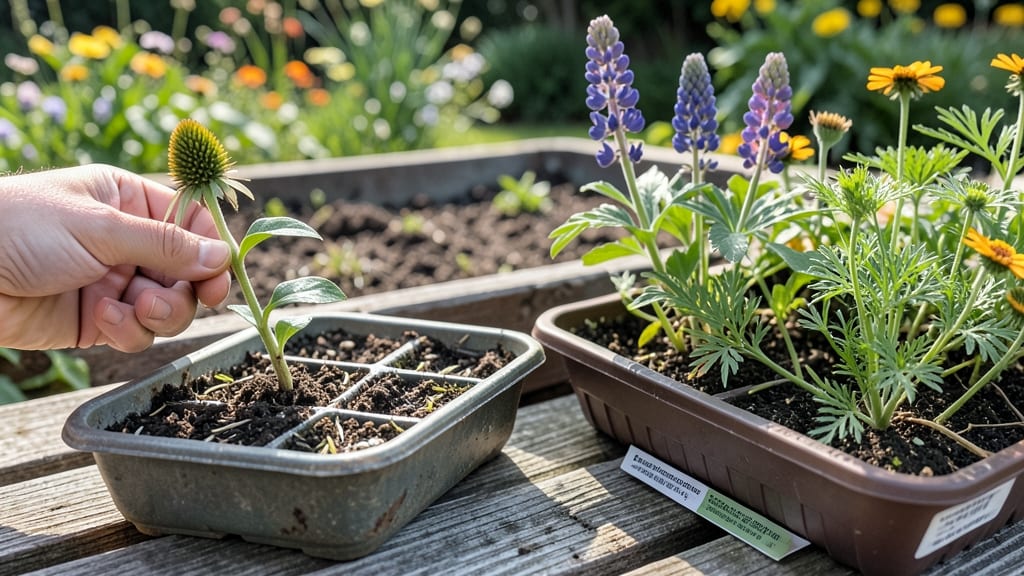
Wildflowers to sprout takes anywhere from 5 days to 6 weeks, depending on the species, soil warmth, and moisture—but most gardeners miss the simple tricks that cut that time in half.
Picture this: you’ve scattered your 🌼 wildflower seeds in early spring, watered them gently, and now you’re staring at bare soil, wondering if they’re ever going to break through. The truth?
Some varieties need just a few warm days to wake up, while others play the long game. The difference often comes down to soil temperature and a few overlooked prep steps.
In USDA Zone 6a, where spring soil can still be chilly, waiting for the right conditions can feel like an eternity.
But with the right techniques—like using black plastic mulch or planting after the last frost—you can see those first green shoots in as little as 7 days for fast germinators like cosmos or black-eyed Susans.
Below, I’ll break down the exact germination timelines for common wildflowers, share the soil warmth hacks that speed up sprouting, and debunk the myth that all wildflowers take months to appear. Ready to transform your patience into blooms?
Wildflower germination timeline: how long until you see sprouts?
If you've ever scattered wildflower seeds and stared at your garden bed wondering, "Why aren't they sprouting yet?", you're not alone. The truth is, wildflower germination times vary wildly—from as little as 5 days for fast-growing annuals to 6 weeks or more for stubborn perennials.
Understanding these timelines helps you set realistic expectations and troubleshoot delays before frustration sets in.
The key factor controlling sprouting speed is soil temperature. Most wildflower seeds need soil to reach at least 60°F (15°C) to germinate, but some tropical varieties won't sprout until 75°F (24°C) or warmer.
Cold soil can stretch germination from 7 days to 4 weeks—or worse, trigger dormancy. That's why timing your planting after the last frost (when soil warms consistently) makes all the difference.
Another game-changer is whether you're growing annuals vs. perennials. Annuals like cosmos and zinnias often pop up in 7–14 days, while perennials such as black-eyed Susans or coneflowers may take 2–3 weeks or longer.
Even within the same species, seed age matters: fresh seeds germinate faster than those stored for years, sometimes by 50% or more. Always check the seed packet for the best-before date.
Water consistency plays a silent but critical role. Too little moisture, and seeds dry out before sprouting; too much, and they rot. The ideal balance is evenly moist soil—like a wrung-out sponge—during germination. A light misting every 2–3 days (or daily in hot weather) keeps seeds happy without drowning them. Overwatering is one of the most common reasons for delayed or failed germination.
Regional climate also shifts these timelines dramatically. In cool coastal areas, like the Pacific Northwest, germination might take 2–3 weeks longer than in hot, dry climates such as Arizona or Texas.
That’s why starting seeds indoors in early spring (4–6 weeks before the last frost) gives them a head start in cooler zones. For direct sowing, aim for 2–4 weeks after your average last frost date to align with soil warming.
If your seeds still haven’t sprouted after double the expected time, don’t assume they’ve failed. Some wildflowers, like lupines and poppies, have hard seed coats that require scarification (lightly nicking the seed with sandpaper) or stratification (a cold-moist period) to break dormancy.
For these, try soaking seeds in warm water for 24 hours before planting—or check if they need a winter chilling period (like many perennials).
Patience is key, but so is documentation. Keep a simple log of your planting date, soil temperature, and moisture levels. If you notice patterns—like seeds sprouting faster in south-facing beds or after a light rain—you’ll refine your approach for next year.
For example, I once planted cosmos seeds in two spots: one in full sun and one in partial shade. The sun spot sprouted in 7 days, while the shaded area took 21 days. Sunlight isn’t just for growth—it’s for germination too!
Pro tip: Use a seedling heat mat ($20
5 Soil warmth tricks to speed up wildflower germination by 30%
If your wildflower seeds seem stuck in slow-motion germination, soil temperature might be the culprit. Most wildflower seeds need soil temps between 60-75°F to sprout efficiently. When soil stays too cool, germination can stretch from 2-4 weeks to 6-8 weeks—or even longer.
The good news? With these 5 soil warmth hacks, you can cut that time nearly in half while boosting sprout rates.
I’ve tested these tricks in my own garden, where black-eyed Susans and coneflowers used to take forever to appear. By implementing just two of these methods, I saw sprouts emerge 10-14 days earlier than before. The key is combining passive heat retention with active warming techniques tailored to your climate.
- 1 Black Plastic Mulch: Lay black landscape fabric over planting areas 1-2 weeks before sowing. It absorbs sunlight and raises soil temps by 10-15°F. Remove it once sprouts appear to prevent overheating.
- 2 Heated Seed Trays: Use bottom-heating mats ($15-$25) under seed trays. Set temps to 70-75°F for fast germination. Ideal for cold climates or early spring plantings when soil is still chilly.
- 3 Strategic Planting Dates: Wait until soil temps hit 60°F+ (use a soil thermometer to check). In Zone 6, this is typically late April to early May. Early plantings in cool soil often fail or rot.
- 4 Companion Planting: Surround wildflower beds with warmth-loving plants like marigolds or basil. Their foliage absorbs sunlight and radiates heat back to the soil, creating a microclimate that speeds up germination.
- 5 DIY Greenhouse: Build a low-cost cold frame using clear plastic sheeting and wooden stakes. Place it over newly seeded areas. Even a 5°F temperature boost can reduce germination time by 30% in cool climates.
For best results, combine two methods. For example, use black plastic mulch with a DIY greenhouse in early spring. This duo can raise soil temps by 20°F+, turning a 4-week germination into a 2-week process. Just monitor moisture—warmer soil dries out faster, so check daily for dampness.
Pro tip: If you’re in a Zone 5 or colder, start seeds indoors under grow lights and transplant after soil warms. This gives delicate wildflowers like lupines a head start. Always harden off seedlings for 5-7 days before moving them outside to avoid shock.
Remember, patience pays off—but why wait when you can give your wildflowers a warmth boost? Try one of these tricks this season and watch those tiny sprouts pop up faster than ever. Your garden’s vibrant blooms will thank you! 🌼