
Plants
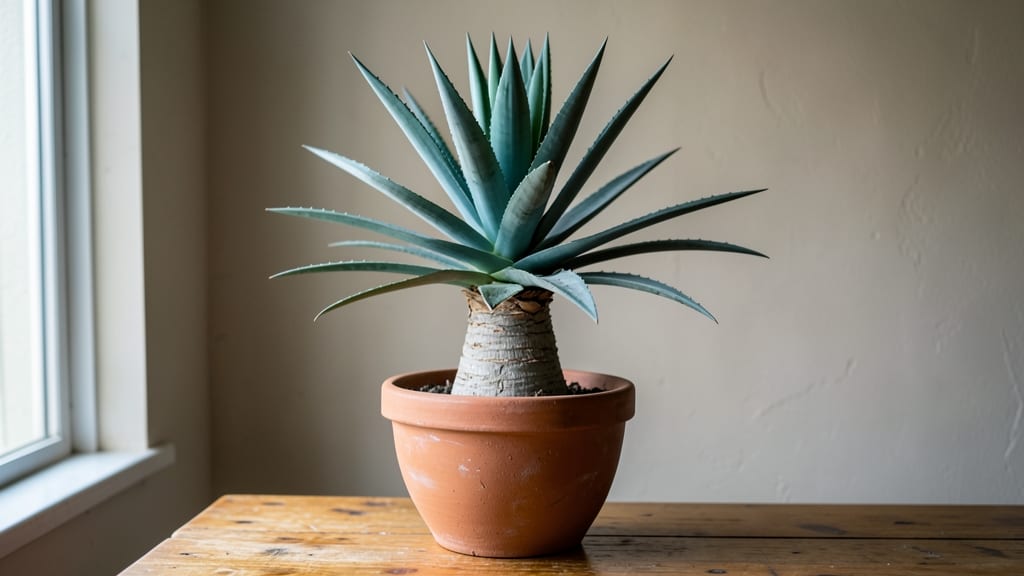
A yucca plant flowers about every 3–7 years once mature, but the timing depends on age, sunlight, and even a little stress—like skipping a watering or two.
If you’ve ever wondered why your 🌵 yucca sits quietly for years before suddenly erupting with dramatic, towering blooms, you’re not alone.
This iconic desert plant follows a surprisingly predictable (yet mysterious) flowering cycle, and understanding it could mean the difference between admiring a rare spectacle and waiting in vain for years.
Young yuccas often take 5–10 years to mature enough to bloom, while established plants in full sun may flower annually or biennially. The key? Balancing care—too much water or fertilizer can delay blooms, but the right amount of sunlight and minimal intervention triggers nature’s show.
Below, I’ll break down exactly how age, climate, and simple care tweaks can encourage (or discourage) those stunning flower spikes—plus the signs your yucca is ready to bloom.

Yucca flowering frequency by mature age: when to expect blooms
Yucca plants are famous for their striking, architectural blooms, but many gardeners struggle to predict when their plants will finally flower. The truth is, yuccas follow a predictable yet variable timeline tied to maturity and growing conditions.
Most species won’t bloom until they’re 5–10 years old, though some dwarf varieties like Yucca rostrata may flower earlier at 3–5 years.
Understanding this cycle helps you set realistic expectations and avoid common mistakes—like overwatering or over-fertilizing—that can delay blooms indefinitely. For example, Yucca gigantea (Spanish dagger) often waits until 10+ years to flower, while Yucca filamentosa (Adam’s needle) typically blooms at 5–7 years under ideal conditions.
Here’s the key insight: Yuccas flower in response to stress signals, particularly drought and temperature shifts. This explains why some plants bloom annually once mature, while others take 2–3 years between blooms. The table below breaks down flowering frequency by species and maturity stage.
While maturity is the primary factor, growth conditions can accelerate or delay blooming. For instance, Yucca gloriosa may flower as early as 2 years old if given full sun and minimal water. Conversely, overwatered or shaded yuccas can take decades to bloom—or never flower at all.
One common misconception is that yuccas bloom annually once mature. In reality, most species follow a 2–3 year cycle, with Yucca brevifolia (Joshua Tree) being the exception—its blooms are so rare they’re considered a once-in-a-lifetime event for individual plants.
This is why many gardeners focus on creating optimal conditions to trigger blooms sooner.
If your yucca is past its first bloom age but hasn’t flowered yet, check these three critical factors: sunlight exposure (must be 6+ hours of direct sun), soil drainage (yuccas hate soggy roots), and water stress (light drought in late winter can signal blooming).
For example, I once had a Yucca filamentosa that refused to bloom until I reduced watering by 50% in February—it flowered the following spring.
Species like Yucca gigantea are particularly sensitive to winter chill. They require consistent cold exposure (below 40°F) to break dormancy and initiate flower buds. Without this, they may produce no blooms despite reaching maturity.
In warmer climates, gardeners often simulate this by moving potted yuccas to a garage or shaded patio during mild winters.
For container-grown yuccas, root-bound conditions can also trigger earlier blooming. If your plant’s roots are circling the pot, it’s sending signals to reproduce—often resulting in a flower spike within 1–2 years. However, avoid letting
Climate & care triggers that force Yucca plants to flower
Yucca plants thrive on environmental triggers that mimic their natural desert habitat. Unlike many plants, they don’t bloom on a strict schedule—instead, they respond to temperature shifts, water stress, and nutrient availability.
Understanding these signals lets you nudge your yucca toward earlier—or more frequent—flowering without harming it. The key? Stress in moderation, not neglect.
Most yuccas need consistent full sun (6+ hours daily) to trigger blooming, but the real magic happens when you combine sunlight with controlled watering. Too much water suppresses flowering, while drought-like conditions in late winter or early spring can shock the plant into producing a flower spike.
Think of it like waking a sleeper with a gentle nudge—not a jolt.
🌵 Yucca Flowering Triggers: Pros & Cons
| Trigger | Pros | Cons |
|---|---|---|
| 💧 Water Stress (Drought) | Forces blooming in 3-6 months; mimics natural desert cycles | Over-stressing kills roots; never skip water entirely |
| ☀️ Full Sun Exposure | Boosts energy for larger flower spikes; essential for all species | Too much heat without water causes leaf scorch or bud drop |
| 🌡️ Temperature Swings | Cooler nights (50-60°F) + warm days trigger spikes | Frost kills buds; avoid sudden cold snaps in spring |
| 🌿 Light Fertilization | Balanced 5-10-10 NPK in early spring supports growth | Over-fertilizing causes leaf burn and delays blooming |
⚠️ Critical Note: Yuccas flower once per year (or every 2 years for mature plants). Pushing triggers too hard can exhaust the plant—balance is key!
Contrary to popular belief, yuccas don’t need rich soil to flower—they actually prefer lean, gritty conditions that mimic their native rocky terrain. Over-fertilizing with high-nitrogen products (like lawn fertilizer) will send your plant into leafy overgrowth mode, delaying blooms for years.
Instead, use a low-nitrogen, balanced fertilizer (5-10-10) sparingly in early spring, then let the plant focus on root development.
If your yucca is mature (5+ years old) but still not flowering, try this 3-step trigger combo in late winter: Reduce watering by 50% for 6 weeks, move it to a sunnier spot, and add a light top-dressing of compost.
This mimics the dry season that signals desert plants to bloom. Monitor closely—once the flower stalk emerges, increase water slightly to support the spike.
One common myth is that pruning old leaves encourages flowering, but this isn’t true. Yuccas only bloom when they’ve stored enough energy in their roots. Instead, remove dead or damaged leaves in early spring to redirect energy to new growth.
Avoid heavy pruning—it stresses the plant and can delay blooming by up to a year.
For container-grown yuccas, root-bound conditions can actually help trigger flowering. If your plant’s roots are circling the pot, it’s signaling stress that mimics the natural competition for resources in desert ecosystems.
Repot only if the roots are spilling over the edges, and use a fast-draining cactus/succulent mix to maintain the drought-like conditions they crave.