
How To
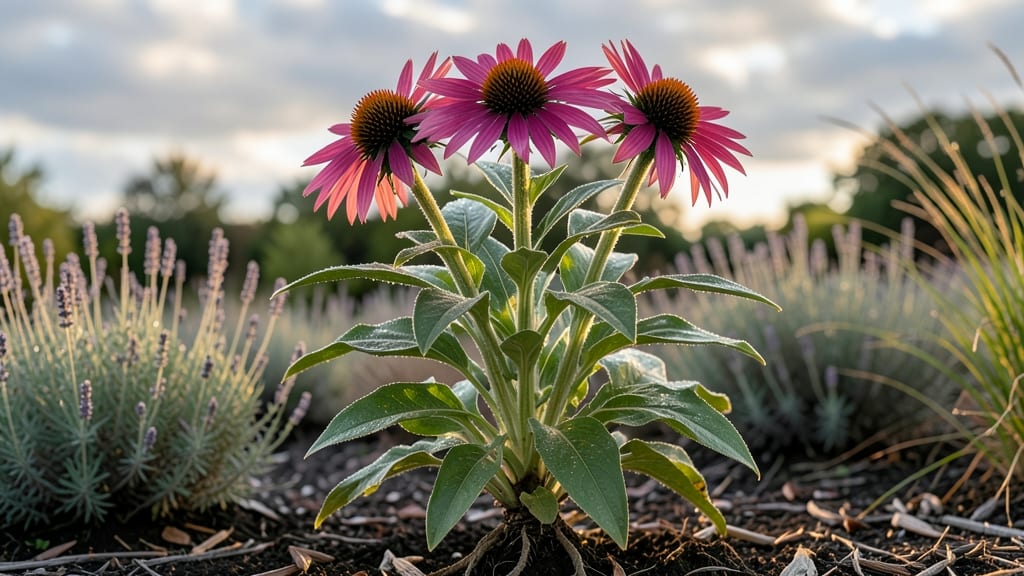
How tall does coneflower grow? The answer varies dramatically from 1 foot to a towering 5 feet, depending on the variety you choose—and that flexibility is why gardeners adore them.
Picture this: a dwarf coneflower adding a pop of color to a small border, while a tall variety stands proudly as a backyard centerpiece. The difference isn’t just about aesthetics—it’s about how you plan your garden layout, how much space you have, and even how you maintain them.
If you’re wondering whether Echinacea purpurea will sprawl or stay compact, or how to control their height with simple pruning, you’ll find all the answers here. We’ll break down the most popular varieties, share expert tips for managing growth, and help you pick the perfect coneflower for your space.
Ready to transform your garden with these hardy, long-blooming beauties? Let’s dive into the heights, varieties, and secrets to keeping them thriving—no matter how tall (or short) you want them to be.


Coneflower height by variety: a complete growth chart
When planning your garden, knowing the mature height of your coneflowers helps you create a balanced design. Some varieties stay compact at just 12 inches tall, while others reach towering heights of 5 feet.
The key lies in selecting the right variety for your space—whether you're working with a small container garden or a sprawling landscape. Let’s explore the height ranges of popular Echinacea varieties so you can make an informed choice.
Coneflowers are divided into three main height categories: dwarf (under 2 feet), medium (2-3 feet), and tall (3+ feet). Each category offers unique benefits, from low-maintenance borders to dramatic focal points.
For example, Echinacea paradoxa stays under 2 feet, making it perfect for front-of-the-border planting, while Echinacea purpurea 'Magnus' can soar to 5 feet, ideal for cutting gardens or backyard focal points. Understanding these differences ensures your garden thrives without overcrowding.
| Variety | Mature Height | Best For | Notes |
|---|---|---|---|
| Echinacea paradoxa | 12–18 inches | Front borders, containers | Dwarf, early bloomer |
| Echinacea purpurea 'White Swan' | 24–30 inches | Cutting gardens, mixed borders | Medium height, white blooms |
| Echinacea pallida 'Narrow Leaf' | 20–28 inches | Prairie-style gardens | Semi-dwarf, drought-tolerant |
| Echinacea purpurea 'Magnus' | 48–60 inches | Backyard focal points | Tallest variety, bold blooms |
| Echinacea atrorubens | 36–48 inches | Wildflower meadows | Dark red blooms, sturdy stems |
| Echinacea 'Hot Papaya' | 24–30 inches | Colorful borders | Orange-pink blooms, medium height |
If you’re designing a small garden, focus on dwarf varieties like Echinacea paradoxa or 'White Swan'. These stay under 3 feet, making them ideal for containers or front-of-the-border plantings. For larger spaces, taller varieties like 'Magnus' or Echinacea atrorubens create dramatic vertical interest.
Remember, the height of your coneflowers can also be influenced by growing conditions—rich soil and full sun encourage taller growth, while nutrient-poor soil keeps them shorter.
Another factor to consider is the spread of each variety. Even dwarf coneflowers can spread 12–18 inches wide, so plan accordingly. For example, Echinacea pallida varieties have narrow leaves and a more compact spread, making them great for tight spaces.
Meanwhile, Echinacea purpurea can spread up to 2 feet, so give it room to thrive. Always check the specific variety’s spread before planting to avoid overcrowding.
For gardeners in USDA Zone 5 or colder, height can also impact winter survival. Taller varieties may need staking or support to prevent flopping under snow or rain. Dwarf varieties, however, often handle winter conditions better due to their lower center of gravity.
If you’re in a windy area, consider planting taller coneflowers near a windbreak or fence to protect their stems. This simple step can mean the difference between a sturdy plant and a flopped mess.
One of my favorite tricks for managing height is deadheading spent blooms. This encourages the plant to focus energy on producing more flowers rather than growing taller. For taller varieties like 'Magnus', I also recommend staking in early summer to prevent flopping.
Use bamboo stakes or a small cage for support—this keeps your coneflowers upright without sacrificing their natural beauty. Pruning back leggy stems in early spring also promotes bushier, more compact growth.
When selecting coneflowers for your garden, think about the visual impact you want to create. A mix of heights—like pairing Echinacea paradoxa (12 inches) with 'Magnus' (5 feet)—adds depth and texture. For a wildflower meadow look, plant taller varieties in the back and shorter ones in the front.
This layering technique ensures every plant gets the sunlight it needs while creating a stunning, natural progression. Don’t forget to leave space for butterflies and bees, as coneflowers attract pollinators year-round.
If you’re unsure which variety to choose, start with a medium-height option like 'White Swan' or 'Hot Papaya'. These are versatile, easy to grow, and fit well in most garden designs.
For a bold statement, go for 'Magnus'—its towering height and vibrant blooms make it a showstopper. And if you love
How to control coneflower height: pruning and growth tips
Coneflowers (Echinacea) thrive on minimal intervention, but strategic pruning and care can help you manage their height—whether you want them to stay compact or reach their full dramatic potential.
The key lies in understanding their natural growth patterns and how simple adjustments can influence stem length without sacrificing those iconic blooms.
Most coneflowers grow between 2 to 5 feet tall, depending on the variety, but their height can be nudged lower or encouraged upward with the right techniques.
For example, dwarf varieties like 'White Swan' max out at just 18 inches, while tall types like 'Magnus' can soar to 5 feet. The secret? Prune at the right time and feed them appropriately.
Step 1: Prune for Compactness
Cut back 1/3 of the plant's height in early spring before new growth emerges. Use clean, sharp pruners to avoid damaging stems.
Step 2: Deadhead Regularly
Remove spent blooms by snipping the stem just above the lowest set of leaves. This redirects energy to new growth, preventing leggy stems.
Step 3: Fertilize Lightly
Use a balanced 5-10-10 fertilizer in early spring and mid-summer. Over-fertilizing promotes excessive foliage but reduces flowering.
Step 4: Mulch for Control
Apply 2-3 inches of mulch around the base to suppress weeds and regulate soil temperature, which naturally curbs rapid vertical growth.
Step 5: Thin Crowded Plants
If stems are too close, remove 1-2 oldest stems to improve airflow and encourage stronger, shorter growth.
For taller varieties, resist the urge to prune heavily—this can reduce blooms. Instead, focus on supporting their structure with stakes if needed, especially in windy areas. A light hand with pruners and consistent deadheading will keep your coneflowers lush without sacrificing height.
Soil quality also plays a role. Amend heavy clay with compost to improve drainage, which prevents leggy growth. Coneflowers are drought-tolerant once established, but consistent moisture during their first year encourages sturdy stems. Avoid overwatering, though—it leads to weak, floppy plants that stretch upward.
With these techniques, you can shape your coneflowers to fit your garden’s vision—whether that’s a neat border or a dramatic backdrop. The best part? They’ll still reward you with those cheerful blooms all season long. 🌼