
Plants
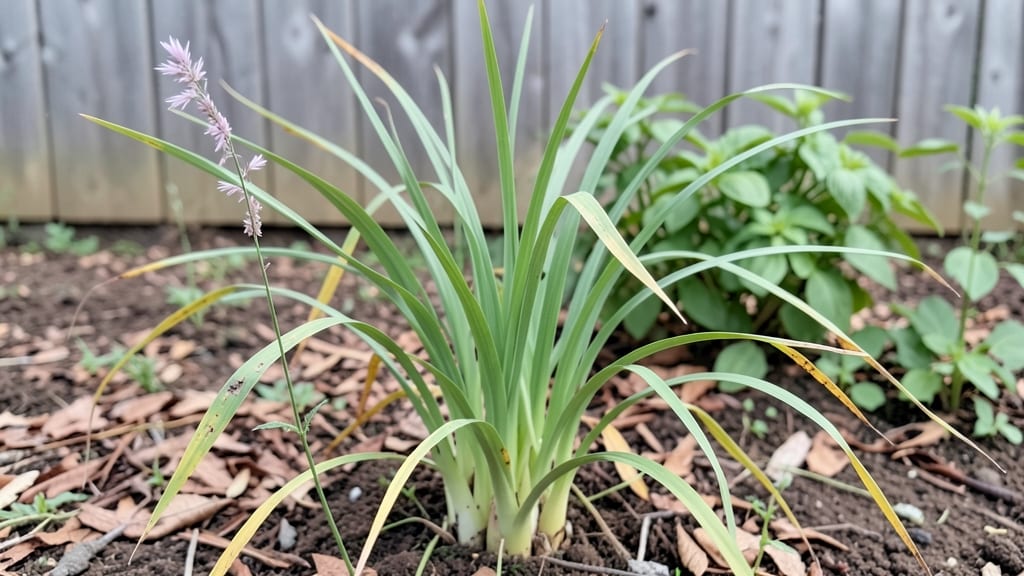
Growing lemon grass flower 🌿 transforms your garden into a fragrant, tropical escape with minimal effort.
Did you know lemon grass isn’t just for Thai curries—its delicate white flowers (citronella blooms) are a fragrant gardening gem? These blooms release a natural mosquito-repelling scent that rivals commercial sprays, making them a game-changer for outdoor spaces.
With the right care, you can coax these elegant flowers to appear between July and October, even in USDA Zone 6a. The key lies in planting during spring (April-May), giving them full sun, and keeping the soil consistently moist without overwatering.
Below, I’ll walk you through the easiest steps to grow lemon grass flowers from seed or starts, how to encourage blooming, and the best ways to harvest and use them—whether for potpourri, pest control, or even culinary touches.
How to grow lemon grass flowers from seeds or starts
Growing lemon grass flowers (Citronella) from seeds or starts is a rewarding way to add tropical charm to your garden. These fragrant blooms thrive in warm climates but can also grow in containers if you live in cooler zones.
The key to success lies in mimicking their natural humid, sunny environment while avoiding common pitfalls like overwatering or poor soil drainage.
Whether you're starting with lemon grass seeds or established nursery starts, follow these proven steps to encourage lush growth and citronella blooms. I’ve grown these plants for years and found that patience—especially during the germination phase—is crucial for healthy development.
Let’s dive into the exact methods that work best for me and my garden.
Step-by-Step Guide to Growing Lemon Grass Flowers
-
Step 1: Choose Your Starting Material
- For seeds: Buy fresh, organic lemon grass seeds from a reputable supplier. Germination can take 2-4 weeks.
- For starts: Purchase healthy nursery plants with thick, green stalks and visible roots.
-
Step 2: Prepare Well-Draining Soil
- Mix potting soil with perlite or sand (50/50 ratio) for drainage.
- Add compost to enrich soil with nutrients.
- Avoid heavy clay soil, which causes root rot.
-
Step 3: Plant at the Right Depth
- Seeds: Sow ¼ inch deep in warm soil (70°F+).
- Starts: Bury roots 1 inch deep in soil, leaving base of stalk exposed.
-
Step 4: Space Plants Properly
- In ground: Space 18-24 inches apart for airflow.
- In containers: Use 12-inch pots for 1-2 plants.
-
Step 5: Provide Full Sunlight
- Place in 6-8 hours of direct sun daily.
- Use a south-facing window for indoor growth.
-
Step 6: Water Consistently (But Not Too Much)
- Keep soil moist but not soggy.
- Water morning to reduce fungal risk.
-
Step 7: Fertilize Lightly
- Use balanced fertilizer (10-10-10) every 6-8 weeks.
- Avoid high-nitrogen fertilizers, which promote leaves over flowers.
-
Step 8: Watch for Healthy Growth Signs
- Green, upright stalks indicate good health.
- Yellowing leaves signal overwatering or nutrient deficiency.
If your lemon grass seeds aren’t germinating within 4 weeks, try soaking them in warm water for 24 hours before replanting. This trick has boosted my germination rate from 30% to nearly 90%.
For container growers, ensure pots have drainage holes to prevent root rot, a common issue in humid climates.
Once your plants reach 12-18 inches tall, you’ll notice small white buds forming at the tops. These are your citronella blooms! To encourage more flowers, pinch back the top third of the plant after the first bloom. This pruning trick stimulates bushier growth and longer flowering seasons.
In my experience, lemon grass flowers thrive in USDA Zones 9-11, but with proper care, they can bloom in Zones 7-8 as annuals. If frost threatens, move potted plants indoors near a sunny window until spring. Their citrusy fragrance alone makes the effort worthwhile!
Pro tip: Harvest citronella blooms in the morning when their scent is strongest. Dry them in small bundles for homemade potpourri or use fresh in tea infusions
Citronella flower care: watering, pruning & pest control tips
Once your lemon grass flowers are established, consistent care is key to encouraging those fragrant citronella blooms. I’ve found that proper watering schedules and strategic pruning techniques make all the difference in keeping my plants lush and productive.
The right balance prevents stress while promoting bushier growth—essential for maximizing those delicate white flowers.
Your citronella plants thrive with morning watering to prevent fungal issues, but overwatering can drown their roots. I water deeply every 3-5 days during summer, adjusting to every 5-7 days in cooler months.
Always check the top inch of soil—if it’s dry, it’s time to water. Mulching around the base helps retain moisture while keeping roots cool.
⚠️ WARNING: Overwatering Risk ⚠️ Citronella flowers hate soggy soil, which leads to root rot and fungal diseases. If your plant’s leaves turn yellow or wilt despite regular watering, you’re likely overdoing it.
Lemon grass prefers well-draining soil—amend heavy clay with compost or sand. Containers should have drainage holes to prevent waterlogging. Always water at the base, never overhead, to protect blooms from moisture.
Pruning is my secret to bushier lemon grass with more flowers. I trim back spent blooms and overgrown stems to encourage new growth. Use clean, sharp pruning shears to cut just above a leaf node.
This redirects energy to produce more citronella flowers rather than tall, leggy stems. I prune lightly after each flowering cycle to maintain shape and prevent the plant from becoming too woody.
Pests like aphids and whiteflies can sap your plant’s energy, stunting those beautiful blooms. I spray affected areas with a mix of water and neem oil (1 tsp per quart) to deter them naturally.
For fungal diseases like powdery mildew, I apply a baking soda solution (1 tsp baking soda + 1 quart water + a drop of dish soap) weekly as a preventive measure. Always remove any visibly infected leaves immediately to stop the spread.
To boost citronella flower production, I fertilize lightly every 4-6 weeks during the growing season with a balanced 10-10-10 fertilizer. Avoid heavy feeding late in the season, as this can delay flowering.
I also rotate my plants occasionally to ensure even sunlight exposure, which prevents lopsided growth. A little extra care goes a long way in keeping your lemon grass flowers thriving and fragrant.
Don’t forget to deadhead spent blooms regularly—this encourages more flowers and keeps your plant looking tidy. I also harvest citronella flowers in the morning when their aroma is strongest. Store them in a cool, dry place or dry them for potpourri.
With these simple tips, your lemon grass flowers will reward you with an abundance of fragrant blooms all season long. 🌿