
Blooming
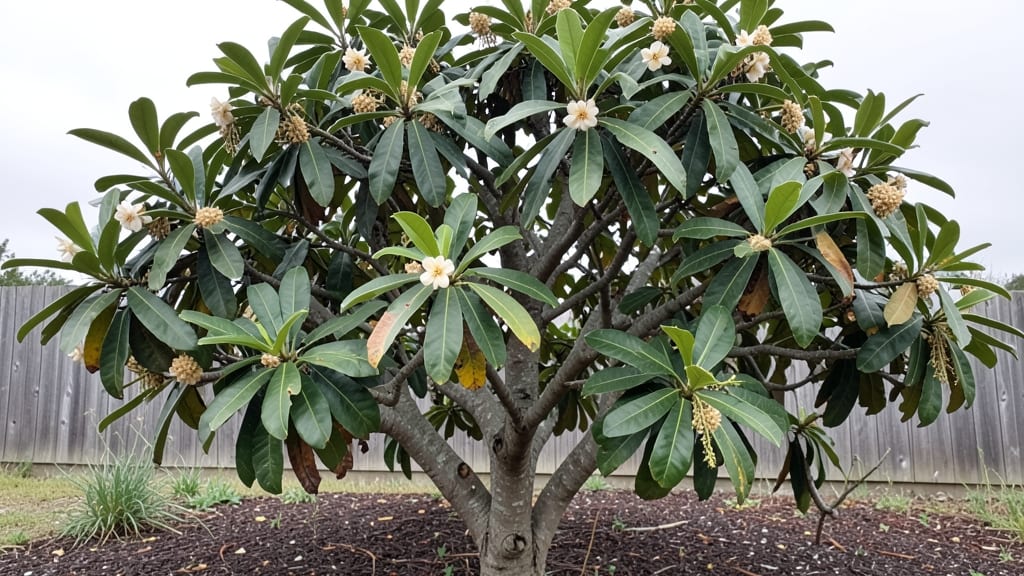
Lychee tree flowering typically occurs in late winter or early spring, producing fragrant white blossoms that precede fruit development. Heavy blooms require proper pruning, balanced fertilization, and consistent watering to thrive in subtropical climates.
Understanding the flowering cycle of lychee trees starts with recognizing their sensitivity to seasonal shifts.
These trees rely on cooler winter temperatures (around 50-60°F) to break dormancy, triggering the production of those iconic white blossoms. 🌸 In subtropical regions, inconsistent temperature swings or excessive heat can disrupt this process, leading to lighter blooms or even failed fruit sets.
I’ve seen firsthand how critical it is to monitor local climate patterns—especially in areas where winters are mild, as artificial chilling or strategic pruning may be needed to mimic natural conditions.
Once the tree begins flowering, maintaining balanced soil moisture and avoiding over-fertilization is key. Too much nitrogen can push leafy growth at the expense of flowers, while a deficiency in potassium or phosphorus weakens the tree’s ability to support heavy blooms.
I always recommend a slow-release fertilizer blend in early spring, paired with mulching to retain soil moisture without waterlogging the roots—this creates the ideal environment for those fragrant blossoms to thrive.
💡 In This Article
- Key Factors Influencing Lychee Tree Flowering Cycles
- Step-by-Step Guide to Boosting Lychee Tree Blooms
Key factors influencing lychee tree flowering cycles
The flowering cycle of lychee trees is primarily governed by a combination of photoperiodism (daylight sensitivity) and chilling requirements. These trees need approximately 100-300 hours of temperatures between 40-55°F during winter dormancy to trigger bud formation.
Without sufficient chilling, the tree may produce fewer flowers or none at all—a phenomenon I’ve observed in warmer subtropical regions where artificial chilling methods become necessary. The transition from cooler to warmer days acts like a biological switch, signaling the tree to shift from vegetative growth to reproductive mode.
Daylight hours also play a critical role, with lychee trees responding best to 12-14 hours of daylight during early spring. This photoperiodic response is similar to many tropical fruit trees, where longer daylight periods stimulate hormonal changes that promote flowering.
Interestingly, lychee trees in northern subtropical zones often bloom earlier than those in southern regions due to these daylight variations. The scent of those white blossoms—often described as a mix of jasmine and citrus—peaks during these optimal conditions, creating an intoxicating aroma that can attract pollinators over several weeks.
Environmental factors like humidity levels (60-80%) and air circulation further influence bloom abundance. High humidity prevents flower drop, while poor air circulation can lead to fungal infections that weaken blossoms.
I’ve noticed that lychee trees in coastal areas with moderate humidity tend to produce heavier blooms compared to those in inland regions with drier air. Soil pH also matters, with an ideal range of 5.5-6.5 ensuring proper nutrient uptake—especially for potassium, which is crucial for flower development.
Another critical factor is the tree’s dormancy period. Proper dormancy allows the tree to "reset" its energy reserves, which are then redirected toward flower production. Inconsistent watering or fertilization during dormancy can disrupt this process, leading to weaker blooms.
For example, a tree that receives heavy nitrogen fertilizer in late fall may delay dormancy, resulting in lighter flowering the following spring. This is why many growers implement a dormant-season pruning schedule to encourage balanced growth patterns.
Temperature fluctuations also create a stress-response mechanism that triggers flowering. When lychee trees experience brief cold snaps followed by warming trends, they interpret this as a natural signal to bloom. This is why trees in regions with unpredictable winters sometimes produce irregular flowering patterns.
To compensate, growers may use shade cloth during heatwaves or mist systems in dry periods to maintain stable environmental conditions that support consistent bloom cycles.
Finally, the tree’s age and health status impact flowering cycles. Young lychee trees (under 5 years old) often produce fewer flowers as they focus on root and branch development. Mature trees, however, can generate thousands of blossoms per season if given optimal conditions.
The key takeaway is that lychee trees are highly responsive to environmental cues—understanding these factors allows growers to fine-tune conditions for heavier, more reliable blooms each year. 🌿