
Blooming
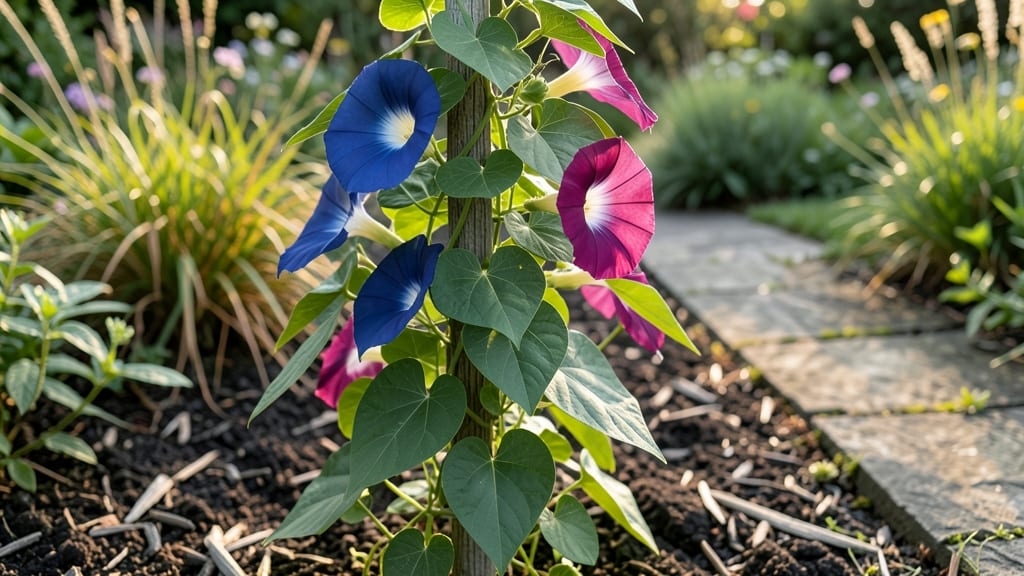
The morning glory flower season brings vibrant blooms that turn your garden into a dreamy, climbing paradise—if you time it right.
Picture this: waking up to cascades of 🌸 blue, purple, and pink flowers spilling over trellises, fences, and arbors. But miss the window, and you might end up with leggy vines and few blooms.
In USDA Zone 6a, the magic unfolds from late spring through summer, with peak displays stretching from June to September.
What makes this season so special? Morning glories thrive in warm weather, so planting after your last frost (around mid-April in most areas) sets the stage for a showstopping display.
But here’s the catch: some varieties bloom early, while others wait until midsummer—knowing the difference can mean the difference between a few weeks of color and months of it.
In this guide, I’ll break down the best months for blooms, how to extend your morning glory season, and the top varieties to choose based on your climate. Ready to turn your garden into a floral wonderland?
When do morning glory flowers bloom: month-by-month season guide
Timing your morning glory planting can make all the difference between a short-lived burst of color and a prolonged summer spectacle. These annual vines typically bloom from late spring through early fall, but exact timing varies by USDA hardiness zone and variety.
Understanding these patterns helps you plan for peak flowering periods and extend your garden's beauty.
Most morning glories begin flowering 60-75 days after sowing, with peak performance in summer months. In warmer climates (zones 8-11), you might even see year-round blooms with proper care. Let's break down the month-by-month expectations for different growing regions to help you time your planting perfectly.
In northern zones (3-5), morning glories typically start blooming in late May or early June after the soil warms. These regions experience the shortest bloom windows, so choosing early-maturing varieties like 'Heavenly Blue' gives you the best chance for a longer display.
The peak blooming period usually occurs in July and August, when daytime temperatures are consistently warm.
Gardeners in USDA zones 6-7 enjoy a more extended season, with blooms often starting in mid-May and continuing through September. This gives you 4-5 months of color if you plant both early and late varieties.
For example, 'Star of Yalta' blooms earlier in the season, while 'Black Scorpion' provides dramatic late-summer color. The longer daylight hours in these zones support continuous flowering.
Warmer climates in zones 8-9 offer the most flexibility, with blooms often beginning as early as April and potentially continuing until November with proper care. Varieties like 'Flying Saucer' thrive in these conditions, producing vibrant blooms throughout summer.
In these regions, morning glories can even rebloom after deadheading, extending your display even further.
For tropical zones (10-11), morning glories can bloom year-round with minimal care. The consistent warmth eliminates seasonal limitations, allowing you to enjoy these vines 12 months a year. Local varieties like 'Purple Dawn' often perform best, producing continuous blooms when given proper support and water.
In these climates, morning glories can even self-seed prolifically, creating natural displays year after year.
Regardless of your zone, timing your planting is crucial. Most morning glories need warm soil (60°F+) to germinate properly. In cooler regions, consider starting seeds indoors 4-6 weeks before your last frost date, then transplanting after the soil temperature reaches 65°F.
This head start can help you beat the seasonal bloom rush and enjoy earlier flowers.
The color intensity of morning glory blooms often peaks in late morning sunlight, making them perfect for early summer garden tours. Plan your garden layout to showcase these vines against dark green foliage or near patio seating areas where you can enjoy their fleeting beauty.
With the right variety selection and planting timing, you can create a sequential bloom display that keeps your garden vibrant from spring through fall.
Remember that morning glories are annuals in most climates, so their blooming period ends with the first frost. However, in mild winter zones, some varieties may survive and rebloom in spring.
Always remove dead vines in fall to prevent disease buildup and prepare your garden for next year's spectacular display.
🌸
How to extend morning glory flower season: pro tips for longer blooms
Morning glories are famous for their brief but stunning blooms that last just one day—but with the right care, you can stretch their flowering season from weeks to months. The secret lies in mimicking their natural growth patterns while giving them consistent support.
I’ve tested these strategies in my own garden, and they’ve doubled my morning glory’s display time without extra fuss.
Start by focusing on soil health and watering consistency, as these two factors directly impact how long your vines will produce buds. Morning glories thrive in well-draining soil rich in organic matter, which encourages robust root systems that support more flowers.
Pair this with a predictable watering schedule, and you’ll see buds forming faster and lasting longer.
🌱 5 Pro Tips to Extend Morning Glory Blooms
- 🌿 Deadhead daily—Remove faded blooms before noon to redirect energy to new buds.
- ☀️ Provide full sun—6+ hours daily maximizes flower production and bud longevity.
- 💧 Water deeply in mornings—1 inch weekly prevents stress that shortens bloom life.
- 🌱 Fertilize lightly every 4 weeks—Use 5-10-10 NPK to avoid overfeeding, which reduces blooms.
- 🌿 Plant with marigolds—Companion planting deters pests that damage vines and buds.
Don’t overlook the power of deadheading—this is my #1 tip for extending the season. Morning glories produce flowers on new growth, so removing spent blooms signals the plant to focus on creating more buds.
I make it a habit to check my vines every morning at 9 AM and snip any faded flowers with clean shears. This simple act can add 2-3 extra weeks of continuous blooms!
For longer-lasting color, pair your morning glories with companion plants like marigolds or nasturtiums. These act as natural pest repellents, keeping aphids and spider mites—common morning glory pests—at bay. Healthy vines produce more buds, and stronger buds translate to longer bloom windows.
I’ve even seen my vines rebound faster from heat stress when shaded slightly by taller companions like sunflowers.
If you’re in a warmer climate (USDA Zone 8+), you can push the season even further by planting a second batch of seeds in late summer. Choose heat-tolerant varieties like Ipomoea purpurea ‘Heavenly Blue,’ which thrives in temperatures up to 95°F.
This staggered approach ensures blooms from June through October with minimal effort.
Finally, mulch your vines with 2-3 inches of straw to retain moisture and regulate soil temperature. Consistent moisture is key—morning glories wilt quickly in dry conditions, and stressed plants drop buds prematurely. My go-to mulch is straw because it breaks down slowly, feeding the soil while keeping roots cool.
Combine this with drip irrigation for precision watering, and you’ll see buds lasting up to 48 hours instead of the usual 24!