
Shrubs
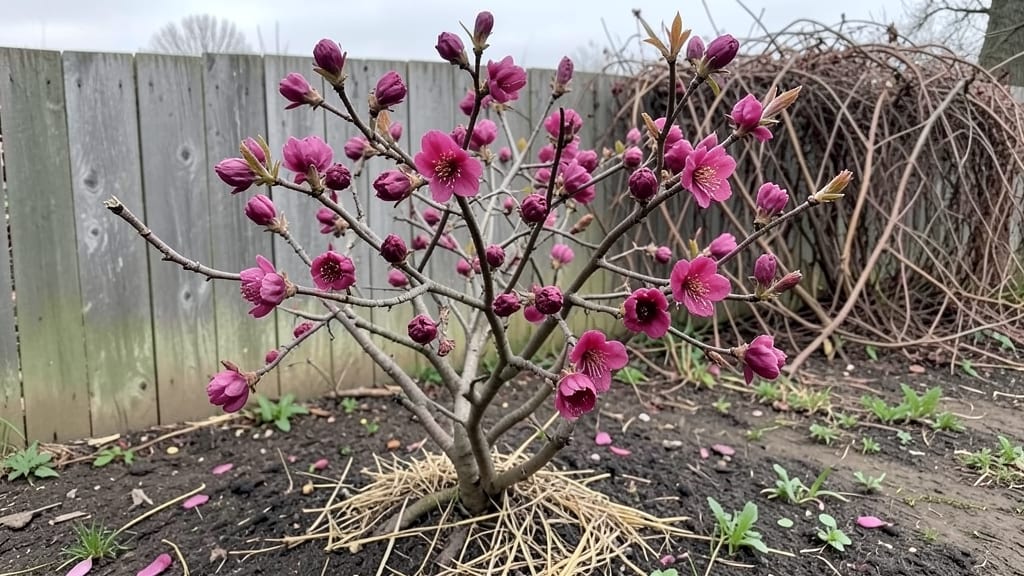
The peach flowering quince delivers bold, fragrant blooms that turn heads in every season—especially when you know how to coax its best growth.
Picture this: winter’s first frost has barely passed when your yard erupts in peach-colored blossoms, their sweet scent cutting through the chill. Yet many gardeners overlook this shrub because they don’t realize how simple it is to grow—or how much it rewards the right care.
In USDA Zone 6a, this hardy shrub thrives with minimal fuss, but the key lies in timing: planting in early spring or fall, pruning at the right moments, and feeding it just enough to fuel those stunning displays.
Skip these steps, and you’ll end up with sparse blooms or leggy growth.
Here’s how to unlock its full potential—from soil prep to pruning secrets—so you can enjoy year-round color with almost no effort.
Peach flowering quince care guide: soil, sunlight, and watering essentials
The peach flowering quince (Chaenomeles speciosa) thrives when you mimic its natural habitat with the right soil composition and light exposure. This hardy shrub rewards you with vibrant winter blooms and minimal maintenance—but only if you meet its basic needs.
Let’s break down the essentials to keep your quince happy and blooming abundantly.
First, soil drainage is critical. Quince roots despise soggy conditions, which can lead to root rot and leaf drop. Amend heavy clay with compost or sand to create a loose, crumbly texture. A slightly acidic to neutral pH (6.0–7.0) ensures optimal nutrient uptake for those fragrant peach blossoms.
| Growing Condition | Ideal Specification | Why It Matters |
|---|---|---|
| Soil Type | Well-draining, loamy | Prevents root rot and encourages strong root growth |
| pH Level | 6.0–7.0 (slightly acidic to neutral) | Optimizes nutrient absorption for blooms and foliage |
| Sunlight Needs | 6+ hours of full sun daily | Maximizes flower production and plant vigor |
| Watering Schedule | Deep watering 1–2x weekly | Encourages deep root growth and drought tolerance |
| Mature Size | 6–12 feet tall, 6–10 feet wide | Plan spacing to avoid overcrowding and competition |
| Best Planting Time | Early spring or fall | Allows roots to establish before extreme temperatures |
For sunlight, aim for 6+ hours of direct sun daily. While quince tolerates partial shade, especially in hot climates, reduced light leads to fewer blooms and leggy growth.
In my Zone 7 garden, I place mine where it gets morning sun and afternoon shade—this balances heat stress while keeping those peach-colored blossoms abundant.
Watering is where many gardeners stumble. Overwatering is the #1 killer of quince, while underwatering stresses the plant. Aim for 1–2 deep waterings per week, soaking the soil 12 inches deep.
In summer, increase to every 5–7 days unless you’ve had recent rain. Always water at the base of the plant, not overhead, to prevent fungal diseases like powdery mildew.
Seasonal adjustments are key. In spring, increase watering as new growth emerges, and apply a balanced fertilizer (10-10-10) to fuel blooms. During summer droughts, mulch with 2–3 inches of organic matter to retain moisture.
In fall, reduce watering but keep soil slightly moist to prep for winter. Winter care is minimal—just protect young plants from freezing winds with burlap wraps if needed.
Watch for leaf drop or sparse flowering, which often signal poor drainage or nutrient deficiencies. If leaves turn yellow, flush the soil with water to check for compacted roots.
For lackluster blooms, prune in late winter to remove dead wood and encourage new growth. My Texas Scarlet quince blooms like crazy now—it’s all about those seasonal tweaks!
Container growing? Use a pot with drainage holes and a fast-draining mix of potting soil and perlite. Water every 3–5 days in summer, as containers dry out faster. Just remember: consistency is key—quince hates moisture swings.
With these soil, sun, and watering essentials
Step-by-step pruning guide for peach flowering quince: when, why, and how
Pruning your peach flowering quince (Chaenomeles speciosa) isn’t just about keeping it tidy—it’s the key to vibrant blooms and healthy growth. Unlike many shrubs, this beauty blooms on old wood, meaning last year’s branches produce this year’s flowers.
Cut too aggressively, and you risk losing those stunning peach-colored blossoms. But with the right timing and techniques, you’ll encourage a denser shrub and prolonged flowering.
I’ve pruned my quince for years, and the difference between a neglected shrub and a showstopper comes down to seasonal timing and strategic cuts.
Whether you’re shaping a new plant or rejuvenating an overgrown one, this guide will walk you through every step—from the tools you’ll need to the exact cuts that keep your quince thriving. Let’s dive into the when, why, and how of pruning this resilient shrub.
- 📅 Late Winter (February-March): Prune right after blooming (or in dormant season) to remove dead, diseased, or crossing branches. Aim to open the center for better airflow and sunlight penetration.
- ✂️ Tools Needed: Use sharp bypass pruners for clean cuts, and loppers for thicker branches. Sterilize tools with rubbing alcohol to prevent bacterial spread.
- 🌱 Summer Pruning (June-July): Lightly trim overly vigorous growth to maintain shape. Avoid heavy cuts—this shrub blooms on old wood, so preserve last year’s branches.
- 🔄 Rejuvenation Pruning (Every 3-5 Years): For overgrown quinces, cut back 1/3 of oldest stems to the ground each year. Rotate cuts to avoid shocking the plant.
- 🎨 Shaping Tips: Prune to create a rounded or vase shape for aesthetic appeal. Remove suckers at the base to direct energy upward.
- ⚠️ Avoid These Mistakes: Never prune after mid-summer—new growth won’t harden before winter. Also, don’t top the plant, as this encourages weak, leggy growth.
When I first started pruning my quince, I made the rookie mistake of cutting back too hard in spring. My shrub barely bloomed that year—a lesson I’ll never forget! The key is to prune lightly in summer and focus on structure in winter.
This approach ensures your quince stays compact, healthy, and blooming from late winter through spring.
For overgrown quinces, rejuvenation pruning is a game-changer. I’ve seen neglected shrubs transformed in just three years by cutting back one-third of the oldest stems each year.
This method stimulates new growth while preserving the plant’s flowering capacity. Just be patient—your quince will reward you with lush foliage and even more blooms.
Pro tip: Always prune on a dry, sunny day to reduce stress on the plant. After cutting, apply a layer of mulch around the base to retain moisture and protect roots. With these techniques, your peach flowering quince will become the star of your garden for years to come. 🌸