
Picking
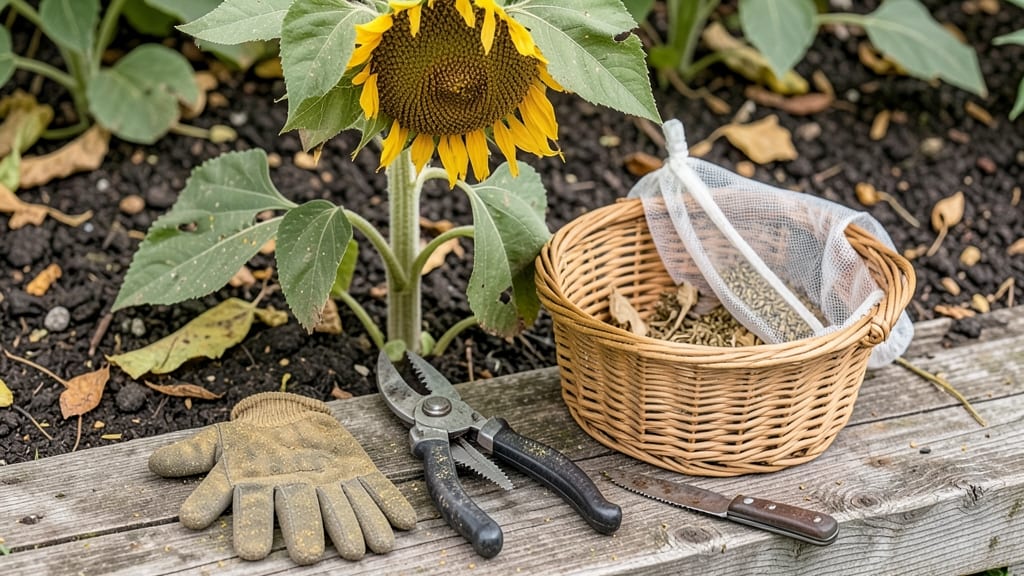
Sunflower seeds are ready to harvest when the back of the flower head turns brown and papery, the petals fall off naturally, and the seeds inside feel plump and firm—usually between July and September in most growing zones.
Picture this: your 🌻 sunflowers have spent months reaching for the sky, and now the moment of truth arrives. One wrong move, and those seeds turn bitter or get snatched by birds.
But with the right timing, you’ll pull a head full of rich, flavorful seeds ready for storage or snacking.
This guide breaks down the three key signs of ripeness—visual cues, seed firmness, and weather timing—so you never miss the harvest window. Whether you’re growing standard or dwarf varieties, these tips ensure you’re picking at peak perfection.
From the "squeeze test" to handling late-season blooms, you’ll learn how to test seeds without guessing and avoid common mistakes that lead to wasted effort. Ready to turn your sunflowers into a harvest goldmine?


3 Visual signs sunflower seeds are ready for harvest
Harvesting sunflower seeds at the right time ensures you get plump, flavorful seeds perfect for planting or snacking. But knowing exactly when to harvest can be tricky—especially when birds and weather threaten your crop.
The key lies in three visual cues that signal your sunflowers are ready. Ignoring these signs often leads to bitter, shriveled seeds or even empty seed heads.
First, let’s address a common mistake: harvesting too early because the petals look wilted. Many gardeners assume drooping petals mean the seeds are ready, but that’s actually a late-stage warning.
By then, seeds may already be overripe or scattered by birds. Understanding the progressive stages of sunflower ripeness will help you act at the perfect moment.
🌻 3 Key Visual Signs Your Sunflower Seeds Are Ready
-
1. Petals Turn Brown and Fall Off
Look for dry, brown petals that detach easily. This signals the plant is redirecting energy to seed maturation. -
2. Back of Seed Head Turns Yellow-Brown
The reverse side of the head should shift from green to a dull yellow-brown. This indicates the seeds are fully developed. -
3. Seed Head "Rattles" When Shaken
Gently shake the head—if seeds move freely inside and make a dry, papery sound, they’re ready for harvest.
Let’s break down the petal transformation first. When sunflowers bloom, their petals start vibrant yellow, but as seeds mature, they fade to brown and begin falling off. This isn’t just cosmetic—it’s a biological cue that the plant is shifting resources to seed production.
If you see more than 50% of petals detached, it’s time to check the seed head’s back.
The color change on the seed head’s reverse side is often overlooked but critical. A fully ripe sunflower’s back will turn from green to yellow-brown, almost like parchment paper.
This color shift happens because the seed coat hardens and moisture content drops. Skipping this step often leads to underdeveloped seeds that won’t sprout well.
Here’s where many gardeners go wrong: they harvest based solely on petal drop, but the seed head’s dryness is the final confirmation. A ripe seed head will feel light and papery—almost hollow when you tap it.
If it’s still firm or damp, wait 3-5 more days. This "squeeze test" is your best defense against premature harvesting, which ruins seed quality.
Another critical mistake? Harvesting seeds from dead or frost-damaged plants. Even if the visual signs match, cold weather can shrink seeds or make them less viable.
Always harvest from healthy, upright plants with no signs of disease. If frost hits before seeds ripen, cover plants with row fabric to buy time.
Timing matters beyond just the signs—morning harvests yield the best seeds because dew reduces moisture content, making seeds easier to dry later. Avoid harvesting after rain, as excess humidity can cause mold or spoilage.
Once you’ve confirmed ripeness, cut the seed head with 2-3 inches of stem and hang it upside-down in a dry, dark place for 2-3 weeks to fully dry.
Finally, don’t assume all sunflowers ripen at once. Taller varieties often mature later than dwarf types, so monitor each plant individually. If you’re growing multiple varieties, label them and check for ripeness separately. This attention to detail ensures you maximize your seed yield without wasting effort on underripe blooms.
Mastering these three visual cues—petal drop, seed head color, and dryness—will transform your sunflower harvest from hit-or-miss to consistently perfect. Next time you’re tempted to harvest early, take a moment to verify these signs. Your future garden (and your snack stash) will thank you! 🌱
How to test sunflower seed ripeness (without guessing)
Determining when sunflower seeds are ready to harvest can feel like guessing—until you know the three foolproof tests that take the guesswork out of it. Overripe seeds become bitter, while underripe ones won’t store well, so timing is everything.
The key lies in physical cues like seed head color, texture, and even how the seeds move inside the flower.
Most gardeners wait until late summer or early fall, but checking daily after blooming ensures you catch the perfect moment. Start by examining the back of the flower head—this is your first clue.
When it turns from green to a dull brown or tan, seeds are nearing maturity. Pair this with the squeeze test, which reveals whether seeds are ready to pick.
⚠️ Warning: Overripe Seeds Ruin Storage
Once the back of the flower head splits open or seeds start falling out naturally, they’ve passed their prime. Harvest 2-3 days before this happens to avoid bitter, shriveled seeds that won’t store well. Birds and squirrels also target overripe heads—act fast!
🐦 Pro Tip: Cover heads with mesh bags if birds are a problem, but remove them before harvest to prevent mold.
The squeeze test is my favorite trick—gently press the seed head with your thumb and forefinger. If the seeds rattle loudly inside and the head feels dry and papery, they’re ready.
A moist or spongy head means wait 3-5 more days. This test works even when the flower is still upright, so don’t rely solely on petal drop.
Seed color is another critical indicator. Mature sunflower seeds should be dark gray or black with white stripes. If they’re still light tan or greenish, they need more time on the plant. Plumpness matters too—press a seed between your fingers.
It should hold its shape but give slightly, like a ripe avocado pit. Shriveled seeds are a red flag.
Stop checking seeds once the petals fall off completely and the head starts to lean or droop. This usually happens 7-10 days after blooming, depending on your climate. Morning harvests are ideal because seeds are driest and firmest after overnight drying.
Avoid harvesting after rain—humidity makes seeds prone to mold during storage.
With these tests, you’ll never second-guess your sunflower harvest again. Timing is everything, but the reward—plump, flavorful seeds ready for roasting or saving—makes the effort worth it. Now grab your pruners and enjoy the harvest! 🌻