
Picking
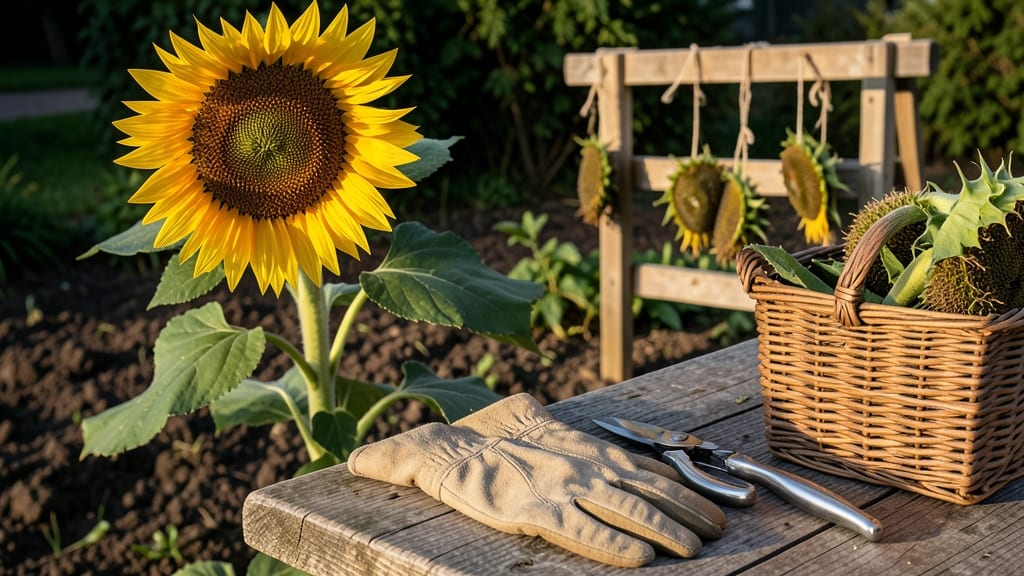
Harvesting sunflowers at the right time means the difference between a handful of seeds and a full garden bucket—and it all comes down to knowing the exact days and cues.
Picture this: you’ve nurtured your 🌻 sunflowers all season, only to cut them too early and end up with shriveled seeds—or wait too long and lose them to frost. The perfect harvest window is narrower than you think, and missing it means throwing away months of work.
Most sunflowers are ready to harvest between 70 and 120 days after planting, but the real secret lies in the flower head’s color, texture, and weight. A fully mature seed head will have dry, papery petals and seeds that rattle when shaken—here’s how to spot it before the birds do.
In this guide, I’ll walk you through the ideal timing, visual cues, and even how to adjust for your USDA Zone 6a frost dates. By the end, you’ll know exactly when to cut for the biggest, most viable seeds—and how to store them for next year’s garden.

How many days until sunflower harvest: exact timing by variety
Knowing exactly when to harvest your sunflowers ensures you get the maximum seed yield and best quality.
Most varieties take between 50 to 120 days from planting to harvest, but the timing varies dramatically based on whether you're growing for confectionery seeds (like those for snacking) or oil production.
Let’s break down the precise harvest windows for the most popular types, including the key visual cues that tell you it’s time to cut.
For confectionery sunflowers (like Mammoth or Autumn Beauty), you’ll want to harvest when the back of the petals turns yellow and begins to dry out. This usually happens around 70 to 90 days after planting, depending on your climate.
The seeds inside should be plump and firm, but not yet gray or shriveled. Overripe seeds lose flavor and quality, so timing is everything.
Oil-type sunflowers, such as Peredovik or Sunrich, follow a slightly different schedule. These varieties are ready for harvest when the seed heads feel heavy and the outer bracts turn brown.
Oil sunflowers typically mature in 80 to 120 days, with the seeds reaching their peak oil content just before they fully dry on the plant. Waiting too long can lead to shattering, where seeds drop prematurely.
Here’s a quick reference guide to help you pinpoint the exact harvest time for your sunflowers, including the most common varieties and their ideal harvest windows:
One of the most reliable ways to check for harvest readiness is the "shake test". Gently shake the seed head—if the seeds inside rattle loudly, they’re ready. If they sound hollow or don’t move, wait a few more days.
For confectionery varieties, the seeds should be white or light tan with a hard shell. If they’ve turned gray or black, they’ve overripe and lost flavor.
Environmental factors also play a role in harvest timing. In cooler climates, sunflowers may take 10 to 15 days longer to mature compared to warm, sunny regions. If frost is on the horizon, harvest before the first frost hits, even if the seeds aren’t fully mature.
You can finish drying them indoors to preserve quality. Use a drying rack in a well-ventilated area for 1 to 2 weeks to complete the process.
For oil-type sunflowers, the goal is to harvest when the seed moisture content drops to around 8-10%. This ensures the seeds are stable for storage and oil extraction.
Use a moisture meter if you’re serious about oil production, or simply press a seed between your fingers—if it feels dry and crumbly, it’s ready. Overripe oil seeds can develop off-flavors and lower oil yields.
If you’re growing sunflowers for cut flowers or decorative purposes, harvest when the flower heads are fully open but before the petals start to brown. This gives you the longest vase life.
For seed production, however, always prioritize the seed maturity over the flower’s appearance. The seed head’s dryness and seed color are your best indicators.
Pro tip:
Critical mistakes that ruin sunflower seed yield (and how to avoid them)
Harvesting sunflowers at the wrong time can turn your seed yield into disappointment. Even experienced gardeners sometimes make costly errors that reduce seed quality or quantity. The key is knowing the exact signs of maturity and avoiding common pitfalls that sneak up during harvest season.
One of the biggest mistakes is harvesting too early when seeds are still immature and green. This happens when gardeners focus on the flower petals instead of the seed head's readiness.
Another frequent error is waiting too long, allowing seeds to turn gray and shatter on the plant, making them unusable for planting or consumption.
Then there's the issue of improper storage after harvest. Many gardeners assume seeds are ready for long-term storage once they're dry, but without proper drying techniques, they can mold or lose viability. These mistakes aren't just about timing—they're about the entire process from cutting to storage.
⚠️ Harvest Time Warning Signs
These 3 critical mistakes destroy sunflower seed quality:
- 🌱 Cutting too early when petals are still vibrant (🌸) and seeds are green
- 🌾 Waiting too long until seeds turn gray and heads become brittle
- 💧 Poor drying conditions leading to moldy or non-viable seeds
Pro Tip: Harvest when back petals turn yellow and seeds rattle inside the head when shaken.
To avoid these pitfalls, always check for seed maturity indicators like dry, papery seed heads and plump seeds that easily shell. A simple test is to shake the head—if seeds rattle, they're ready. Harvest on a dry, sunny day to prevent moisture-related issues during drying.
After cutting, hang heads upside down in a dry, well-ventilated area for 1-2 weeks. This slow drying process preserves seed viability. Once completely dry, remove seeds by rubbing the head or using a fork. Store them in airtight containers in a cool, dark place for up to 3 years.
Even with perfect timing, pests and diseases can ruin your harvest. Regularly inspect plants for signs of bird damage, aphids, or powdery mildew. Use row covers early in the season to protect young plants, and consider neem oil sprays if pests appear during flowering.
By avoiding these common mistakes, you'll transform your sunflower harvest from frustrating guesswork to a reliable source of seeds for next year's garden. The difference between a good yield and a great yield often comes down to these simple but critical steps.